

For over two decades, James Blunt albums have soundtracked heartbreak, healing, and unexpected humor. Although critics once underestimated him, listeners never did. Consequently, his catalog evolved from fragile acoustic confessionals into confident, modern pop statements. Moreover, James Blunt albums reveal an artist unafraid of sincerity, self-mockery, or emotional risk. This journey traces how one songwriter quietly built one of Britain’s most durable careers.
The Man Behind the Name
What is James Blunt’s real name?
James Blunt was born James Hillier Blount, a name tied closely to his military upbringing. However, he shortened it to “Blunt” for clarity and memorability. Additionally, the sharper surname fit his dry wit and understated brand. In 2024, he jokingly promised to rename himself “Blunty McBluntface” if his album reached number one. Although the record peaked at number seven, fans embraced the joke anyway.
Did James Blunt really record in Carrie Fisher’s bathroom?
Yes, and the story remains legendary. While staying with Carrie Fisher in Los Angeles, Blunt discovered her bathroom piano. Because the room offered warm acoustics and privacy, he recorded “Goodbye My Lover” there. As a result, one of pop’s most fragile ballads captured a raw, intimate sound. Moreover, the setting reinforced Blunt’s reputation for emotional honesty.
Was James Blunt in the Army?
Before music, Blunt served as a reconnaissance officer in the Life Guards. During the 1999 Kosovo conflict, he famously refused an order to engage Russian troops. Instead, he chose restraint, potentially preventing escalation. That experience later shaped his song writing perspective. Consequently, his albums often balance vulnerability with quiet strength.
Does James Blunt own a pub?
Yes, he owns The Fox & Pheasant in Chelsea, London. Beyond business, the pub reflects his love for tradition and community. Furthermore, fans frequently spot him pulling pints or chatting casually. The pub mirrors the grounded personality heard throughout his albums.
The Albums
Back to Bedlam (2004)
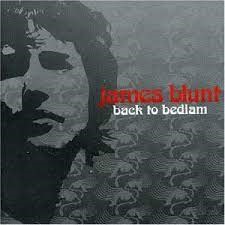
James Blunt albums began explosively with Back to Bedlam. From the opening moments, intimacy drives every song. Consequently, tracks like “You’re Beautiful” and “Goodbye My Lover” dominated global charts. Moreover, acoustic arrangements kept emotions exposed and unguarded. Although critics debated sentimentality, listeners connected deeply. As a result, the album sold over eleven million copies worldwide. Additionally, its stripped production defined Blunt’s early identity. The albums rarely sounded this fragile again. However, this debut established trust between artist and audience.
All the Lost Souls (2007)
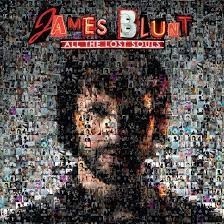
With All the Lost Souls, James Blunt albums expanded sonically and emotionally. Rather than repeat formulas, he leaned into warmer, psychedelic textures. Consequently, songs like “1973” reflected nostalgia instead of heartbreak. Moreover, layered production added confidence without losing sincerity. While fame pressured expectations, Blunt embraced growth. As a result, the album sold millions worldwide. The albums here sounded more assured. Nevertheless, introspection remained central to his songwriting voice.
Some Kind of Trouble (2010)
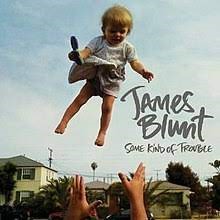
Some Kind of Trouble marked a tonal shift for James Blunt albums. Instead of melancholy, optimism led the charge. Consequently, “Stay the Night” introduced brighter pop‑rock energy. Moreover, upbeat tempos suited radio audiences perfectly. Although long time fans felt surprised, accessibility widened his reach. As a result, the album achieved strong international sales. The albums now embraced fun without apology. Importantly, emotional honesty still anchored the sound.
Moon Landing (2013)
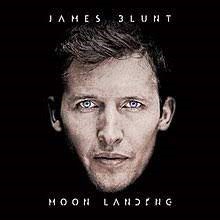
With Moon Landing, James Blunt albums returned inward. Rather than chase trends, he refocused on songwriting clarity. Consequently, “Bonfire Heart” balanced uplift with introspection. Moreover, stripped production echoed his debut’s intimacy. Critics welcomed the renewed restraint. As a result, the album performed strongly worldwide. The albums here sounded reflective yet hopeful. Ultimately, it reaffirmed his emotional core.
The Afterlove (2017)
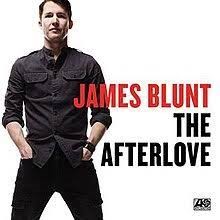
The Afterlove pushed James Blunt albums into modern pop territory. Instead of safe repetition, collaboration drove experimentation. Consequently, co‑writes with Ed Sheeran shaped the sound. Moreover, electronic textures added contemporary polish. While opinions divided fans, bravery defined the project. As a result, Blunt reached new listeners globally. The albums proved adaptable. Still, lyrical vulnerability remained unmistakable.
Once Upon a Mind (2019)

Emotion dominates Once Upon a Mind, one of the most personal James Blunt albums. Rather than mask pain, Blunt confronted it openly. Consequently, “Monsters” devastated listeners worldwide. Moreover, themes of mortality and love felt painfully universal. Critics praised the honesty. As a result, the album earned deep cultural impact. The albums rarely felt this exposed. Importantly, maturity replaced melancholy.
Who We Used to Be (2023)

Who We Used to Be reflects growth across decades of James Blunt albums. Instead of nostalgia alone, balance defines the record. Consequently, dance‑pop tracks coexist with devastating ballads. Moreover, lyrical reflections feel lived‑in and wise. Fans appreciated the emotional range. As a result, the album reinforced his longevity. James Blunt albums here sound confident and complete.
Back to Bedlam (20th Anniversary Edition) (2024)
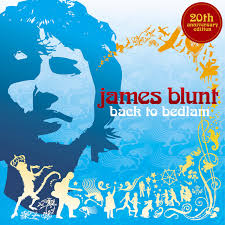
The anniversary release reframed the legacy of James Blunt albums. Rather than simple nostalgia, unreleased demos added depth. Consequently, fans heard the album’s emotional roots clearly. Moreover, remastering enhanced warmth without polish overload. The project celebrated survival, not hype. As a result, Back to Bedlam gained renewed relevance. James Blunt albums came full circle, beautifully.
Over twenty years, James Blunt albums have traced an unexpected arc of honesty, resilience, and reinvention. While trends shifted, his commitment to emotional clarity never wavered. From fragile beginnings to confident maturity, each release added depth to his story. Ultimately, James Blunt albums endure because they balance vulnerability with self-awareness. That rare combination keeps listeners coming back, song after song.