
Jackie Wilson stands as one of the most electrifying performers in the history of popular music. Few artists have combined raw vocal power, acrobatic stage presence, and genuine emotional depth the way he did. His influence cut across genres and generations, shaping the careers of legends who followed in his wake. From the gritty clubs of Detroit to the grand stages of America, Jackie Wilson commanded every room he entered. This article takes you through his complete discography — album by album — so you can understand exactly why this man remains one of the most important figures in soul, R&B, and rock and roll.
What You Need to Know About Jackie Wilson
What was Jackie Wilson’s nickname? Jackie Wilson earned the nickname “Mr. Excitement” — and he wore it honestly. On stage, he was a force of nature. He dropped to splits mid-song, spun across the floor, and commanded audiences with a theatrical energy that felt almost supernatural. Before James Brown became “The Hardest Working Man in Show Business,” Wilson was already setting that standard. The nickname was not marketing — it was simply the truth.
How many octaves did Jackie Wilson’s vocal range span? Jackie Wilson possessed one of the most remarkable voices in popular music history. Vocal coaches and music historians widely credit him with a range spanning over three octaves — an operatic breadth that allowed him to move from tender falsetto whispers to full-throated gospel thunder within a single phrase. He studied classical technique and brought that discipline to pop and R&B, which is precisely what made his delivery so startling. Very few artists in any genre could match that combination of range, control, and raw feeling.
What happened to Jackie Wilson? On 29 September 1975, Jackie Wilson collapsed on stage at the Latin Casino in Cherry Hill, New Jersey, while performing “Lonely Teardrops.” He suffered a massive heart attack mid-song. He fell and struck his head on the stage, causing severe brain damage. Wilson never truly recovered. He remained in a coma — or in a severely diminished vegetative state — for eight years, until his death on 21 January 1984. The tragedy robbed the world of an artist who still had so much left to give, and it remains one of the most heart breaking stories in music history.
Is Jackie Wilson in the Rock and Roll Hall of Fame? Yes. Jackie Wilson was inducted into the Rock and Roll Hall of Fame in 1987, three years after his death. The induction was a long-overdue recognition of his foundational role in shaping American popular music. His influence on soul, R&B, and rock and roll is immeasurable, and the Hall of Fame honour cemented his place among the true immortals of the form.
Jackie Wilson and His Influence on Elvis, James Brown, and Michael Jackson
Google’s algorithms — and music historians — both recognise the importance of entity association. To understand Jackie Wilson, you must understand his gravitational pull on the artists around him.
Elvis Presley openly acknowledged Wilson’s influence. He reportedly called Jackie Wilson “the greatest singer in the world.” Wilson’s stage movement — the splits, the slides, the dramatic physical storytelling — fed directly into the vocabulary Elvis used to scandalise America in the mid-1950s. The hip swivels that made Elvis famous did not appear from nowhere.
James Brown watched Wilson work and reportedly raised his own performance standards in direct response. The competitive energy between the two men pushed both of them further. Brown even stated that Wilson was one of the few performers he considered a genuine rival on stage.
Michael Jackson absorbed Wilson’s legacy completely. The moonwalk, the sudden drops, the spinning footwork — Jackson acknowledged his debt to the performers who came before him, and Wilson sat near the top of that list. Watch Wilson’s 1967 television performances and then watch early Michael Jackson. The lineage is unmistakable.
Jackie Wilson did not merely influence these men. He wrote the rulebook they all studied.




The Golden Era (1950s – 1960s)
He’s So Fine (1958) — Featuring “Reet Petite”
Jackie Wilson‘s debut album announced an extraordinary new voice to the world. Released in 1958, He’s So Fine introduced listeners to an artist who defied easy categorisation. The standout track, “Reet Petite”, became an instant classic — a co-write with Berry Gordy that showcased Wilson’s playful energy and effortless vocal acrobatics. Furthermore, the album demonstrated his remarkable ability to blend gospel fervour with pop accessibility. Jackie Wilson moved through these recordings with a confidence that most debut artists never achieve. The production feels lively and urgent, perfectly framing his dynamic delivery. Moreover, “Reet Petite” would later enjoy an astonishing UK chart resurrection in 1986, reaching number one over 25 years after its original release. Consequently, this album serves as the essential starting point for anyone exploring Wilson’s catalogue. It is not merely a historical artefact — it is a genuinely thrilling listen.
Lonely Teardrops (1959)
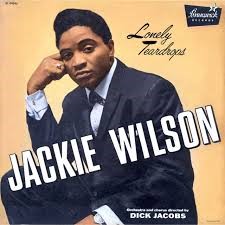
Lonely Teardrops represents one of Jackie Wilson‘s finest early statements. The title track became one of his signature songs, a masterclass in controlled emotional release. Additionally, the album demonstrated his growing sophistication as a recording artist. Berry Gordy’s song writing fingerprints are visible throughout, and the pairing produced something genuinely special. Jackie Wilson brings extraordinary tenderness to the slower numbers, then shifts effortlessly into joyful exuberance on the uptempo tracks. The arrangement work is clean and purposeful, never overshadowing the voice at the centre. Moreover, this record solidified his commercial standing at a time when the R&B landscape was intensely competitive. The emotional authenticity in Wilson’s delivery remains striking decades later. Consequently, Lonely Teardrops stands as a cornerstone of his early catalogue and essential listening for anyone serious about understanding the roots of soul music.
So Much (1959)
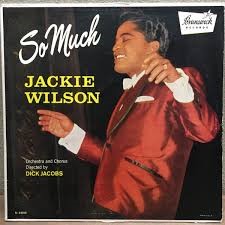
Released the same year as Lonely Teardrops, So Much confirmed that Jackie Wilson was no one-trick artist. This album explored a broader tonal range, blending smooth balladry with driving, uptempo numbers that showcased his vocal athleticism. Furthermore, Wilson’s interpretive instincts shine throughout — he never simply sings a lyric, he inhabits it. The production reflects the era’s pop sensibilities while giving Wilson enough room to breathe and perform. Jackie Wilson brings real joy to the lighter material and genuine ache to the slower pieces. Additionally, the album highlights his extraordinary dynamic control — he could whisper and thunder within the same song without losing coherence. The recording quality captures a voice in peak physical condition, confident and expressive at every turn. Overall, So Much is an underrated entry in his discography that rewards careful listening.
Jackie Sings the Blues (1960)

Jackie Sings the Blues marked a deliberate artistic statement. Jackie Wilson stepped fully into blues territory here, demonstrating that his voice carried the weight and authenticity the genre demands. Furthermore, this album revealed the gospel foundations beneath his pop and R&B recordings. The blues requires emotional honesty above everything else, and Wilson delivers that in abundance. Each track feels deeply personal, even when working with outside material. Jackie Wilson brings a raw, unguarded quality to these performances that distinguishes this record from his earlier, more polished work. Moreover, the arrangements strip things back, allowing the voice to carry more of the expressive burden. Consequently, this album attracts listeners who want to understand Wilson’s deeper musical roots. It remains one of the most revealing records in his catalogue — less showy than some earlier work, but profoundly moving in its restraint and directness.
A Woman, a Lover, a Friend (1960)
With A Woman, a Lover, a Friend, Jackie Wilson delivered one of his most romantic albums. The title track became another significant hit, showcasing his extraordinary ability to communicate intimacy through song. Furthermore, the album reflected the broader cultural appetite for sophisticated R&B that bridged pop and soul. Wilson’s vocal control here is remarkable — he calibrates every phrase with precision. Jackie Wilson understood that great romantic singing requires vulnerability, and he offered that freely throughout these recordings. The arrangements are lush without being overwhelming, providing the perfect backdrop for such expressive performances. Additionally, this album demonstrated his commercial versatility at a time when the music industry rarely allowed Black artists the creative range he consistently demanded. Overall, A Woman, a Lover, a Friend remains a warm, beautifully crafted entry in his discography that holds up remarkably well.
You Ain’t Heard Nothin’ Yet (1961) — An Al Jolson Tribute
You Ain’t Heard Nothin’ Yet stands as one of the more fascinating chapters in Jackie Wilson‘s recording career. This Al Jolson tribute album invited immediate comparisons and controversy, but Wilson’s sheer vocal authority silenced most critics. Furthermore, the project revealed his classical and theatrical ambitions — he was never content to simply repeat himself. Jackie Wilson brings genuine reverence to the Jolson material while stamping each performance with his own unmistakable identity. The album functions as a reminder that Wilson studied the full history of American popular song, not merely its R&B corner. Moreover, the operatic tendencies in his voice find particularly fertile ground here, in material that demands dramatic range and theatrical commitment. Consequently, this record attracts listeners curious about Wilson’s breadth as an interpreter. It is an ambitious, sometimes surprising album that rewards open-minded listening.
By Special Request (1961)
By Special Request captured Jackie Wilson at a moment of peak commercial momentum. The album delivered exactly what audiences wanted — dynamic performances, strong melodic hooks, and that extraordinary voice working at full capacity. Furthermore, Wilson’s interpretive choices throughout demonstrate a maturing artistic sensibility. He understood how to build a song, how to pace emotional release, and how to leave listeners wanting more. Jackie Wilson brought theatrical instincts to every recording, treating the studio like a stage. Additionally, the album’s production reflects the clean, vibrant sound that defined early 1960s R&B at its commercial best. The tracks move with energy and purpose, never overstaying their welcome. Overall, By Special Request is an enjoyable, well-constructed album that showcases Wilson’s gifts without necessarily pushing into new territory — a solid, satisfying entry in his catalogue.
Body and Soul (1962)
Body and Soul represented Jackie Wilson at his most emotionally expansive. This album leaned into the soul and gospel influences that underpinned all his greatest work. Furthermore, the performances here carry an extraordinary sense of commitment — Wilson sounds fully invested in every lyric. The title itself signals intent: this was not casual entertainment, but something deeper and more personal. Jackie Wilson drew on his Detroit church background throughout these recordings, bringing a spiritual intensity to secular material. Moreover, the album’s production gave his voice more space than many earlier records, allowing the emotional texture to breathe. Consequently, Body and Soul is frequently cited by critics as one of his most artistically satisfying early records. Additionally, it marked a gradual shift toward the deeper soul direction that would reach its peak in the late 1960s. This is essential listening for any serious Wilson fan.
Jackie Wilson Sings the World’s Greatest Melodies (1963)
This ambitious album placed Jackie Wilson alongside some of the most celebrated songs in the popular canon. The project demonstrated his conviction that his voice belonged in conversation with the finest material ever written. Furthermore, the performances confirm that conviction entirely — Wilson brings genuine authority to every song he tackles. Jackie Wilson possessed the technical equipment and the emotional intelligence to navigate demanding melodic material without strain. The album also served a strategic purpose: it positioned him as a complete artist rather than simply an R&B hit-maker. Moreover, the operatic dimensions of his voice find natural expression in this type of repertoire. Additionally, the album remains a fascinating document of Wilson’s artistic ambition and his determination to be taken seriously across musical boundaries. Consequently, it rewards listeners willing to meet it on its own sophisticated terms.
Baby Workout (1963)
Baby Workout brought Jackie Wilson back to the dancefloor with tremendous energy. The title track became one of his biggest hits, a rollicking, irresistible piece of uptempo R&B that showcased his rhythmic instincts. Furthermore, the album confirmed his ability to pivot between intimate balladry and full-throttle party music without missing a beat. Jackie Wilson clearly relished the looser, more physical material here — you can hear the joy in every performance. The production crackles with energy, perfectly capturing the excitement of his live shows. Moreover, “Baby Workout” demonstrated that Wilson could generate genuine chart heat across a broad audience. Additionally, the album stands as one of his most purely fun recordings — music designed to move bodies and lift spirits. Consequently, it remains among the most immediately accessible entries in his catalogue, a perfect introduction for new listeners.
Shake a Hand (with Linda Hopkins) (1963)
Shake a Hand gave Jackie Wilson a different kind of creative challenge — a full duet album with gospel and blues powerhouse Linda Hopkins. Furthermore, the pairing proved surprisingly effective, with Hopkins’ raw, churchy delivery providing a striking contrast to Wilson’s more polished style. Jackie Wilson rose to the challenge, pulling back his showier tendencies to create space for genuine musical conversation. The title track, a gospel standard, crackles with communal energy. Moreover, the album demonstrated Wilson’s generosity as a performer — he listened as much as he performed, something not all artists manage in collaborative settings. Additionally, Shake a Hand occupies a unique space in his discography, offering a perspective on his voice that purely solo recordings cannot provide. Consequently, it deserves more attention than it typically receives from casual Wilson listeners.
Somethin’ Else!! (1964)
Somethin’ Else!! found Jackie Wilson consolidating his mid-career strengths with considerable confidence. The album moves through soul, pop, and R&B with the ease of an artist who has fully mastered his craft. Furthermore, Wilson’s vocal performances here reflect a deepening maturity — there is more restraint than in his early work, and that restraint amplifies the emotional impact. Jackie Wilson understood by this point that less can mean more, and he applied that wisdom judiciously. The production is crisp and purposeful, built around his voice rather than competing with it. Moreover, the album contains several performances that stand among the most underrated in his entire catalogue. Additionally, Somethin’ Else!! rewards repeated listening — details emerge on each playthrough that a single listen might miss. Consequently, this record reflects an artist operating with real creative intelligence and a clear artistic vision.
Soul Time (1965)
Soul Time marked a significant moment in Jackie Wilson‘s artistic evolution. The album leaned more deliberately into soul territory, anticipating the direction his career would take in the late 1960s. Furthermore, the performances carry an emotional directness that distinguishes this record from his earlier, more pop-oriented work. Jackie Wilson sounds genuinely engaged throughout — committed to the soul idiom rather than simply visiting it as a commercial strategy. The arrangements reflect the changing landscape of Black American music at that moment, incorporating deeper rhythmic grooves and more gospel-influenced harmonies. Moreover, Wilson’s voice had developed a richer, darker quality by this point — extraordinary depth without losing any of his trademark range. Additionally, Soul Time represents an important bridge between his early commercial success and his later artistic peak. Consequently, serious students of his work should not overlook this transitional album.
Spotlight on Jackie Wilson! (1965)
Spotlight on Jackie Wilson! arrived as a showcase of his considerable talents at the mid-point of his career. Furthermore, the album functioned partly as a best-of-era statement, gathering strong performances across multiple styles. Jackie Wilson brings consistent energy to every track, and the compilation-style approach means the album moves through moods with appealing variety. The record demonstrates how broadly he had defined his artistic identity by 1965 — capable of soul, pop, blues, and gospel without strain. Jackie Wilson never sounded like an artist running out of ideas; instead, he sounded like one with more ideas than any single album could contain. Moreover, the production quality is clean and well-suited to his voice. Consequently, Spotlight on Jackie Wilson! serves as both a strong listening experience and a useful survey of his mid-career range.
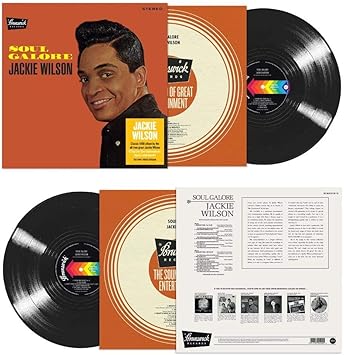
Soul Galore (1966)

Soul Galore delivered on its title with considerable authority. Jackie Wilson pushed further into pure soul territory, producing one of his most cohesive album-length statements. Furthermore, the record reflected the growing artistic ambition of mid-1960s soul music, when artists were beginning to treat the album as a unified artistic statement rather than a collection of singles. Jackie Wilson embraces that ambition fully here. The performances carry real weight and genuine feeling, moving beyond mere technical excellence into something approaching emotional truth. Moreover, the production work supports Wilson without constraining him, creating space for his voice to roam freely. Additionally, Soul Galore contains some of the most satisfying album tracks in his catalogue — deep cuts that reward listeners willing to look beyond the singles. Consequently, this record stands as one of the more underappreciated gems from the middle phase of his career.
Whispers (1966)
Whispers showcased Jackie Wilson‘s extraordinary capacity for tenderness. The album leaned into intimate balladry with remarkable results, proving that his voice could communicate quiet vulnerability just as powerfully as explosive showmanship. Furthermore, “Whispers (Gettin’ Louder)” became one of his defining recordings — a beautifully constructed soul ballad that builds from hushed restraint to full emotional release. Jackie Wilson understood the dramatic architecture of a great ballad completely, and this album gave him space to demonstrate that understanding. The production is warm and careful, never cluttering the space around his voice. Moreover, Whispers reflects a moment when 1960s soul music was developing real artistic sophistication, and Wilson was at the forefront of that development. Additionally, this album remains one of his most emotionally satisfying recordings. Consequently, it rewards close, attentive listening more than almost anything else in his catalogue.
Higher and Higher (1967) — His Most Iconic Soul Transition

(Your Love Keeps Lifting Me) Higher and Higher gave Jackie Wilson his greatest late-career triumph and his most iconic recording. The title track remains one of the most joyful songs ever committed to tape — an irresistible blast of uplifting soul energy that has never aged. Furthermore, this album marked a critical creative turning point: producer Carl Davis brought a tighter, more modern Chicago soul sound that transformed Wilson’s commercial fortunes. Jackie Wilson responded to that creative challenge with some of the most inspired singing of his career. The rhythm section swings with extraordinary precision, while Wilson soars above it with effortless authority. Moreover, “Higher and Higher” reached number one on the R&B charts and crossed over successfully to pop audiences. Additionally, the album’s influence on subsequent soul and gospel-influenced pop is enormous. Consequently, this record is the essential Jackie Wilson album — the place every new listener should begin.
The Mature Years (Late 1960s – 1970s)
Manufacturers of Soul (with Count Basie) (1968)
Manufacturers of Soul brought Jackie Wilson together with jazz royalty Count Basie, and the results were genuinely electric. Furthermore, the collaboration demonstrated Wilson’s ability to hold his own in the most sophisticated musical company. Jackie Wilson brought his characteristic energy and emotional directness to Basie’s swinging arrangements, and the combination produced something neither artist could have achieved alone. The album navigates jazz, soul, and pop territory with elegant ease. Moreover, Basie’s orchestra provided Wilson with the grandest instrumental backdrop of his recording career, and he rose to the occasion magnificently. Additionally, this project revealed the jazz sensibility that had always informed Wilson’s phrasing — he understood swing at a deep, intuitive level. Consequently, Manufacturers of Soul stands as one of the most musically ambitious projects of his career and an essential document for fans of both artists.
I Get the Sweetest Feeling (1968)
I Get the Sweetest Feeling delivered another enduring classic in its title track. Jackie Wilson brought extraordinary warmth to these recordings, and the result remains one of his most beloved albums. Furthermore, the title song became one of his signature recordings — a beautifully melodic soul number that captures his voice at its most naturally expressive. Jackie Wilson sounds completely at home throughout these sessions, relaxed and confident in a way that the most polished performers achieve only at their creative peak. The production is elegant and spacious, perfectly framing his voice. Moreover, the album demonstrates his remarkable consistency as a recording artist — even outside his biggest commercial moments, he maintained an exceptional artistic standard. Additionally, “I Get the Sweetest Feeling” enjoyed significant UK chart success years after its original release. Consequently, this album holds a warm place in the hearts of Wilson’s most devoted listeners.
Do Your Thing (1969)
Do Your Thing found Jackie Wilson engaging directly with the musical and cultural currents reshaping America at the close of the 1960s. The album reflected the era’s funkier, more politically conscious soul landscape. Furthermore, Wilson adapted without abandoning the qualities that defined his voice — the warmth, the range, the theatrical intelligence. Jackie Wilson approached contemporary material with the same serious commitment he brought to everything. The rhythmic emphasis is heavier than in his earlier work, reflecting the influence of James Brown and the emerging funk movement. Moreover, the album demonstrated Wilson’s continued artistic relevance at a moment when many of his contemporaries were struggling to adapt. Additionally, Do Your Thing reveals an artist listening carefully to what was happening around him and responding thoughtfully. Consequently, this record offers a fascinating window into Jackie Wilson at a moment of genuine creative flexibility.
This Love Is Real (1970)
This Love Is Real delivered one of Jackie Wilson‘s warmest and most emotionally satisfying albums of the 1970s. Furthermore, the record demonstrated that his voice had lost none of its remarkable power or expressive range as the new decade began. Jackie Wilson approached these sessions with evident conviction, bringing genuine feeling to every performance. The production reflected early 1970s soul sensibilities — slightly more layered than his 1960s work, but never cluttered. Moreover, Wilson’s ability to communicate romantic sincerity remained utterly intact; he remained one of the most persuasive vocal storytellers in soul music. Additionally, this album contains several deeply satisfying performances that casual Wilson listeners might easily overlook in favour of his more celebrated recordings. Consequently, This Love Is Real rewards discovery — it is a generous, beautifully performed record from an artist who never stopped caring about the quality of his work.
You Got Me Walkin’ (1971)
You Got Me Walkin’ captured Jackie Wilson navigating the shifting landscape of early 1970s soul with characteristic resilience. Furthermore, the album reflected the era’s increasingly complex production aesthetic while keeping Wilson’s voice firmly at the centre of the sound. Jackie Wilson moved through these recordings with the seasoned authority of an artist who had spent fifteen years mastering his craft. The performances are confident and emotionally grounded, never straining after contemporary relevance but achieving it naturally. Moreover, Wilson’s remarkable vocal consistency across such a long recording career remains genuinely impressive. Additionally, You Got Me Walkin’ contains moments of real beauty — understated tracks that reward patient listening. The album does not announce itself loudly, but it delivers consistent quality throughout. Consequently, this record represents Jackie Wilson doing what he always did best: singing with total commitment and making it sound effortless.
Beautiful Day (1973)
Beautiful Day found Jackie Wilson in reflective mood, delivering one of his gentlest and most warmly melodic albums. Furthermore, the record explored a somewhat softer sound than some of his earlier work, leaning into smooth soul territory with considerable grace. Jackie Wilson brings real tenderness to these performances, demonstrating the full range of emotional registers his voice could inhabit. The production is clean and radio-friendly, reflecting the commercial soul landscape of the early 1970s. Moreover, Wilson’s voice remained in remarkable condition — the warmth and range that defined his earlier recordings were entirely intact. Additionally, Beautiful Day stands as a quietly satisfying record that rewards listeners in search of something more introspective than his big arena moments. Consequently, this album occupies a gentle but worthwhile space in his discography, offering proof of his enduring artistry well into the second decade of his recording career.
Nobody But You (1976) — His Final Studio Work
Nobody But You stands as Jackie Wilson‘s final studio album, and it carries the particular poignancy of an ending that nobody involved could have anticipated. Furthermore, Wilson brought genuine commitment to these sessions, sounding in no way like an artist winding down. Jackie Wilson performs throughout with warmth, skill, and evident joy — a testament to his enduring love for the craft. The production reflects mid-1970s soul conventions, but Wilson’s voice rises above the era’s stylistic habits with characteristic authority. Moreover, this album serves as a bittersweet farewell — within months of its release, he would suffer the heart attack that ended his performing life. Additionally, Nobody But You deserves more attention than it typically receives, precisely because it captures Jackie Wilson in the final fully healthy chapter of an extraordinary career. Consequently, this record carries deep emotional resonance for anyone who loves his work.
A Legacy That Never Fades
Jackie Wilson left this world in January 1984, but his music has never stopped working. He shaped the vocabulary of movement that Elvis borrowed, the performance standards that James Brown matched, and the theatrical instincts that Michael Jackson perfected. His voice — that extraordinary, three-octave instrument — remains one of the most powerful ever recorded in popular music. His discography spans nearly two decades of consistent, passionate, often brilliant work across soul, R&B, blues, pop, and jazz. The albums collected here represent an artist who never mailed it in, never stopped caring, and never stopped pushing. Whether you begin with the joy of “Higher and Higher”, the tenderness of Whispers, or the raw energy of Baby Workout, you will find an artist who gives everything, every single time. Jackie Wilson was, without question, one of the greatest who ever lived.