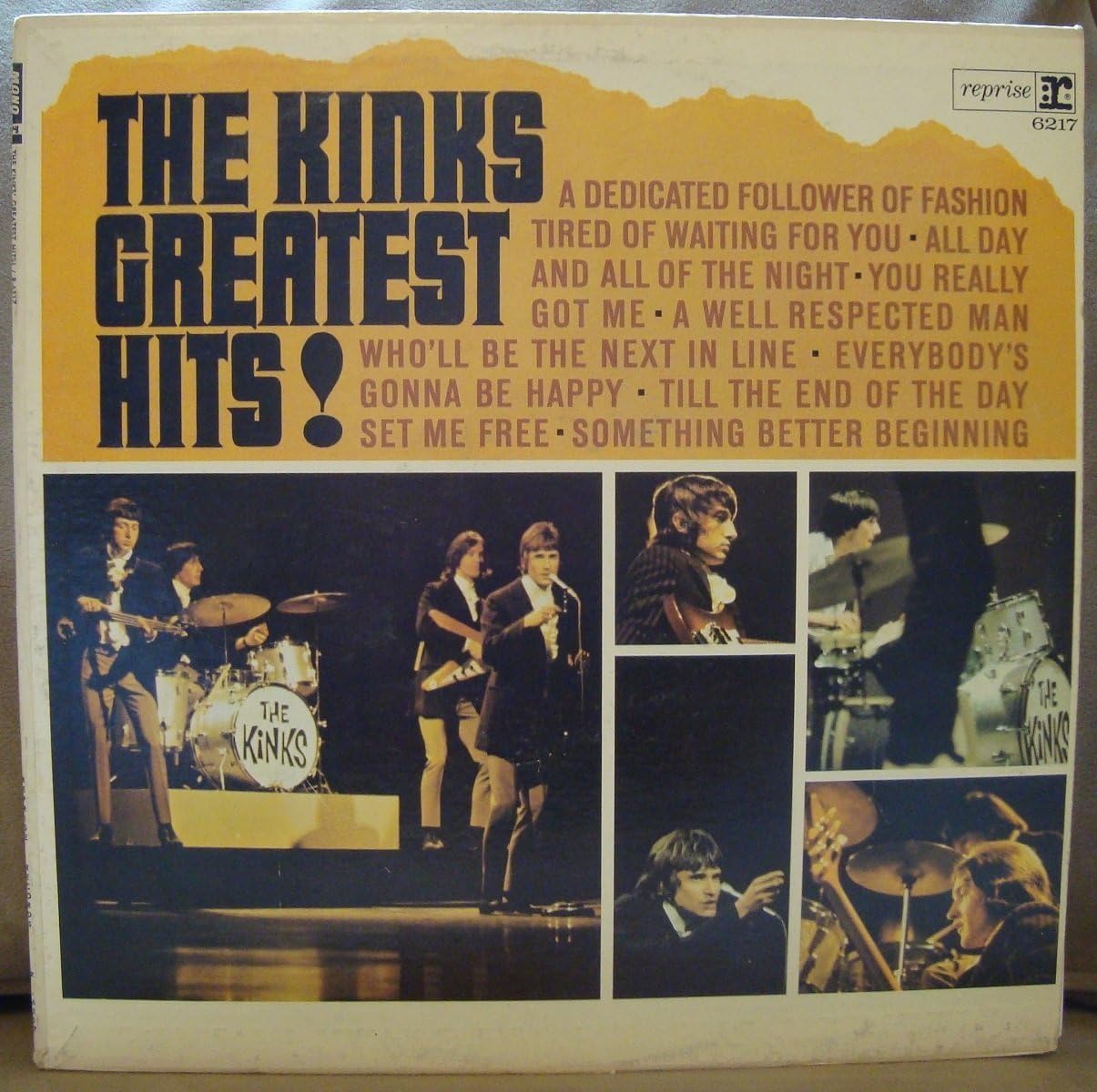

Few bands shaped British music like The Kinks. From gritty R&B beginnings to sharp social commentary, their catalogue tells a uniquely English story. Moreover, Ray Davies’ observational song writing helped define what later became Britpop. Bands like Blur and Oasis borrowed heavily from his wit and melodic instincts.
This guide to The Kinks albums reviewed explores their evolution across distinct eras. While early releases capture raw energy, later albums reveal ambition, satire, and theatrical flair. Throughout this journey, The Kinks albums reviewed highlights the records that built their lasting influence.
Most Asked Questions About The Kinks
Why did The Kinks break up?
Tensions between brothers Ray and Dave Davies drove much of the band’s internal conflict. Although their creative chemistry produced brilliant music, it also sparked frequent arguments and physical fights. Over time, these clashes became harder to manage. Furthermore, shifting musical trends and declining commercial momentum added pressure. By the 1990s, the band struggled to maintain cohesion. Ultimately, their volatile relationship made long-term collaboration unsustainable.
Why were The Kinks banned from the US?
During their 1965 American tour, the band gained a reputation for disruptive behaviour. As a result, the American Federation of Musicians denied them performance permits. Consequently, The Kinks lost access to the lucrative US market for four years. This ban significantly impacted their global momentum. However, it also forced them to focus on British themes, which later defined their signature sound.
Who is the “Godfather of Britpop”?
Ray Davies earns this title due to his sharp, distinctly British song writing style. His lyrics often explored everyday life, class, and culture in England. Therefore, bands like Blur, Oasis, and Pulp drew direct inspiration from his work. His influence shaped Britpop’s identity long before the genre emerged.
Is “Lola” about a real person?
Ray Davies based “Lola” on a real encounter involving the band’s manager. However, he crafted the story with deliberate ambiguity. As a result, the song sparked discussion and intrigue upon release. Its narrative remains one of the most talked-about in rock history.
The Albums
The Early Years (British Beat & R&B)
Kinks (1964)
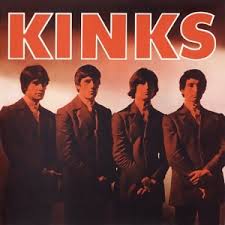
The debut album captures a band still discovering its identity. Nevertheless, its raw energy set the stage for future innovation. Tracks lean heavily on R&B influences, while distorted guitar tones hint at something new. Although inconsistent, the record delivers urgency and attitude. In The Kinks albums reviewed, this debut marks the foundation of their evolving sound.
Kinda Kinks (1965)
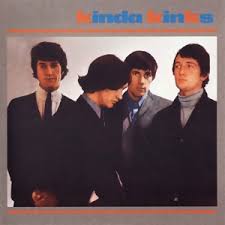
This follow-up shows noticeable growth in song writing. While still rooted in beat music, it introduces more melodic depth. Additionally, Ray Davies begins refining his lyrical voice. Songs feel more structured, yet retain youthful charm. Within The Kinks albums reviewed, it signals a transition toward sophistication.
The Kink Kontroversy (1965)
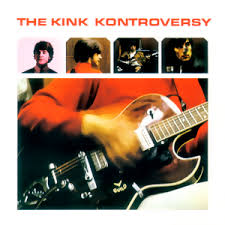
Here, the band edges closer to its signature style. Importantly, Davies explores character-driven storytelling. Meanwhile, the music balances aggression with emerging pop sensibilities. This album bridges early rawness and later refinement. Therefore, The Kinks albums reviewed positions it as a crucial turning point.
The Golden Era (Social Commentary & Baroque Pop)
Face to Face (1966)
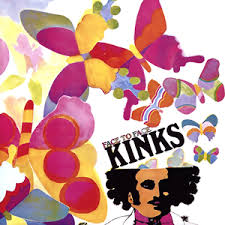
This album marks a creative breakthrough for the band. Notably, Ray Davies shifts focus toward social observation and character studies. As a result, the songs feel more personal and distinctly British. Tracks like “Sunny Afternoon” blend satire with infectious melodies. Moreover, the arrangements introduce subtle baroque pop elements.
Throughout The Kinks albums reviewed, this record stands as the first cohesive artistic statement. Davies crafts narratives that reflect everyday life with humour and insight. Meanwhile, the band refines its musical restraint, allowing lyrics to take centre stage.
Additionally, production choices create a warmer, more intimate sound. This shift moves The Kinks away from raw R&B roots. Instead, they embrace a uniquely English identity. Consequently, the album influences countless future artists.
Importantly, The Kinks albums reviewed highlights how Face to Face establishes the blueprint for their golden era. It balances accessibility with deeper themes. Therefore, it remains essential listening for understanding their evolution.
Something Else by The Kinks (1967)
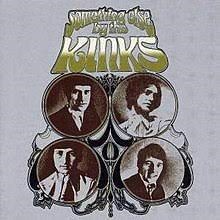
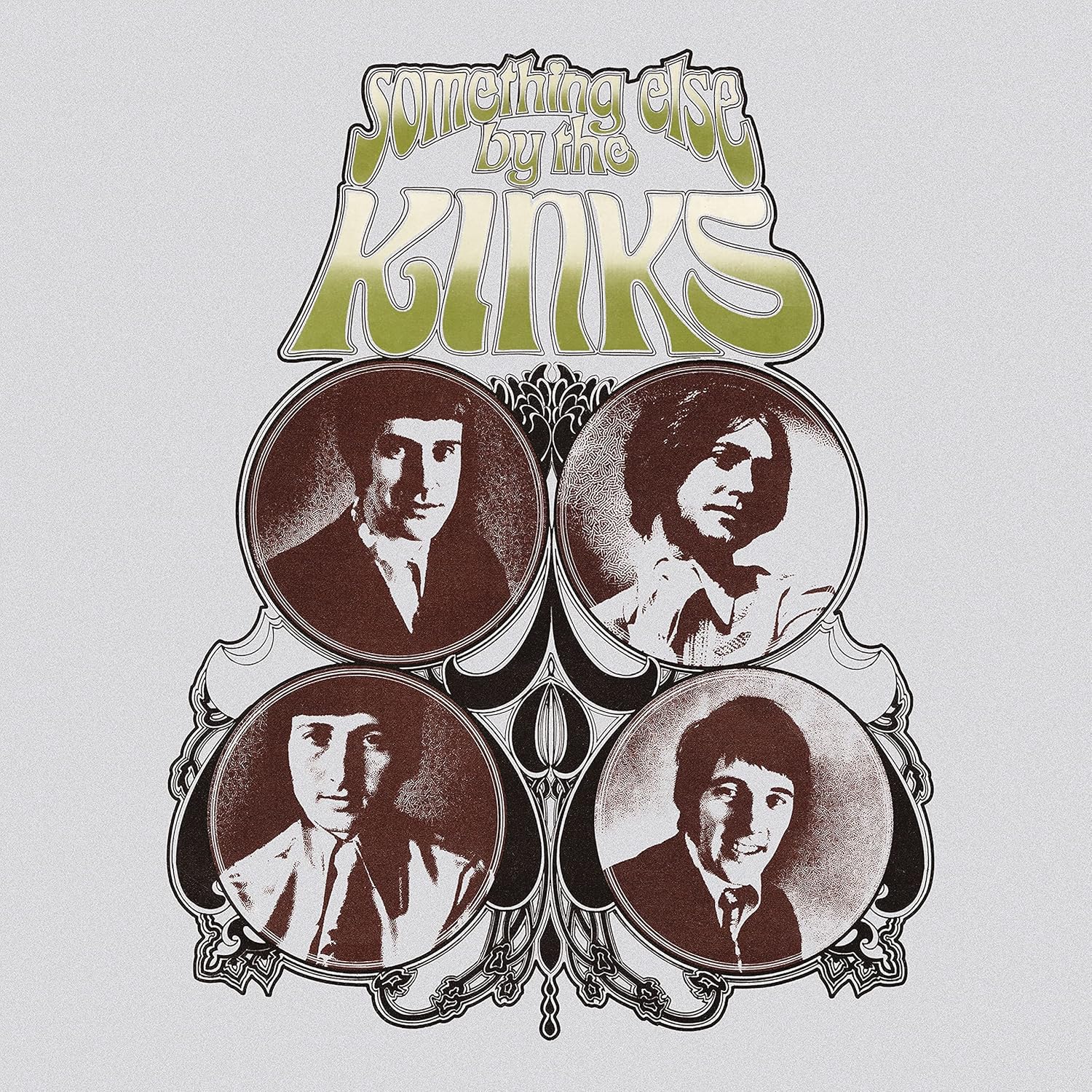
This album showcases The Kinks at their most charming and melodic. With tracks like “Waterloo Sunset,” the band reaches new emotional depth. Furthermore, Ray Davies perfects his storytelling approach. Each song paints vivid scenes of everyday British life.
Within The Kinks albums reviewed, this release stands out for its consistency. The song writing feels effortless, yet carefully crafted. Meanwhile, the arrangements incorporate subtle orchestration without overwhelming the core sound.
Additionally, themes of nostalgia and observation run throughout the album. These elements create a timeless quality that resonates across generations. Although not a major commercial success initially, its reputation has grown steadily.
Importantly, The Kinks albums reviewed recognises this album as a fan favourite. It blends accessibility with artistic ambition. Therefore, it remains a cornerstone of their catalogue.

The Kinks Are the Village Green Preservation Society (1968)
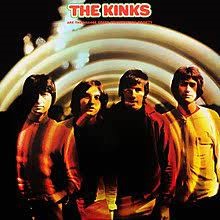
This album celebrates English culture with warmth and irony. Rather than chasing trends, The Kinks embrace nostalgia and tradition. Consequently, the record feels deeply personal and unique.
In The Kinks albums reviewed, this release represents artistic confidence. Ray Davies crafts songs that honour simple pleasures and fading customs. Meanwhile, the music supports these themes with gentle, melodic arrangements.
Although it struggled commercially at release, its influence has grown significantly. Many critics now consider it among their finest works. Furthermore, its themes resonate strongly in modern retrospectives of British identity.
Importantly, The Kinks albums reviewed highlights its lasting legacy. It captures a moment in time while remaining universally relatable. Therefore, it stands as one of their most beloved albums.
Arthur (Or the Decline and Fall of the British Empire) (1969)
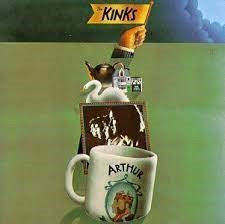
This ambitious concept album tells the story of a working-class man. Through Arthur’s life, Ray Davies explores post-war Britain. As a result, the album delivers both personal and political commentary.
Within The Kinks albums reviewed, this release stands out for its narrative scope. Songs like “Victoria” balance energy with historical reflection. Meanwhile, quieter moments add emotional depth.
Additionally, the band expands its musical palette. The arrangements feel richer, yet remain focused. This balance strengthens the storytelling throughout the album.
Importantly, The Kinks albums reviewed presents Arthur as a defining achievement. It combines concept-driven ambition with strong song writing. Therefore, it remains essential to their legacy.
Lola Versus Powerman and the Moneygoround, Part One (1970)
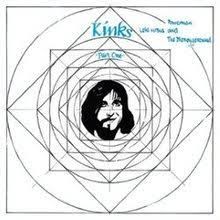
This album delivers sharp commentary on the music industry. At the same time, it offers some of The Kinks’ most accessible songs. “Lola” became a major hit, showcasing their storytelling flair.
In The Kinks albums reviewed, this record balances satire with commercial appeal. Ray Davies critiques fame, contracts, and industry pressures. Meanwhile, the band maintains a playful tone.
Additionally, the song writing feels concise and engaging. Each track contributes to the album’s overarching theme. This cohesion strengthens its impact.
Importantly, The Kinks albums reviewed highlights its dual success. It connects with mainstream audiences while retaining artistic depth. Therefore, it stands as one of their most enduring releases.
Percy (1971)
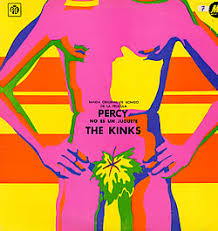
This soundtrack album offers a lighter, more experimental approach. While less cohesive, it includes several strong melodies. Additionally, it reflects the band’s willingness to explore new formats. In The Kinks albums reviewed, it remains an interesting, if uneven, entry.
The RCA Years (Theatrical & Concept Albums)
Muswell Hillbillies (1971)
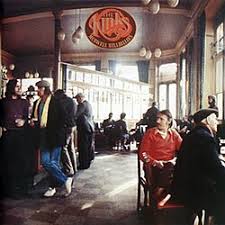
This album marks a return to roots with an American twist. The band blends country, blues, and rock influences seamlessly. Moreover, Ray Davies explores themes of displacement and identity.
In The Kinks albums reviewed, this record stands out for its warmth and character. The songs feel grounded, yet adventurous. Meanwhile, the production captures a loose, organic sound.
Additionally, the album reflects changing times in Britain. Davies examines urban life with humour and honesty. This perspective adds depth to the music.
Importantly, The Kinks albums reviewed recognises it as a fan favourite. It bridges past influences with new directions. Therefore, it remains a key part of their evolution.
Everybody’s in Show-Biz (1972)
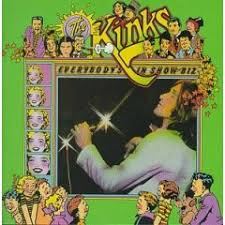
This double album mixes studio tracks with live recordings. While ambitious, it lacks the focus of earlier works. However, it captures the band’s stage energy effectively. In The Kinks albums reviewed, it reflects a transitional phase.
Preservation Act 1 & 2 (1973–1974)
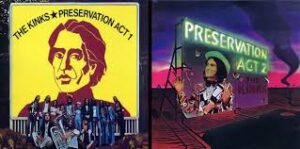
These albums expand theatrical storytelling to new extremes. Although creative, they divide opinion among listeners. Furthermore, their complexity limits accessibility. Within The Kinks albums reviewed, they represent bold experimentation.
Soap Opera (1975)
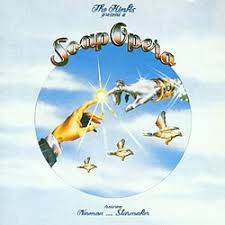
This concept album explores identity through narrative and performance. While inventive, it leans heavily on theatrical elements. Consequently, it appeals more to dedicated fans. In The Kinks albums reviewed, it showcases ambition over accessibility.
Schoolboys in Disgrace (1975)
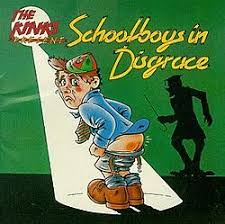
This release continues theatrical themes with a tighter focus. Although still conceptual, it feels more cohesive. Therefore, it serves as a bridge toward a new direction. In The Kinks albums reviewed, it closes this era effectively.
The Arista Era (Arena Rock & US Success)
Sleepwalker (1977)
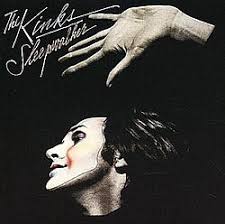
This album marks a return to straightforward rock. The band simplifies its sound while maintaining strong song writing. As a result, it reconnects with broader audiences. In The Kinks albums reviewed, it signals a fresh start.
Misfits (1978)
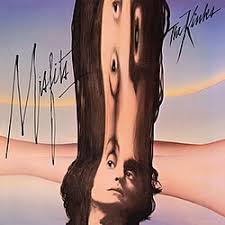
Here, the band refines its accessible approach. Songs focus on themes of alienation and change. Meanwhile, the production feels polished and direct. In The Kinks albums reviewed, it builds momentum for commercial success.
Low Budget (1979)
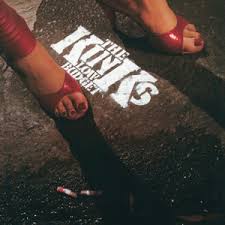
This album delivers the band’s biggest US breakthrough. Its sound leans into arena rock with confident energy. Moreover, its themes reflect economic struggles of the time.
In The Kinks albums reviewed, this record stands out for its commercial impact. The song writing remains sharp, despite a more direct style. Meanwhile, the production enhances its radio appeal.
Importantly, The Kinks albums reviewed highlights its success in expanding their audience. It balances relevance with accessibility. Therefore, it remains a defining moment in their later career.
Give the People What They Want (1981)
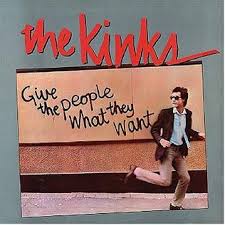
This album continues their commercial momentum. While heavier in tone, it delivers strong hooks. Additionally, it reflects early 1980s rock trends. In The Kinks albums reviewed, it maintains their relevance.
State of Confusion (1983)
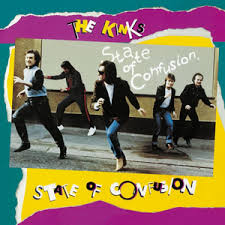
This album features the hit “Come Dancing,” which revitalised their popularity. The band blends nostalgia with modern production. Moreover, the song writing feels both reflective and energetic.
In The Kinks albums reviewed, this release stands out for its broad appeal. It connects older themes with contemporary sounds. Meanwhile, the production supports its commercial success.
Importantly, The Kinks albums reviewed positions it as a late-career highlight. It reinforces their enduring influence. Therefore, it remains a key album from this era.
Word of Mouth (1984)
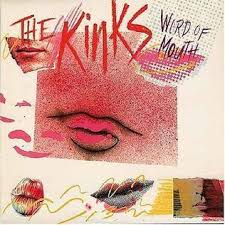
This album continues their 1980s sound, though with less impact. While solid, it lacks standout moments. Nevertheless, it maintains their established style. In The Kinks albums reviewed, it marks a gradual decline.
The Final Studio Years
Think Visual (1986)
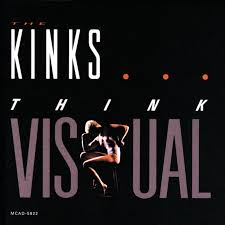
This release shows a band adjusting to changing trends. Although competent, it struggles to stand out. However, it retains moments of charm. In The Kinks albums reviewed, it reflects a challenging period.
UK Jive (1989)
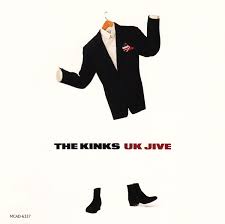
Here, the band experiments with contemporary sounds. While uneven, it demonstrates continued creativity. Additionally, some tracks capture their classic spirit. In The Kinks albums reviewed, it remains a mixed effort.
Phobia (1993)
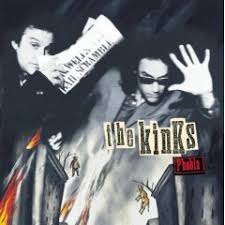
The final studio album closes their journey with reflection. While not widely celebrated, it offers glimpses of their enduring talent. Moreover, it captures a band looking back on its legacy.
In The Kinks albums reviewed, this release represents a quiet farewell. The song writing feels introspective and measured. Meanwhile, the production aligns with its era.
Importantly, The Kinks albums reviewed frames it as a closing chapter. It may lack earlier brilliance, yet it completes their story. Therefore, it holds value for dedicated fans.
The Kinks built a catalogue that shaped British music for decades. From raw beginnings to conceptual ambition, their evolution remains remarkable. This journey through The Kinks albums reviewed highlights their creativity and influence.
Ultimately, Ray Davies’ song writing defines their legacy. His voice continues to echo through generations of artists. Therefore, The Kinks remain true godfathers of Britpop.