
Few bands balance melody and consistency like Teenage Fanclub. Across decades, Teenage Fanclub built a catalogue rooted in harmony, warmth, and sharp songwriting. While trends shifted, Teenage Fanclub stayed true to their jangle pop identity.
Below, we explore their albums in chronological order, highlighting key moments and evolution.
Most Asked Questions About Teenage Fanclub
Why did Gerard Love leave Teenage Fanclub?
Gerard Love left Teenage Fanclub in 2018 due to reluctance around extensive international touring commitments.
What is Teenage Fanclub’s most famous song?
“The Concept” and “Sparky’s Dream” remain the most recognised Teenage Fanclub tracks among fans and critics.
Is Teenage Fanclub Britpop?
Teenage Fanclub emerged during the Britpop era. However, critics usually classify Teenage Fanclub as power pop or jangle pop.
Who are the current members of Teenage Fanclub?
The core includes Norman Blake and Raymond McGinley, alongside Francis Macdonald, Dave McGowan, and Euros Childs.
A Catholic Education (1990)
Teenage Fanclub launched their career with raw intent on A Catholic Education. From the outset, Teenage Fanclub leaned into distortion and melodic structure. While the production feels rough, the songwriting already shows promise.
Moreover, the album blends noise rock with early jangle pop ideas. “Everything Flows” stands out, signalling the band’s melodic instincts. Although critics initially offered mixed reactions, listeners later embraced its energy.
Additionally, Teenage Fanclub channel influences like Dinosaur Jr. and Sonic Youth. However, they inject more warmth into their sound. As a result, the album feels less abrasive than peers.
Furthermore, this debut sets the foundation for future releases. Even though refinement comes later, the identity forms here. Teenage Fanclub clearly prioritise melody over chaos.
Ultimately, A Catholic Education captures a band finding direction. While not polished, it remains essential for understanding Teenage Fanclub’s evolution.
The King (1991)
The King arrived as a quick follow-up, yet it feels more like a stopgap release. Nevertheless, Teenage Fanclub experiment with covers and looser arrangements here. Consequently, the album divides opinion among fans.
“For example,” their take on “Like a Virgin” shows a playful edge. However, the execution feels less focused than other Teenage Fanclub work. Still, the band maintains their melodic instincts throughout.
In addition, this album highlights their willingness to explore different tones. While consistency dips, creativity remains evident. Therefore, listeners gain insight into Teenage Fanclub’s range.
Moreover, The King reflects a transitional phase. The band refine their direction shortly after this release. As a result, it acts as a bridge to stronger material.
Although not essential, it adds context to the Teenage Fanclub catalogue. Dedicated fans will still find moments worth revisiting.
Bandwagonesque (1991)
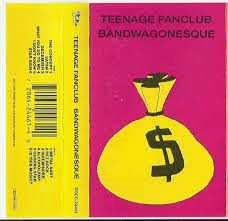
Teenage Fanclub reached a major breakthrough with Bandwagonesque. Right away, Teenage Fanclub deliver sharper songwriting and clearer production. Consequently, the album gained strong critical acclaim.
“The Concept” defines the record’s appeal. Its melodic flow and emotional tone resonate widely. Moreover, critics often compare Teenage Fanclub to Big Star. That comparison strengthens their credibility.
Additionally, the album balances power pop and alternative rock seamlessly. Each track reinforces their knack for harmony-driven music. Therefore, it stands as a defining moment for Teenage Fanclub.
Furthermore, Bandwagonesque performed well internationally. It helped the band break into the American market. As a result, Teenage Fanclub secured a lasting global audience.
Even today, many fans consider this their strongest release. It captures everything that makes Teenage Fanclub special.
Thirteen (1993)
Following success, Teenage Fanclub took a more experimental turn with Thirteen. Although expectations ran high, Teenage Fanclub delivered a more uneven record. Still, strong moments remain throughout.
“Radio” highlights their continued melodic strength. However, the album stretches ideas across longer tracks. Consequently, pacing sometimes feels inconsistent.
Moreover, Teenage Fanclub expand their sound with varied production choices. While ambition grows, cohesion weakens slightly. Therefore, critics offered mixed responses.
In contrast, fans still appreciate its deeper cuts. The album rewards repeated listens despite its flaws. Additionally, it reflects a band willing to take risks.
Ultimately, Thirteen shows Teenage Fanclub navigating success. While not their most focused work, it adds depth to their catalogue.
Grand Prix (1995)

Teenage Fanclub returned to form with Grand Prix. From the first track, Teenage Fanclub deliver confident songwriting and tight arrangements. As a result, the album earns widespread praise.
“Sparky’s Dream” captures their signature sound perfectly. Bright melodies combine with heartfelt lyrics. Moreover, each band member contributes strong material.
Additionally, the album flows with consistency and clarity. Unlike Thirteen, every track feels purposeful. Therefore, critics ranked it among the best Teenage Fanclub releases.
Furthermore, Grand Prix strengthened their UK presence during the Britpop era. While bands like Oasis dominated headlines, Teenage Fanclub carved their own lane.
Even now, many fans revisit this album regularly. It remains a high point in the Teenage Fanclub discography.


Songs From Northern Britain (1997)

Teenage Fanclub shifted toward a warmer sound on Songs From Northern Britain. Immediately, Teenage Fanclub embraced cleaner production and softer tones. Consequently, the album feels more reflective.
“Ain’t That Enough” showcases their melodic clarity. Harmonies take centre stage throughout the record. Moreover, the influence of The Byrds becomes more apparent.
Additionally, the album explores themes of place and identity. This approach adds emotional depth to the songwriting. Therefore, critics praised its maturity.
Furthermore, Teenage Fanclub refined their collaborative approach. Each member contributes evenly, creating a balanced feel. As a result, the album maintains consistency.
While it lacks the edge of earlier work, it offers lasting charm. Many fans consider it one of the most cohesive Teenage Fanclub releases.
Howdy! (2000)
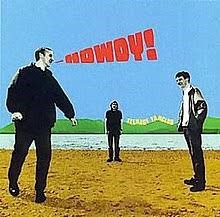
Teenage Fanclub continued their melodic focus with Howdy!. From the outset, Teenage Fanclub deliver relaxed and confident songwriting. Consequently, the album feels easygoing yet polished.
“I Need Direction” stands out with its upbeat energy. However, the overall tone remains understated. Moreover, the band prioritises harmony over experimentation.
Additionally, Howdy! reflects their established identity. While innovation slows, quality remains high. Therefore, fans appreciate its consistency.
Furthermore, the album fits comfortably within their catalogue. It does not aim to redefine their sound. Instead, Teenage Fanclub refine what they already do well.
Although it receives less attention, it holds up over time. It reinforces the band’s reputation for reliable songwriting.
Words of Wisdom and Hope (2002)
Teenage Fanclub collaborated with Jad Fair on this release. As a result, Words of Wisdom and Hope offers a different dynamic. Teenage Fanclub adapt their sound to suit the collaboration.
“Near You” highlights the blend of styles. However, the album leans toward lo-fi simplicity. Consequently, it feels less polished than other releases.
Moreover, the collaboration encourages experimentation. While not every track lands, creativity remains strong. Therefore, it appeals to dedicated fans.
Additionally, Teenage Fanclub maintain their melodic core throughout. Even with changes, their identity stays intact.
Although it sits outside the main catalogue, it still matters. It shows Teenage Fanclub exploring new creative partnerships.
Man-Made (2005)
Teenage Fanclub embraced a cleaner production style on Man-Made. Right away, Teenage Fanclub present a refined and modern sound. Consequently, the album feels more contemporary.
“It’s All in My Mind” demonstrates their melodic precision. Moreover, the songwriting feels concise and focused. Therefore, critics responded positively.
Additionally, the band avoids overcomplicating arrangements. Each track serves the overall flow. As a result, the album maintains strong cohesion.
Furthermore, Man-Made marks a subtle evolution. Teenage Fanclub update their sound without losing identity. This balance works effectively.
Although not their most famous release, it holds strong quality. Fans often revisit it for its clarity and consistency.
Shadows (2010)
Teenage Fanclub returned after a long gap with Shadows. Immediately, Teenage Fanclub deliver familiar warmth and melodic charm. Consequently, the album feels reassuring.
“Baby Lee” captures their classic sound. However, the pace remains relaxed throughout. Moreover, the band focuses on comfort rather than risk.
Additionally, Shadows reflects maturity in songwriting. Themes feel more reflective and understated. Therefore, longtime fans connect with it.
Furthermore, the album avoids dramatic shifts. Instead, Teenage Fanclub refine their established approach. This consistency appeals to loyal listeners.
While it lacks standout hits, it offers steady quality. It proves Teenage Fanclub remain reliable songwriters.
Here (2016)

Teenage Fanclub delivered a strong late-career release with Here. From the start, Teenage Fanclub sound refreshed and focused. Consequently, the album earned positive reviews.
“I’m in Love” highlights their enduring melodic strength. Moreover, the songwriting feels confident and sincere. Therefore, it resonates with both old and new fans.
Additionally, Here balances nostalgia with modern clarity. The band avoids sounding dated. Instead, Teenage Fanclub evolve naturally.
Furthermore, this album marks the end of an era before lineup changes. It captures the band at a stable point. As a result, it holds emotional weight.
Many consider it one of their best later releases. It reinforces the lasting appeal of Teenage Fanclub.
Endless Arcade (2021)
Teenage Fanclub entered a new phase with Endless Arcade. Following lineup changes, Teenage Fanclub adapted their sound carefully. Consequently, the album feels both familiar and different.
“Home” reflects their continued melodic focus. However, the absence of Gerard Love changes the dynamic. Moreover, songwriting contributions shift noticeably.
Additionally, the album maintains their signature warmth. Despite changes, Teenage Fanclub stay true to their identity. Therefore, fans welcomed the release.
Furthermore, Endless Arcade introduces a softer tone overall. It leans into reflection rather than energy. As a result, it feels more introspective.
While different, it still fits their catalogue. It shows Teenage Fanclub moving forward confidently.
Nothing Lasts Forever (2023)
Teenage Fanclub continued their evolution with Nothing Lasts Forever. From the outset, Teenage Fanclub embrace a reflective tone. Consequently, the album feels mature and thoughtful.
“Foreign Land” highlights their melodic consistency. Moreover, the songwriting remains strong despite lineup changes. Therefore, the album holds up well.
Additionally, the band focuses on simplicity and clarity. This approach suits their style perfectly. As a result, the album feels cohesive.
Furthermore, Nothing Lasts Forever builds on their new era sound. It avoids drastic changes while maintaining quality. Teenage Fanclub show resilience here.
Although it lacks early-era impact, it still satisfies fans. It proves their songwriting strength endures.
The Gerard Love Factor: Classic vs New Era
Gerard Love played a crucial role in shaping Teenage Fanclub’s identity. His songwriting added balance alongside Norman Blake and Raymond McGinley. Therefore, many fans view the pre-2018 period as the “classic era.”
However, Teenage Fanclub continue to produce strong work without him. The “new era” albums lean toward a softer, more reflective tone. Consequently, the dynamic feels different but still authentic.
While some fans prefer the earlier years, others appreciate the evolution. This contrast often sparks debate among listeners. Ultimately, both eras contribute to the lasting legacy of Teenage Fanclub.
Teenage Fanclub remain one of the most consistent bands in alternative rock. Their catalogue rewards listeners who value melody, honesty, and timeless songwriting.