

Oasis defined a generation and helped shape the sound of 1990s Britpop. Emerging from Manchester, the band blended attitude, melody, and sharp song writing into a formula that reached millions. Moreover, their rivalry, confidence, and chart dominance kept them constantly in the spotlight. As a result, Oasis became one of the most talked-about bands in modern British music history.
This guide, The Masterplan: Oasis albums reviewed, breaks down every major release in order. Additionally, it highlights the evolution of their sound and song writing. While trends changed, Oasis stayed committed to big choruses and direct lyrics. Therefore, their catalogue still attracts new listeners today.
Most Asked Questions About Oasis
Are Oasis touring in 2026?
Currently, Liam Gallagher stated the band plans to take 2026 off, with possible activity in 2027.
What is the best Oasis album?
Fans often debate this. However, most discussions focus on Definitely Maybe and (What’s the Story) Morning Glory?.
Why did Oasis split up at Rock en Seine?
The band ended after a backstage argument in 2009, reportedly involving a broken guitar.
Will there be a new Oasis album?
Rumours continue, especially after the 2025 reunion, but nothing official has been confirmed.
How many albums did Oasis release?
Oasis released seven studio albums.
Definitely Maybe (1994)

“Definitely Maybe” launched Oasis with confidence and urgency. From the start, the album captured the spirit of working-class ambition. Moreover, it introduced a sound built on loud guitars and memorable hooks. As a result, listeners quickly connected with its direct style.
Within this debut, Oasis created a blueprint for Britpop success. Tracks like “Live Forever” gave the album emotional depth. Meanwhile, the production kept everything raw and immediate. Therefore, the music felt authentic and accessible.
When considering Oasis albums reviewed, this release often ranks at the top. It set the tone for everything that followed. Furthermore, it showed Noel Gallagher’s ability to write simple but effective songs. Each track carried a sense of purpose.
Critics praised its energy, while fans embraced its honesty. Consequently, the album became the fastest-selling debut in UK history at the time. In discussions of Oasis albums reviewed, it still stands as a defining moment. Ultimately, “Definitely Maybe” remains essential for understanding the band’s rise and lasting appeal.
(What’s the Story) Morning Glory? (1995)

Oasis expanded their reach with (What’s the Story) Morning Glory?. This album refined their sound and broadened their audience. As a result, it became one of the best-selling albums in UK history.
The song writing feels more polished compared to the debut. However, it still retains the band’s core identity. Songs like “Wonderwall” and “Don’t Look Back in Anger” became global anthems. Therefore, the album crossed into mainstream success worldwide.
When exploring Oasis albums reviewed, this release often competes for the top position. It balances emotion and accessibility with strong melodies. Additionally, Liam Gallagher’s vocals bring clarity and confidence to each track.
The album also benefits from tighter production. Consequently, the sound feels more controlled without losing energy. Fans appreciated the shift, while critics recognised its impact.
Across Oasis albums reviewed, this record represents their commercial peak. It shaped Britpop and influenced future artists. Even today, it remains a key reference point for British rock music.
Be Here Now (1997)
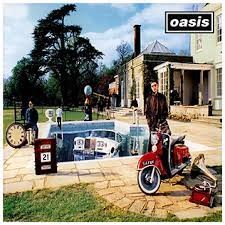
“Be Here Now” arrived with massive expectations. Following two successful albums, anticipation reached extreme levels. As a result, the release became a major cultural event.
The album leans heavily into a bigger and louder sound. Songs stretch longer, while production feels dense. However, this approach divided listeners and critics. Some admired the ambition, while others criticised the excess.
Within Oasis albums reviewed, this record stands out for its scale. It captures the band at their most confident. Additionally, it reflects the peak of Britpop’s popularity.
Tracks like “D’You Know What I Mean?” highlight the album’s intensity. Meanwhile, the song writing still delivers strong hooks. Therefore, fans found plenty to enjoy despite mixed reactions.
Over time, opinions have softened. Many listeners now appreciate its bold direction. In discussions of Oasis albums reviewed, it often sparks debate. Ultimately, “Be Here Now” represents both success and overreach in equal measure.
The Masterplan (1998)
“The Masterplan” occupies a unique place in the Oasis catalogue. Although it is a B-side compilation, many fans treat it like a full album. Moreover, its quality rivals the band’s main releases.
The collection showcases the depth of Noel Gallagher’s song writing. Several tracks could have easily appeared on studio albums. Therefore, it feels like a hidden gem within their discography.
When analysing Oasis albums reviewed, this release often earns special recognition. It highlights consistency across the band’s output. Additionally, it proves that strong material extended beyond singles.
Songs carry emotional weight and melodic strength. Consequently, the album stands on its own merits. Fans often rank it alongside the main studio releases.
Across Oasis albums reviewed, “The Masterplan” represents overlooked brilliance. It fills gaps between major albums while maintaining high standards. Ultimately, it reinforces the band’s reputation for strong song writing.
Standing on the Shoulder of Giants (2000)
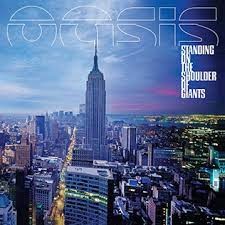
This album marked a shift for Oasis. Line-up changes influenced both sound and direction. As a result, the band experimented more than before.
“Standing on the Shoulder of Giants” introduces darker tones and new textures. Tracks like “Go Let It Out” show this evolution clearly. Meanwhile, the production leans toward a more modern style.
Within Oasis albums reviewed, this release reflects a transitional phase. It moves away from classic Britpop elements. However, it still retains core song writing strengths.
The album received mixed reactions. Some fans welcomed the change, while others preferred earlier sounds. Nevertheless, it demonstrates a willingness to adapt.
Across Oasis albums reviewed, this record shows growth and risk-taking. It may not match earlier highs, but it adds variety. Ultimately, it plays an important role in the band’s development.
Heathen Chemistry (2002)

“Heathen Chemistry” saw Oasis return to a more familiar sound. After experimentation, the band refocused on direct song writing. As a result, the album feels more balanced.
Tracks like “Stop Crying Your Heart Out” highlight emotional depth. Meanwhile, other songs bring back the classic Oasis energy. Therefore, the album appeals to a wide audience.
In Oasis albums reviewed, this release often sits in the middle rankings. However, it still delivers strong moments. Additionally, band members contributed more to song writing.
The production remains clean and accessible. Consequently, the album avoids the excess of earlier work. Fans appreciated this more controlled approach.
Across Oasis albums reviewed, “Heathen Chemistry” represents stability. It may not redefine their sound, but it reinforces their strengths. Ultimately, it keeps the band relevant during a changing music landscape.
Don’t Believe the Truth (2005)
Oasis regained momentum with “Don’t Believe the Truth”. The band embraced collaboration and fresh ideas. As a result, the album feels more cohesive.
Songs like “The Importance of Being Idle” show strong song writing. Meanwhile, the overall tone feels confident and focused. Therefore, critics responded more positively.
Within Oasis albums reviewed, this release marks a late-career highlight. It blends classic elements with subtle evolution. Additionally, each band member contributes creatively.
The production supports clarity and structure. Consequently, the album avoids previous pitfalls. Fans welcomed this return to form.
Across Oasis albums reviewed, it stands as a reminder of their enduring appeal. It proves the band could still deliver quality work. Ultimately, it strengthens their legacy in the 2000s.
Dig Out Your Soul (2008)
“Dig Out Your Soul” serves as Oasis’s final studio album. The band explored psychedelic influences and layered sounds. As a result, the album feels different from earlier releases.
Tracks like “The Shock of the Lightning” capture renewed energy. Meanwhile, other songs experiment with rhythm and mood. Therefore, the album offers variety.
In Oasis albums reviewed, this release often divides opinion. Some appreciate its ambition, while others prefer a simpler approach. However, it shows a band still evolving.
The production emphasises atmosphere and depth. Consequently, the sound feels more expansive. Fans found new elements to explore.
Across Oasis albums reviewed, this album closes the catalogue on an experimental note. It highlights creativity during their final phase. Ultimately, it stands as a fitting conclusion to their studio journey.
Oasis left behind a catalogue that continues to shape British music. From raw beginnings to experimental endings, their journey shows constant evolution. Moreover, each album adds a different layer to their story.
This guide, The Masterplan: Oasis albums reviewed, highlights both peaks and transitions. While opinions differ, their influence remains clear. Therefore, their music still resonates with new generations.
Whether you prefer early energy or later experimentation, Oasis offers something lasting. In the end, their legacy goes beyond charts and headlines—it lives in the songs.