

Few bands shaped modern music like Earth, Wind & Fire. Their fusion of funk, soul, R&B, jazz, and pop created a sound that still influences artists today. Moreover, their albums show a clear evolution, blending strong musicianship with commercial appeal. This guide explores every studio release, giving you a complete view of their legacy while answering the key questions fans still ask.
How many studio albums did Earth, Wind & Fire release?
Earth, Wind & Fire released 21 studio albums between 1971 and 2014. Their debut arrived in 1971, while Holiday marked their most recent studio effort. Over time, the group also released many live albums and compilations. However, the studio catalogue remains the core of their artistic identity. Each release reflects a shift in sound, from early jazz influences to polished funk and later contemporary R&B styles.
What is considered the best Earth, Wind & Fire album?
Critics often highlight That’s the Way of the World (1975) and All ’n All (1977) as the strongest Earth, Wind & Fire albums. Both records combine commercial success with creative depth. Furthermore, they define the band’s signature sound, blending tight rhythms, rich harmonies, and uplifting themes. While fans debate the top spot, these albums consistently rank highest in reviews and retrospectives.
Who founded Earth, Wind & Fire?
The band was founded by Maurice White in Chicago in 1969. He shaped the group’s musical direction and spiritual identity from the start. Additionally, his vision combined African rhythms, jazz structures, and soul energy. As a result, Earth, Wind & Fire developed a unique sound that stood apart from other acts of the era.
Are Earth, Wind & Fire still touring in 2026?
Yes, Earth, Wind & Fire continues to tour and perform globally. Key members like Verdine White, Philip Bailey, and Ralph Johnson still lead the line up. Even today, the band often shares stages with other legendary soul and funk artists. Their live shows remain popular, proving their music still connects with audiences across generations.
The Albums
Earth, Wind & Fire (1971)
Earth, Wind & Fire introduced their sound with a debut that blends soul, jazz, and funk. From the start, Earth, Wind & Fire showed ambition and musical depth. Moreover, the album leans heavily on jazz structures and experimental arrangements. While it lacks later polish, it reveals the group’s creative direction clearly.
Listeners hear complex rhythms, layered horns, and socially aware themes throughout the record. In addition, Earth, Wind & Fire uses this album to establish identity rather than chase chart success. The production feels raw, yet the musicianship stands out immediately. Consequently, the debut attracts listeners who value early funk evolution.
Although mainstream success came later, this release laid the groundwork for future classics. Furthermore, Earth, Wind & Fire began building a loyal audience with this record. The album remains important for understanding their artistic roots. Overall, it offers insight into how the band developed its signature groove and sound.
The Need of Love (1971)
Earth, Wind & Fire quickly followed their debut with a more refined second album. This time, Earth, Wind & Fire focused on smoother arrangements and stronger melodies. As a result, the music feels more accessible while keeping its experimental edge.
The album leans into soulful grooves, extended compositions, and emotional vocals. Additionally, Earth, Wind & Fire began shaping a more cohesive sound across tracks. The production improves, giving each instrument more clarity and presence. Consequently, the band moves closer to their later commercial style.
While it did not achieve major chart success, the album remains an important step forward. Moreover, Earth, Wind & Fire strengthened their song writing approach during this period. The balance between jazz influence and soul appeal becomes more defined.
Overall, this release shows clear growth and direction. Therefore, it stands as a key transitional album in the Earth, Wind & Fire discography.
Last Days and Time (1972)
With this third release, Earth, Wind & Fire began moving toward a tighter and more focused sound. Notably, Earth, Wind & Fire introduced stronger grooves and clearer song structures. As a result, the album feels more cohesive than earlier efforts.
The band blends funk rhythms with soulful melodies and polished horn sections. In addition, Earth, Wind & Fire delivers more direct and engaging performances. The production quality improves, allowing each musical layer to shine. Consequently, the album appeals to a broader audience.
Themes of change and reflection appear throughout the record. Furthermore, Earth, Wind & Fire uses these ideas to connect emotionally with listeners. The song writing shows greater confidence and clarity.
Overall, this album marks a turning point. Therefore, it signals the beginning of Earth, Wind & Fire’s rise toward mainstream success.
Head to the Sky (1973)
Earth, Wind & Fire reached new heights with this breakthrough album. From the opening moments, Earth, Wind & Fire delivers a more polished and confident sound. Moreover, the production quality improves significantly compared to earlier releases.
The album combines uplifting themes with strong melodies and tight arrangements. Additionally, Earth, Wind & Fire refined their signature blend of funk and soul. The vocals stand out, supported by rich harmonies and dynamic instrumentation. Consequently, the record gained wider recognition.
Listeners responded to its positive tone and accessible sound. Furthermore, Earth, Wind & Fire began attracting mainstream attention with this release. The album balances musical complexity with commercial appeal effectively.
Overall, this project marks a major step forward. Therefore, it helped establish Earth, Wind & Fire as a rising force in the music industry.
Open Our Eyes (1974)
Earth, Wind & Fire continued their upward momentum with a confident and energetic release. This time, Earth, Wind & Fire delivered stronger grooves and sharper song writing. As a result, the album feels both focused and engaging.
The band expands its sound with layered instrumentation and tight rhythm sections. In addition, Earth, Wind & Fire blends funk, soul, and jazz influences seamlessly. The production highlights their growing confidence and musical unity. Consequently, the album resonates with a wider audience.
Themes of awareness and positivity run throughout the record. Moreover, Earth, Wind & Fire connects these ideas with catchy and memorable compositions. The balance between message and melody stands out clearly.
Overall, this album strengthens their position in the industry. Therefore, it set the stage for their most successful period.
That’s the Way of the World (1975)
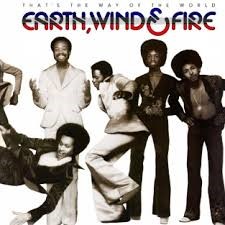
Earth, Wind & Fire reached a creative peak with this defining album. From the start, Earth, Wind & Fire combines polished production with strong song writing. Moreover, the record delivers both commercial success and critical acclaim.
The album features smooth grooves, uplifting themes, and memorable melodies. Additionally, Earth, Wind & Fire perfected their blend of funk, soul, and R&B here. The arrangements feel tight, while the vocals remain powerful and clear. Consequently, the album connected with a global audience.
Listeners embraced its positive message and accessible sound. Furthermore, Earth, Wind & Fire secured their place among top artists of the decade. The record continues to influence modern music styles.
Overall, this album stands as one of their most important works. Therefore, it remains essential in any Earth, Wind & Fire album review.
Spirit (1976)
Earth, Wind & Fire followed their breakthrough with a focused and emotional release. Notably, Earth, Wind & Fire infused this album with deeper themes and spiritual elements. As a result, the record carries a more reflective tone.
The band maintains strong grooves while adding richer harmonies and layered textures. In addition, Earth, Wind & Fire delivers confident performances throughout the album. The production remains polished, supporting the emotional depth of the songs. Consequently, the album resonated strongly with fans.
Themes of loss and renewal appear across the record. Moreover, Earth, Wind & Fire channels these ideas into powerful musical moments. The song writing feels personal yet widely relatable.
Overall, this album continues their strong run. Therefore, it reinforces Earth, Wind & Fire’s reputation for consistency and quality.
All ’n All (1977)
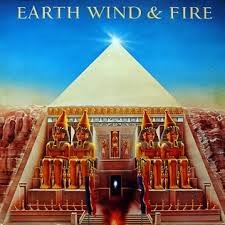
Earth, Wind & Fire expanded their sound with this ambitious and globally inspired album. From the outset, Earth, Wind & Fire incorporates diverse influences into their music. Moreover, the production reaches a new level of sophistication.
The album blends funk, soul, and world music elements seamlessly. Additionally, Earth, Wind & Fire creates a rich and layered listening experience. The arrangements feel detailed, while the rhythms remain engaging. Consequently, the album achieved both critical and commercial success.
Listeners praised its creativity and musical range. Furthermore, Earth, Wind & Fire strengthened their global appeal with this release. The album continues to rank among their best works.
Overall, this project highlights their artistic growth. Therefore, it remains a key album in the Earth, Wind & Fire discography.
I Am (1979)
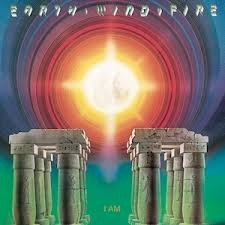
Earth, Wind & Fire embraced a more polished and modern sound with this release. Notably, Earth, Wind & Fire incorporated disco influences into their music. As a result, the album achieved strong commercial success.
The record features tight grooves, catchy melodies, and refined production. In addition, Earth, Wind & Fire maintained their signature musical identity. The vocals remain strong, supported by clean and vibrant instrumentation. Consequently, the album appealed to a wide audience.
Listeners connected with its accessible style and energetic sound. Furthermore, Earth, Wind & Fire continued dominating charts during this period. The album reflects the trends of its time while staying authentic.
Overall, this release represents a successful evolution. Therefore, it stands as a major entry in the Earth, Wind & Fire catalogue.
Faces (1980)
Earth, Wind & Fire explored a broader musical range with this double album. From the beginning, Earth, Wind & Fire experimented with different styles and ideas. Moreover, the project shows ambition and creative freedom.
The album includes a mix of funk, ballads, and mid-tempo tracks. Additionally, Earth, Wind & Fire demonstrates versatility across its extended runtime. The production remains polished, though the length creates a varied experience. Consequently, listener opinions differ on its consistency.
Despite mixed reactions, the album contains strong moments and solid performances. Furthermore, Earth, Wind & Fire continued pushing their musical boundaries here. The project reflects a willingness to evolve.
Overall, this release highlights experimentation. Therefore, it remains an interesting chapter in their discography.
Raise! (1981)
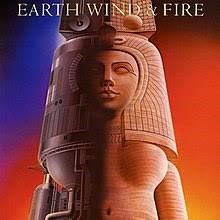
Earth, Wind & Fire returned with a focused and energetic album. This time, Earth, Wind & Fire delivered a more streamlined and accessible sound. As a result, the album achieved strong commercial success.
The record features polished production and upbeat rhythms. In addition, Earth, Wind & Fire balanced modern influences with their signature style. The songs feel tight, catchy, and radio-friendly. Consequently, the album connected with a broad audience.
Listeners appreciated its energy and consistency. Furthermore, Earth, Wind & Fire maintained relevance during a changing musical era. The album stands out as a strong early 1980s release.
Overall, this project reinforces their adaptability. Therefore, it remains a key album in the Earth, Wind & Fire timeline.
Powerlight (1983)
Earth, Wind & Fire continued evolving with a modern and polished sound. Notably, Earth, Wind & Fire embraced early 1980s production techniques here. As a result, the album reflects contemporary trends.
The record features smooth grooves and refined arrangements. In addition, Earth, Wind & Fire maintained strong musicianship throughout. The production feels clean, though slightly more commercial. Consequently, the album appealed to mainstream listeners.
While it lacks the depth of earlier releases, it remains consistent. Furthermore, Earth, Wind & Fire proved their ability to adapt. The song writing still delivers memorable moments.
Overall, this album shows a shift toward modern styles. Therefore, it remains a solid entry in their catalogue.
Electric Universe (1983)
Earth, Wind & Fire experimented with electronic sounds on this release. From the outset, Earth, Wind & Fire moved away from their traditional style. Moreover, the album reflects the influence of synth-driven music.
The record features digital production and new sonic textures. In addition, Earth, Wind & Fire took creative risks with their sound. However, the shift divided fans and critics. Consequently, the album received mixed reactions.
Despite this, the band showed willingness to innovate. Furthermore, Earth, Wind & Fire explored new directions during a changing era. The album stands as a bold experiment.
Overall, this release highlights their adaptability. Therefore, it remains a unique entry in the Earth, Wind & Fire discography.
Touch the World (1987)
Earth, Wind & Fire returned after a break with a refreshed sound. This time, Earth, Wind & Fire blended classic elements with modern production. As a result, the album marked a strong comeback.
The record features polished arrangements and strong vocals. In addition, Earth, Wind & Fire reconnected with their core musical identity. The production balances contemporary trends with familiar grooves. Consequently, the album appealed to long time fans.
Listeners welcomed the return of their signature style. Furthermore, Earth, Wind & Fire regained momentum during this period. The album shows renewed focus and energy.
Overall, this project represents a successful return. Therefore, it remains an important part of their later career.
Heritage (1990)
Earth, Wind & Fire explored collaboration and modern influences on this album. Notably, Earth, Wind & Fire worked with various artists to shape the sound. As a result, the record feels diverse and contemporary.
The album blends R&B, funk, and pop elements. In addition, Earth, Wind & Fire maintained strong musical foundations. The production reflects the early 1990s style clearly. Consequently, the album connects with that era’s audience.
While it lacks major hits, it shows artistic effort. Furthermore, Earth, Wind & Fire continued evolving with the industry. The song writing remains consistent and polished.
Overall, this release highlights collaboration. Therefore, it adds depth to the Earth, Wind & Fire discography.
Millennium (1993)
Earth, Wind & Fire delivered a smooth and modern R&B album with this release. From the start, Earth, Wind & Fire embraced contemporary production styles. Moreover, the record targets a new generation of listeners.
The album features polished vocals and clean arrangements. In addition, Earth, Wind & Fire maintained their signature harmonies. The production feels refined and consistent. Consequently, the album fits well within early 1990s R&B trends.
Although it did not dominate charts, it remains a solid effort. Furthermore, Earth, Wind & Fire showed adaptability in a changing market. The song writing focuses on melody and structure.
Overall, this album reflects their continued relevance. Therefore, it remains a respectable entry in their catalogue.
In the Name of Love (1997)
Earth, Wind & Fire returned with a polished and mature sound. This time, Earth, Wind & Fire focused on strong song writing and production quality. As a result, the album feels cohesive and refined.
The record blends classic elements with contemporary R&B influences. In addition, Earth, Wind & Fire delivered consistent performances throughout. The production remains smooth and accessible. Consequently, the album appeals to long time fans.
While it did not achieve major commercial success, it holds value. Furthermore, Earth, Wind & Fire maintained their identity across decades. The album reflects experience and musical control.
Overall, this release shows steady craftsmanship. Therefore, it remains a solid part of their later discography.
The Promise (2003)
Earth, Wind & Fire continued their legacy with a modern R&B approach. Notably, Earth, Wind & Fire blended classic grooves with updated production. As a result, the album feels both nostalgic and current.
The record features smooth vocals and polished instrumentation. In addition, Earth, Wind & Fire maintained their signature sound. The production highlights clarity and balance. Consequently, the album connects with dedicated fans.
While it did not reach mainstream heights, it delivers consistency. Furthermore, Earth, Wind & Fire proved their staying power. The song writing remains focused and structured.
Overall, this album reflects longevity. Therefore, it remains a valuable addition to their catalogue.
Illumination (2005)
Earth, Wind & Fire embraced a contemporary R&B direction with this release. From the outset, Earth, Wind & Fire collaborated with modern producers. Moreover, the album features updated sounds and styles.
The record blends classic elements with modern production techniques. In addition, Earth, Wind & Fire maintained strong vocal performances. The arrangements feel polished and accessible. Consequently, the album appeals to both new and long time listeners.
The collaboration approach adds variety to the sound. Furthermore, Earth, Wind & Fire stayed relevant in a competitive market. The album reflects adaptation and awareness.
Overall, this project highlights evolution. Therefore, it stands as a modern chapter in their discography.
Now, Then & Forever (2013)
Earth, Wind & Fire returned with a confident and nostalgic release. This time, Earth, Wind & Fire focused on their classic sound. As a result, the album appeals strongly to long time fans.
The record features familiar grooves and strong vocal harmonies. In addition, Earth, Wind & Fire delivered consistent production quality. The songs feel polished and cohesive. Consequently, the album received positive reception.
Listeners appreciated the return to their roots. Furthermore, Earth, Wind & Fire balanced nostalgia with modern clarity. The song writing remains engaging and accessible.
Overall, this album celebrates their legacy. Therefore, it remains an important late-career release.
Holiday (2014)
Earth, Wind & Fire concluded their studio catalogue with a festive release. Notably, Earth, Wind & Fire reimagined holiday music with their signature style. As a result, the album offers a fresh seasonal experience.
The record blends classic holiday themes with funk and soul elements. In addition, Earth, Wind & Fire maintained high production standards. The arrangements feel warm and polished. Consequently, the album appeals during the holiday season.
Listeners enjoy its familiar yet unique approach. Furthermore, Earth, Wind & Fire added a new dimension to their catalogue. The album reflects creativity within a specific theme.
Overall, this release provides a fitting conclusion. Therefore, it rounds out the Earth, Wind & Fire studio album journey effectively.
Earth, Wind & Fire built a catalogue that still shapes modern music. Across 21 studio albums, they balanced innovation with consistency. Moreover, Earth, Wind & Fire evolved with each era while keeping their core identity intact. Their influence reaches across funk, soul, R&B, and pop. As a result, both long time fans and new listeners continue to explore their work. Whether you start with their biggest albums or dive deeper, Earth, Wind & Fire offers a rich and rewarding musical journey that remains relevant today.