
Booker T. & the M.G.’s didn’t just play music — they defined it. As the house band at Stax Records in Memphis, Tennessee, they built the sonic foundation of soul music throughout the 1960s and beyond. Their tight, understated grooves and Booker T. Jones’s cool organ lines shaped some of the most iconic recordings in American music history. This guide covers everything you need to know — from their origins to their complete album catalogue.
What You Need to Know First
What does the “M.G.’s” stand for? The initials stand for “Memphis Group,” a name that grounded the band firmly in their hometown identity. Memphis wasn’t just where they lived — it was what they sounded like. The city’s blues heritage, its church music, and its raw energy all flowed through every track they recorded.
Who were the original members? The founding lineup brought together Booker T. Jones on organ, Steve Cropper on guitar, Lewie Steinberg on bass, and Al Jackson Jr. on drums. This was a racially integrated band at a time when that carried real social weight in the American South. Steinberg later stepped aside, and Donald “Duck” Dunn took over bass duties — completing what many consider the definitive lineup.
What was their biggest hit? “Green Onions,” released in 1962, remains their signature track. Its hypnotic organ riff and slow-burning groove became one of the most recognisable instrumentals in pop history. It reached number three on the Billboard Hot 100 and has appeared in countless films, TV shows, and adverts ever since.
What role did they play at Stax Records? Booker T. & the M.G.’s served as the Stax house band, which meant they backed nearly every major artist who recorded there. Otis Redding, Sam & Dave, Wilson Pickett, and Eddie Floyd all recorded with the M.G.’s behind them. Their rhythm section didn’t just support those artists — it elevated them.
When were they inducted into the Rock and Roll Hall of Fame? The band received that honour in 1992, a recognition long overdue. Their influence on soul, R&B, funk, and rock is immeasurable — and their induction cemented their place in the permanent record of American musical history.
The Classic Era (1960s)
Green Onions (1962)
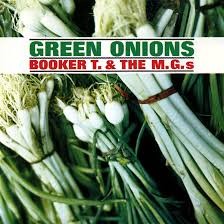
Green Onions stands as one of the most important debut albums in soul history. Booker T. & the M.G.’s announced themselves with a raw, confident sound that felt fully formed from the first note. The title track dominates, of course — its descending organ line instantly recognisable decades later. However, the album offers much more than one hit. Tracks like “Behave Yourself” and “Aw’ Mercy” showcase the band’s blues roots and improvisational instincts. Furthermore, the record captures a live-in-the-studio energy that became the Stax trademark. Jones plays with cool restraint throughout, never overreaching, always serving the song. Cropper’s guitar work is equally disciplined — sparse, precise, and deeply soulful. Additionally, Jackson’s drumming locks everything together with a pocket that few bands have matched. The album’s production, handled largely in-house at Stax, gives it an intimate feel that polished studio efforts rarely achieve. Consequently, Green Onions doesn’t just document Booker T. & the M.G.’s at their beginning — it presents them as already masters of their craft. For any listener new to the group, this is the essential starting point.
Soul Dressing (1965)
Soul Dressing arrived three years after the debut and marked an important chapter in the Booker T. & the M.G.’s story. Significantly, it stands as the final album to feature original bassist Lewie Steinberg, making it a document of the band’s first era. The record leans harder into blues and jazz influences than its predecessor. Tracks such as “Tic-Tac-Toe” and “Big Train” demonstrate the group’s ability to stretch out and swing freely. Moreover, the album reveals how much the band had grown as a collective unit since Green Onions. Jones explores more complex organ voicings here, and Cropper’s guitar tone shifts subtly toward a cleaner, more controlled sound. Nevertheless, the Stax rawness remains intact throughout. The rhythm section of Steinberg and Jackson Jr. drives every track with unhurried authority. Additionally, several covers on the album — including interpretations of familiar standards — show how naturally Booker T. & the M.G.’s could inhabit other writers’ material. Ultimately, Soul Dressing is an underappreciated gem. It rewards patient listening and serves as a vital bridge between the debut’s blues energy and the tighter, more refined sound that would follow with Duck Dunn on bass.
And Now! (1966)

And Now! introduced Donald “Duck” Dunn as the permanent bassist, and the shift was immediately felt. Booker T. & the M.G.’s tightened considerably, with Dunn’s rounder, more melodic bass style complementing Cropper’s guitar in a new way. Together, they created a rhythmic dialogue that became central to the Stax sound. Tracks like “My Sweet Potato” had already proven popular as a single, and the album built confidently around that momentum. Furthermore, the record demonstrates the band’s growing sophistication as arrangers and composers. Jones’s organ work takes on greater harmonic depth, exploring chord voicings that hint at the jazz-funk territory the band would later inhabit. Meanwhile, Jackson Jr. remains the quiet anchor — his drumming precise, musical, and never showy. Additionally, And Now! captures Booker T. & the M.G.’s at a creative peak, writing originals that felt as natural as the covers they performed nightly at Stax. Consequently, this album is essential for understanding how the band evolved from a raw blues outfit into a fully fledged soul powerhouse. The arrival of Dunn didn’t just change the lineup — it completed it.
In the Christmas Spirit (1966)
In the Christmas Spirit might seem like an unlikely entry in the Booker T. & the M.G.’s catalogue, yet it delivers exactly what you’d hope for — a soulful, warm, and genuinely enjoyable set of holiday classics. Released the same year as And Now!, the album proves the band could apply their signature approach to virtually any material. Standards like “Winter Wonderland” and “White Christmas” receive the full Stax treatment — relaxed grooves, clean guitar tones, and Jones’s organ adding a churchy warmth to familiar melodies. Moreover, the record never feels cynical or rushed. Booker T. & the M.G.’s clearly approached the project with care and musical curiosity. Furthermore, the interplay between instruments feels as natural here as on any of their soul recordings. Jackson Jr.’s brushed drums on several tracks lend a gentle, intimate quality rarely heard elsewhere in the catalogue. Nevertheless, the album never loses its soul identity — it simply wears a festive hat. For fans of the group, it offers a charming alternative listen. Additionally, it stands as an interesting case study in how deeply the M.G.’s sound was rooted in American roots music — a tradition that encompasses gospel, blues, and yes, even Christmas standards.
Hip Hug-Her (1967)
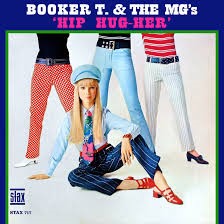
Hip Hug-Her marks a clear evolution in the Booker T. & the M.G.’s sound. The record edges toward a funkier, more syncopated feel — a reflection of where soul music was heading as the 1960s accelerated. The title track opens with a strut that immediately signals something new. Consequently, this album feels like a band reading the cultural moment with precision. Jones’s organ lines carry more rhythmic urgency here, pushing against the beat in ways that anticipate the funk explosion of the early 1970s. Meanwhile, Cropper’s guitar adopts a sharper, more clipped attack on several tracks. Furthermore, Dunn and Jackson Jr. lock into a groove that is simultaneously looser and tighter than anything the band had previously recorded — a paradox that only great rhythm sections can pull off. Additionally, Hip Hug-Her includes both originals and inspired covers, each track bearing the unmistakable imprint of Booker T. & the M.G.’s at their most adventurous. The production, again rooted in the Stax aesthetic, keeps everything grounded even as the music reaches for new territory. In short, this is the album where the M.G.’s began to sound like the future.
Back to Back (1967)
Back to Back captures Booker T. & the M.G.’s in a live setting, recorded alongside the Mar-Keys for a collaborative album that crackles with energy. Live recordings can often disappoint, but this one delivers on every level. The shared stage dynamic between the two groups produces an infectious looseness that studio recordings can rarely replicate. Moreover, hearing Booker T. & the M.G.’s in front of an audience underlines just how powerfully their music translates beyond the recording booth. The interplay between the bands adds texture and spontaneity throughout. Furthermore, Jackson Jr.’s drumming in particular benefits from the live environment — every snare hit lands with extra conviction. Cropper and Jones feed off the crowd’s energy, taking familiar phrases in slightly unexpected directions. Additionally, the track selection draws from the Stax repertoire that audiences knew and loved, making the performances feel celebratory rather than merely dutiful. Consequently, Back to Back functions as both a historical document and a genuinely thrilling listen. For those wondering what it felt like to see Booker T. & the M.G.’s perform in their prime, this album offers the closest available answer.
Doin’ Our Thing (1968)
Doin’ Our Thing showcases the full range of Booker T. & the M.G.’s musical personality. The album balances originals with covers, and the band navigates both with equal confidence. Notably, their choice of cover material always reveals something about the group’s influences and ambitions. Here, they absorb rock, pop, and soul sources and reshape each through their own distinctive filter. Furthermore, the original tracks confirm that the band were accomplished composers as well as formidable interpreters. Jones’s organ playing reaches a new level of maturity — conversational, responsive, and always in service of the groove. Meanwhile, Cropper’s contributions as both guitarist and co-writer add melodic intelligence to the rhythmic foundation. Additionally, Dunn and Jackson Jr. continue to build on the chemistry that made Hip Hug-Her so compelling. Consequently, Doin’ Our Thing rewards close listening. It isn’t the flashiest entry in the Booker T. & the M.G.’s catalogue, but it is among the most consistent. Every track earns its place, and the album as a whole reflects a band operating with total self-assurance.
Soul Limbo (1968)
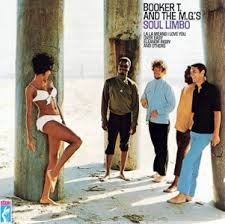
Soul Limbo takes Booker T. & the M.G.’s somewhere genuinely unexpected. The title track introduces Caribbean-influenced percussion — cowbell and steel drum textures — that set it apart from anything the band had previously released. This rhythmic experimentation gives the album a playful, sun-drenched character. Consequently, Soul Limbo has an immediate, joyful quality that makes it among the most accessible records in the M.G.’s catalogue. Furthermore, the band’s willingness to incorporate these new elements demonstrates real musical curiosity. Rather than resting on a proven formula, Booker T. & the M.G.’s actively sought new textures and grooves. Moreover, the title track became a beloved and frequently licensed piece of music — most famously as the theme for BBC cricket coverage in the UK, introducing the band to a whole new audience. Beyond the title track, the album maintains a high standard throughout. Jones’s organ is particularly expressive here, and the rhythm section adapts smoothly to the album’s wider palette. Additionally, the production feels slightly more polished than earlier Stax releases, pointing toward the sonic changes that the new decade would bring. Overall, Soul Limbo is a delight — fresh, inventive, and wholly characteristic of Booker T. & the M.G.’s at their creative best.
Uptight (1969)
Uptight represents the most experimental and politically charged moment in the Booker T. & the M.G.’s discography. Recorded as the soundtrack to Jules Dassin’s 1968 film of the same name — a retelling of The Informer set against the backdrop of the Black Power movement — the album carries a weight and urgency unlike anything else in the catalogue. Booker T. & the M.G.’s rise to the challenge with music that matches the film’s tension and moral complexity. Furthermore, the record finds Jones composing in a more cinematic mode, building atmosphere as much as groove. Consequently, some tracks drift toward jazz and orchestral territory, expanding the band’s sonic reach considerably. Meanwhile, the core M.G.’s rhythmic identity remains present throughout, grounding the more adventurous passages. Additionally, Uptight is a fascinating document of its cultural moment — a record that couldn’t have been made at any other time. For listeners who think they know Booker T. & the M.G.’s, this album consistently surprises. It pushes well beyond the Stax formula and reveals the depth of musical ambition that always existed beneath the group’s deceptively simple grooves.
The Booker T. Set (1969)
The Booker T. Set closes the decade on a high and includes what became one of the group’s most celebrated recordings. Their version of “Time Is Tight” — written as part of the Uptight sessions — emerges here in a form that fully showcases Booker T. & the M.G.’s melodic gifts. The track’s wistful, building organ theme has a timeless quality that continues to move listeners decades later. Furthermore, the album demonstrates the band’s undiminished confidence as the 1960s drew to a close. The covers chosen — including a stunning take on “The Midnight Hour” — feel like genuine reinterpretations rather than straightforward tributes. Moreover, Booker T. & the M.G.’s bring real interpretive depth to each piece. Additionally, Jones’s playing throughout the record has a maturity and emotional richness that reflects nearly a decade of growth. Cropper, Dunn, and Jackson Jr. match him every step of the way. Consequently, The Booker T. Set stands as a fitting summary of the classic era — a confident, musically rich statement from a band that had spent the decade quietly reshaping American music. It is essential listening.
The Transitional & Later Eras
McLemore Avenue (1970)
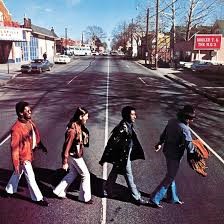
McLemore Avenue is one of the most audacious concept albums in soul history. Booker T. & the M.G.’s took the entirety of the Beatles’ Abbey Road and reimagined it as a seamless instrumental suite. The cover art playfully parodies the iconic zebra crossing photograph — but replaces London’s Abbey Road with the street outside Stax Studios in Memphis. Furthermore, the album works far better than such a premise might suggest. Rather than simply reproducing the Beatles’ arrangements, Booker T. & the M.G.’s absorb the source material and filter it entirely through their own voice. Consequently, tracks like “Something” and “Come Together” feel simultaneously familiar and wholly transformed. Moreover, the medley format suits the M.G.’s instinct for groove and flow, allowing the music to breathe and evolve across the full album side. Jones’s organ inhabits the melodic spaces that the Beatles’ vocals once occupied, and the result is surprisingly moving. Additionally, McLemore Avenue serves as a bridge between two musical worlds — Memphis soul and British rock — demonstrating how much common ground existed between them. It remains a unique and endlessly rewarding entry in the Booker T. & the M.G.’s catalogue.
Melting Pot (1971)
Melting Pot brought the Stax era of Booker T. & the M.G.’s to a close, and it did so in style. The album is their most expansive and jazz-influenced work — tracks stretch out, grooves develop slowly, and the band clearly relish the freedom to explore. The title track itself runs deep and long, its hypnotic groove anticipating the jazz-funk movement that would dominate much of the 1970s. Furthermore, Melting Pot functions as a bold artistic statement. Booker T. & the M.G.’s weren’t simply ending a chapter — they were pointing toward what soul and funk music could become. Moreover, Jones’s keyboard work here draws on a wider palette than ever before, incorporating electric piano textures alongside his signature organ sound. Cropper contributes some of his most nuanced guitar playing on the record. Additionally, the rhythm section of Dunn and Jackson Jr. sounds liberated — their interplay looser and more conversational than on earlier albums. Consequently, Melting Pot rewards repeated listening. Each play reveals new details within its unhurried, exploratory tracks. As a final Stax statement, Booker T. & the M.G.’s couldn’t have chosen a more fitting farewell.
Universal Language (1977)
Universal Language arrived after a six-year gap and served as a reunion for Booker T. & the M.G.’s. The mid-1970s production polish is immediately apparent — the sound is cleaner, more layered, and decidedly of its era. Some fans found the shift jarring after the rawness of the Stax years; however, the album contains genuine moments of quality. Furthermore, the core musical relationships between Jones, Cropper, Dunn, and Jackson Jr. remain intact and warm. Their chemistry doesn’t fade simply because the production aesthetic has changed. Moreover, the record reflects the commercial realities of late-1970s soul and funk, incorporating elements of the disco-influenced sound then dominating the charts. Nevertheless, Booker T. & the M.G.’s retain their identity beneath the polished surface. Additionally, Universal Language is best appreciated as a product of its time rather than measured against the classic Stax recordings. Heard on its own terms, it offers a solid and enjoyable set of performances. Consequently, it stands as an interesting document of how one of soul music’s greatest bands navigated a rapidly changing musical landscape.
That’s the Way It Should Be (1994)
That’s the Way It Should Be arrived after one of the most remarkable late-career moments any band could hope for. Booker T. & the M.G.’s had toured extensively with Neil Young — a pairing that introduced them to an entirely new generation of rock fans and reminded the world of their enduring relevance. Furthermore, the album captures the energy and renewed sense of purpose that tour inspired. The playing throughout is confident and engaged, with all four members clearly reinvigorated. Moreover, the production strikes a better balance than Universal Language, leaning into a cleaner modern sound without entirely abandoning the warm textures that define the band. Tracks here feel purposeful and alive. Additionally, Booker T. & the M.G.’s demonstrate on this final studio album that their songwriting instincts remained sharp decades after “Green Onions” first hit the charts. Consequently, That’s the Way It Should Be functions as a genuinely satisfying conclusion to the studio catalogue. It doesn’t try to recreate the Stax magic — instead, Booker T. & the M.G.’s simply play with the assurance of a band that knows exactly who they are and why it matters.
Few bands have shaped popular music as quietly and as profoundly as Booker T. & the M.G.’s. Their records reward discovery and rediscovery in equal measure. Whether you start with the crackling debut of Green Onions, the experimental boldness of Uptight, or the ambitious concept of McLemore Avenue, you’re entering a catalogue built on taste, restraint, and an unerring sense of groove. Start anywhere. You won’t be disappointed.