
Few bands capture the spirit of British ska quite like Bad Manners. Emerging during the 2-Tone era, Bad Manners built a reputation on high-energy performances and unforgettable hooks. Fronted by the larger-than-life Buster Bloodvessel, the band blended humour, rhythm, and crowd interaction into a unique formula.
Moreover, their music continues to connect with new listeners. As a result, Bad Manners remain a staple of ska playlists and live circuits. With their 2026 anniversary tour drawing attention, interest in their albums continues to grow. Therefore, this guide explores every major release, from early classics to later experiments.
Most Asked Questions About Bad Manners
Who is the lead singer of Bad Manners?
Douglas Trendle, known as Buster Bloodvessel, leads Bad Manners with his unmistakable voice and stage presence.
What was Bad Manners’ biggest hit?
While fans love “Lip Up Fatty,” chart success came from “My Girl Lollipop” and “Can Can.”
Are Bad Manners still touring in 2026?
Yes, Bad Manners continue touring across the UK and Europe during their 50th Anniversary Tour.
What is ‘Ska-n-B’?
The term describes the fusion of 2-Tone ska and rhythm and blues that defines Bad Manners.


The Classic Era (The Magnet Years)
Ska ‘n’ B (1980)
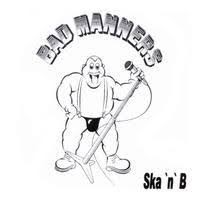
Bad Manners launched their career with “Ska ’n’ B,” a raw and energetic debut. From the start, Bad Manners delivered a sound rooted in classic ska rhythms. Moreover, the band fused rhythm and blues influences into every track. This approach created the foundation for their “Ska-n-B” identity.
The album quickly gained traction among UK audiences. As a result, Bad Manners secured chart success and media exposure. Tracks like “Lip Up Fatty” drove that momentum forward. Additionally, the band’s playful tone helped them stand out from their peers.
While production feels rough, the energy remains undeniable. Therefore, listeners still return to this album for its authenticity. Bad Manners thrive on simple hooks and strong rhythms here. Furthermore, their live sound translates clearly into the recordings.
Although later albums show growth, this debut captures their essence best. Consequently, many fans consider it essential listening. Bad Manners introduced their identity with confidence and clarity. In the wider ska movement, this album holds lasting importance.
Loonee Tunes! (1980)
Released months after their debut, “Loonee Tunes!” pushed Bad Manners further into the spotlight. While the first album built foundations, this release expanded their reach. Moreover, Bad Manners refined their songwriting and tightened their sound.
The band leaned into catchy melodies and accessible arrangements. As a result, the album appealed to a broader audience. Tracks like “Lorraine” gained strong radio attention. Meanwhile, their version of “Tequila” showcased their playful side.
Energy remains central throughout the record. However, the production feels more balanced than before. Therefore, listeners notice a clearer structure in each track. Bad Manners continued blending ska with pop influences.
Although some critics preferred the raw debut, many praised this evolution. Furthermore, fans appreciated the consistent output within one year. Bad Manners proved their work ethic and creativity.
In context, “Loonee Tunes!” cemented their early success. Consequently, it stands as a key album in their catalogue. Bad Manners showed they could sustain momentum without losing identity.
Gosh It’s… Bad Manners (1981)
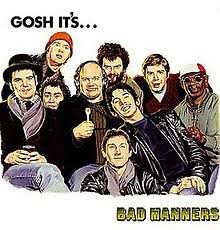
By 1981, Bad Manners reached peak popularity with “Gosh It’s… Bad Manners.” At this stage, Bad Manners had become a household name in the UK. Moreover, their singles dominated charts and television appearances.
The album reflects that commercial confidence. As a result, the production feels polished and accessible. Tracks like “Can Can” gained major chart success. Meanwhile, “Walking in the Sunshine” reinforced their upbeat style.
Although success grew, the band retained their core sound. Therefore, ska rhythms still drive the album forward. Bad Manners balanced mainstream appeal with genre authenticity.
Additionally, their personality shines throughout every track. This consistency helped maintain fan loyalty. Furthermore, their visual identity boosted recognition during this era.
While critics sometimes questioned depth, audiences embraced the fun. Consequently, this album remains one of their most recognised releases. Bad Manners thrived during this period of visibility.
In the broader ska scene, this record marks their commercial peak. Therefore, it remains essential for understanding their legacy.
Forging Ahead (1982)
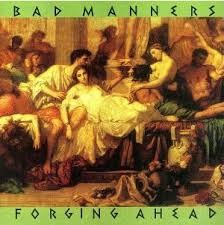
“With Forging Ahead,” Bad Manners shifted towards a more polished direction. While earlier albums leaned on raw energy, this release introduced refinement. Moreover, Bad Manners experimented with broader musical influences.
The production feels cleaner and more structured. As a result, the songs carry a more commercial tone. “My Girl Lollipop” became a standout hit from this era. Additionally, it expanded their audience beyond ska fans.
Although some purists resisted the changes, others welcomed the evolution. Therefore, the album sparked mixed reactions. Bad Manners explored pop elements without abandoning their roots.
Furthermore, the band maintained strong rhythm sections throughout. This consistency helped anchor the new direction. Meanwhile, their signature humour remained intact.
Despite criticism, the album achieved solid chart performance. Consequently, it confirmed their ability to adapt. Bad Manners proved they could evolve with the early 1980s music landscape.
In hindsight, “Forging Ahead” represents a transition point. It bridges their raw beginnings with later experimentation.
The Experimental & Indie Years
Mental Notes (1985)
“Mental Notes” marked a clear departure for Bad Manners in 1985. While earlier albums focused on ska, this release explored 1980s pop influences. Moreover, Bad Manners embraced a more polished and commercial sound.
The shift divided fans at the time. As a result, some long-time listeners felt disconnected. However, others appreciated the band’s willingness to experiment. Bad Manners showed they would not stay confined to one style.
Production plays a larger role on this album. Therefore, synthesisers and cleaner arrangements shape the sound. Although ska elements remain, they take a secondary role.
Additionally, the songwriting leans toward mainstream appeal. This approach reflects wider industry trends of the mid-1980s. Furthermore, the band adapted to changing audience expectations.
Despite mixed reactions, the album holds importance in their catalogue. It highlights a period of risk and reinvention. Bad Manners stepped outside their comfort zone here.
In retrospect, “Mental Notes” offers a unique perspective on their evolution. Consequently, it deserves attention beyond initial criticism.
Return of the Ugly (1989)

By 1989, Bad Manners returned to their roots with “Return of the Ugly.” After experimenting with pop sounds, Bad Manners re-embraced ska fundamentals. Moreover, this shift pleased long-time fans.
The album delivers a more traditional ska approach. As a result, rhythms feel tighter and more authentic. Bad Manners focused on energy and groove once again.
Additionally, the release aligned with renewed interest in ska music. Therefore, timing worked in their favour. The band tapped into nostalgia while maintaining relevance.
Production remains straightforward throughout the album. However, that simplicity enhances its appeal. Bad Manners prioritised feel over complexity.
Although it did not dominate charts, the album gained respect among fans. Furthermore, it reinforced their identity within the genre.
In context, “Return of the Ugly” represents a course correction. Consequently, it stands as a strong comeback effort. Bad Manners proved they could reconnect with their original sound.
Fat Sound (1992)
“Fat Sound” continued the momentum built by their late 1980s revival. With this release, Bad Manners delivered high-energy ska once again. Moreover, the band sounded confident and focused.
The album emphasises rhythm and live performance energy. As a result, many tracks feel stage-ready. Bad Manners leaned into what they do best.
Additionally, the production balances clarity with rawness. This approach keeps the sound engaging throughout. Furthermore, the band avoided overproduction.
While mainstream success remained limited, fan reception stayed strong. Therefore, the album helped sustain their career into the 1990s. Bad Manners maintained relevance through consistency.
Although trends shifted, the band stayed true to their identity. This decision strengthened their loyal fanbase.
In hindsight, “Fat Sound” highlights their resilience. Consequently, it reinforces their reputation as enduring ska performers. Bad Manners continued delivering reliable, energetic music.
Heavy Petting (1997)
“Heavy Petting,” also known as “Don’t Knock the Baldhead!,” showcases Bad Manners in a playful mood. By this stage, Bad Manners embraced both covers and original material. Moreover, the album reflects their live performance style.
The mix of tracks creates variety across the record. As a result, listeners experience different influences. Bad Manners balance humour with musicality throughout.
Additionally, the production feels relaxed and unforced. This approach suits their established identity. Furthermore, the band prioritised fun over chart ambition.
Although it did not reach mainstream success, fans appreciated its energy. Therefore, the album holds value within their later catalogue. Bad Manners stayed connected to their audience.
Meanwhile, their touring activity supported continued interest. The band remained a strong live act during this period.
In context, “Heavy Petting” reflects their enduring appeal. Consequently, it stands as a testament to longevity. Bad Manners continued creating music on their terms.
Stupidity (2003)
“Stupidity” represents the most recent full studio album from Bad Manners. Released in 2003, it captures the spirit of their live shows. Moreover, Bad Manners focused on fun and audience engagement.
The album leans heavily into their established formula. As a result, fans receive exactly what they expect. Bad Manners deliver upbeat ska with strong rhythms.
Additionally, the production supports a lively and direct sound. This approach keeps the energy consistent. Furthermore, the band avoided unnecessary experimentation.
While it did not aim for chart success, the album satisfied core listeners. Therefore, it remains a solid entry in their discography. Bad Manners showed they still had energy decades later.
Meanwhile, their touring continued to drive popularity. Live performances remained central to their identity.
In hindsight, “Stupidity” reinforces their strengths. Consequently, it serves as a fitting continuation of their legacy. Bad Manners proved their staying power once again.
Bad Manners built a lasting legacy through energy, humour, and consistency. From early chart success to later experimentation, Bad Manners never lost their identity. Moreover, their ability to adapt kept them relevant across decades.
Today, their 2026 tour highlights ongoing demand. As a result, new audiences continue discovering their music. Whether exploring early albums or later releases, Bad Manners offer something unique.
Ultimately, their catalogue reflects both evolution and authenticity. Therefore, they remain a key part of British ska history.