
Few bands shaped modern music like The Rolling Stones. Across six decades, they’ve redefined rock, blues, and swagger with relentless consistency. This guide ranks every studio album while giving you sharp, digestible insight into each era. Whether you’re revisiting classics or discovering deep cuts, this is your definitive overview.
What Fans Are Asking Right Now
What is the new Rolling Stones album 2026?
The latest release from The Rolling Stones is Foreign Tongues (expected July 2026). Early buzz centres on the gritty lead single “Rough and Twisted,” which channels their classic blues-rock bite. While details remain limited, the album reportedly blends vintage analogue textures with modern production, suggesting The Rolling Stones continue evolving without losing identity.
How many albums do The Rolling Stones have?
In total, The Rolling Stones have released 25 UK studio albums, alongside 27+ US variations due to different track listings in the 1960s. This dual discography reflects how The Rolling Stones adapted to global markets while building one of the richest catalogues in rock history.
Are The Rolling Stones still touring in 2026?
As of 2026, The Rolling Stones remain active, although on a more selective basis. Rumours suggest Keith Richards is pushing for intimate UK club shows. While nothing is confirmed, insiders hint that The Rolling Stones may favour smaller, exclusive performances over large stadium tours.
The Albums
Early Years (Blues & R&B Roots)
The Rolling Stones (1964)
The Rolling Stones launched their debut with raw intent and deep blues reverence. Covers dominate, yet the band’s attitude feels unmistakable. Meanwhile, Mick Jagger’s vocals cut through with urgency and grit. Although derivative at times, The Rolling Stones inject personality into every track. As a result, this debut set the tone for their rebellious identity.
12 X 5 (1964)
With 12 X 5, The Rolling Stones sharpen their transatlantic appeal. The production feels tighter, while the rhythm section drives harder. Additionally, early hints of songwriting ambition emerge. Although still rooted in covers, The Rolling Stones begin carving a distinct sonic footprint.
The Rolling Stones No. 2 / Now! (1965)
Here, The Rolling Stones grow noticeably more confident. Original material increases, and performances feel more cohesive. Furthermore, their blues influences evolve into something punchier. Consequently, The Rolling Stones sound less like imitators and more like innovators.
Out of Our Heads (1965)
This album delivers a breakthrough moment for The Rolling Stones. “(I Can’t Get No) Satisfaction” defines their global impact. Moreover, the band balances grit with accessibility. Therefore, The Rolling Stones step firmly into mainstream dominance.
December’s Children (1965)
A transitional release, yet still vital in the rise of The Rolling Stones. It mixes live energy with studio experimentation. While uneven, the album captures a band moving quickly. As such, The Rolling Stones continue building momentum.
Aftermath (1966)
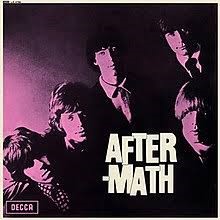
A turning point for The Rolling Stones, this marks their first fully original album. Creativity expands dramatically, and arrangements feel adventurous. Additionally, Brian Jones adds unique instrumentation. Consequently, The Rolling Stones prove they can lead, not follow.
Psychedelic & Experimental Era
Between the Buttons (1967)
With this release, The Rolling Stones embrace baroque pop influences. The songwriting feels playful yet intricate. However, tension simmers beneath the surface. Therefore, The Rolling Stones sound both ambitious and slightly unbalanced.
Their Satanic Majesties Request (1967)
This psychedelic detour divides opinion among fans of The Rolling Stones. Inspired by the era’s experimentation, the band explores layered textures. Although inconsistent, moments shine brightly. Ultimately, The Rolling Stones prove willing to take risks.
The Golden Era (The Big Four)
Beggars Banquet (1968)
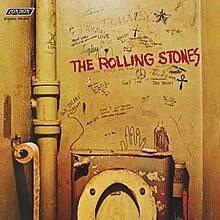
The Rolling Stones return to roots with renewed focus. Stripped-down blues dominates, while songwriting sharpens. Tracks feel purposeful and bold. As a result, The Rolling Stones reclaim authenticity.
Let It Bleed (1969)
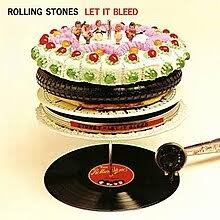
Dark, expansive, and deeply influential, this album elevates The Rolling Stones further. Themes explore chaos and change. Meanwhile, the music blends beauty with menace. Consequently, The Rolling Stones define the end of the 1960s.
Sticky Fingers (1971)
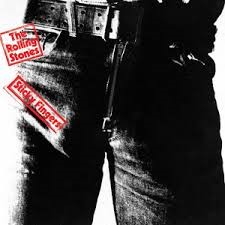
Swagger reaches its peak as The Rolling Stones deliver a confident, polished record. The grooves feel effortless, yet precise. Additionally, emotional depth surfaces unexpectedly. Therefore, The Rolling Stones balance style with substance.
Exile on Main St. (1972)

Widely considered their masterpiece, The Rolling Stones embrace chaos and brilliance. The sound feels raw, layered, and immersive. Furthermore, genres blend seamlessly. As a result, The Rolling Stones create an album that rewards repeated listening.
Mid-70s to Early 80s
Goats Head Soup (1973)
After their peak, The Rolling Stones pivot toward a smoother sound. While less urgent, the songwriting remains strong. Additionally, introspection replaces rebellion. Consequently, The Rolling Stones evolve emotionally.
It’s Only Rock ’n Roll (1974)
This album reasserts identity for The Rolling Stones. The tone feels direct and confident. Although less experimental, it delivers consistency. Therefore, The Rolling Stones maintain relevance.
Black and Blue (1976)
Here, The Rolling Stones experiment with funk and reggae influences. The results vary, yet ambition stands out. Moreover, the band explores groove over structure. As such, The Rolling Stones push boundaries again.
Some Girls (1978)
A revitalised The Rolling Stones respond to punk energy. The album feels urgent, sharp, and modern. Additionally, songwriting regains bite. Consequently, The Rolling Stones prove their adaptability.
Emotional Rescue (1980)
This release sees The Rolling Stones lean into dance rhythms. While divisive, it showcases versatility. Furthermore, experimentation continues. Therefore, The Rolling Stones refuse stagnation.
Tattoo You (1981)
Built from older material, yet remarkably cohesive. The Rolling Stones deliver polished, radio-friendly rock. Meanwhile, standout tracks dominate airwaves. As a result, The Rolling Stones extend their commercial success.
Late 80s to Modern Era
Undercover (1983)
With this album, The Rolling Stones explore darker themes and modern production. The sound feels edgy and uneven. However, ambition remains clear. Therefore, The Rolling Stones continue evolving.
Dirty Work (1986)
Internal tensions shape this release from The Rolling Stones. The energy feels fractured, yet aggressive. Additionally, the tone reflects conflict. Consequently, The Rolling Stones deliver a raw document of turmoil.
Steel Wheels (1989)
A comeback moment for The Rolling Stones, this album restores focus. The songwriting improves significantly. Moreover, production feels contemporary. As such, The Rolling Stones re-establish credibility.
Voodoo Lounge (1994)
Here, The Rolling Stones refine their late-career formula. The album blends nostalgia with polish. Additionally, performances feel confident. Therefore, The Rolling Stones remain a global force.
Bridges to Babylon (1997)
Experimentation returns as The Rolling Stones incorporate modern influences. The sound feels ambitious and uneven. However, standout tracks deliver impact. Consequently, The Rolling Stones embrace change.
A Bigger Bang (2005)
This release finds The Rolling Stones sounding energised and direct. The songwriting feels focused and sharp. Moreover, the band strips back excess. As a result, The Rolling Stones deliver a late-career highlight.
Blue & Lonesome (2016)
A return to roots defines this album from The Rolling Stones. Blues covers dominate, performed with passion. Additionally, the recording feels spontaneous. Therefore, The Rolling Stones reconnect with their origins.
Hackney Diamonds (2023)
With this release, The Rolling Stones prove their enduring relevance. The album blends classic energy with modern production. Furthermore, collaborations expand their reach. Consequently, The Rolling Stones sound revitalised.
Foreign Tongues (2026)
The latest chapter for The Rolling Stones signals continued evolution. Early indications suggest a gritty, confident sound. Additionally, “Rough and Twisted” hints at a blues-driven core. Therefore, The Rolling Stones remain creatively active deep into their legacy.
Across every era, The Rolling Stones have balanced reinvention with identity. From raw blues beginnings to stadium dominance, their catalogue reflects constant motion. While trends changed around them, The Rolling Stones adapted without losing their core edge.
Ultimately, few artists sustain relevance across generations, yet The Rolling Stones continue to define what longevity truly means.