

Electric Light Orchestra (ELO) built a unique identity by blending rock with classical influences. Jeff Lynne led the band with a clear vision. He wanted to bring orchestral sounds into modern rock music. As a result, ELO created a signature style that stood apart from other bands.
Moreover, ELO combined catchy melodies with layered arrangements and strong song writing. This approach helped them reach global success. Songs like “Mr. Blue Sky” and “Evil Woman” still attract listeners today.
Throughout this guide, you’ll find ELO albums reviewed in detail. Each record highlights a different phase of their evolution. From experimental beginnings to polished pop-rock, ELO consistently adapted their sound.
Therefore, this blog explores why ELO remains one of the greatest symphonic rock bands of all time.
Most Asked Questions About ELO
Is ELO still together?
ELO no longer operates as a traditional band line up. However, Jeff Lynne continues to perform under the name Jeff Lynne’s ELO. He remains the creative force behind the music.
In recent years, Lynne announced the “Over and Out” farewell tour. This tour signals the closing chapter of ELO’s live performances. Although the band’s classic era has ended, Lynne still records music.
Therefore, while ELO exists in a modern form, its legacy era has concluded.
Who were the original members of ELO?
The original line up included Roy Wood, Jeff Lynne, and Bev Bevan. Each member played a key role in shaping the early sound.
Roy Wood brought experimental ideas and orchestral ambition. Meanwhile, Jeff Lynne focused on song writing and production. Bev Bevan anchored the band with steady drumming.
Together, they created the foundation that defined early ELO albums.
Why did Roy Wood leave ELO?
Roy Wood left ELO in 1972 due to creative differences. He wanted a different musical direction. At the same time, he aimed to start a new project.
As a result, Wood formed the band Wizzard. Meanwhile, Jeff Lynne took full control of ELO’s direction.
This shift allowed ELO to develop a more polished and commercially successful sound.
What is ELO’s most successful album?
ELO’s most successful albums include Out of the Blue and A New World Record. Both achieved massive global sales.
Out of the Blue stands out for its scale and hit singles. On the other hand, A New World Record delivered consistent chart success.
Therefore, both albums represent peak commercial and creative success.
What does ELO stand for?
ELO stands for Electric Light Orchestra. The name reflects their core idea.
They combined electric rock instruments with orchestral arrangements. This fusion defined their identity and set them apart.
The Albums
1971 – The Electric Light Orchestra / No Answer
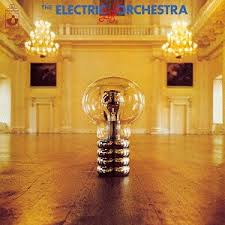
ELO’s debut album introduces the band’s experimental roots. Jeff Lynne and Roy Wood aimed to merge rock with classical textures. As a result, the album sounds raw but ambitious.
“10538 Overture” stands as the standout track. It blends cello lines with driving rock rhythms. This approach defines the early ELO identity.
However, the production feels rough compared to later albums. Still, the ideas remain strong and forward-thinking. The band explores layered instrumentation and unconventional structures.
Throughout this section of ELO albums reviewed, the debut shows clear potential. It sets the stage for future refinement.
Moreover, the album captures a transitional moment. Roy Wood’s influence remains strong here. Yet, Jeff Lynne’s direction begins to emerge.
Although not a commercial breakthrough, it built a foundation. Fans of progressive rock often appreciate its experimental edge.
Ultimately, this album represents the starting point of ELO’s journey. It may lack polish, but it delivers creativity and ambition.
1973 – ELO 2
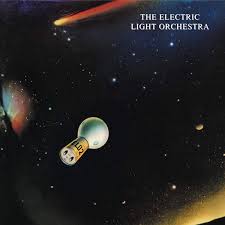
ELO 2 expands on the debut’s ideas with more confidence. Jeff Lynne takes greater control after Roy Wood’s departure.
“Roll Over Beethoven” stands as the defining track. It blends classical motifs with rock energy. This fusion becomes more refined here.
Additionally, the album features longer compositions and deeper arrangements. The band leans into progressive rock influences.
Within ELO albums reviewed, this record marks an important step forward. It shows clearer direction and stronger execution.
However, some tracks feel extended without strong hooks. Even so, the ambition remains impressive.
Furthermore, Lynne sharpens his song writing approach. He balances experimentation with structure more effectively.
The album did not achieve massive commercial success. Still, it gained attention for its unique style.
Overall, ELO 2 builds on the foundation of the debut. It pushes the band toward a more defined identity.
1973 – On the Third Day
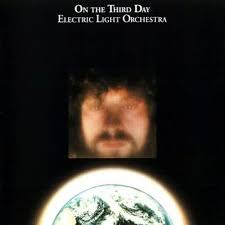
On the Third Day marks a turning point for ELO. Jeff Lynne moves toward a more accessible sound.
“Showdown” highlights this shift. It introduces stronger hooks and tighter song writing.
Moreover, the album reduces heavy orchestration in favour of clearer arrangements. This change improves listenability.
In this phase of ELO albums reviewed, the band finds balance. They blend experimentation with commercial appeal.
Additionally, Lynne focuses on melody and structure. This approach pays off in several standout tracks.
The album gained more recognition than earlier releases. It helped ELO reach a wider audience.
Although still evolving, the band shows clear progress. The production feels more controlled and focused.
Ultimately, this album bridges early experimentation and later success. It sets the stage for their breakthrough years.
1974 – Eldorado

Eldorado introduces a concept-driven approach. The album tells a cohesive story about escapism and dreams.
“Can’t Get It Out of My Head” delivers emotional depth and strong melody. It became a major hit.
Furthermore, the band uses a full orchestra for the first time. This decision elevates the sound significantly.
Within ELO albums reviewed, Eldorado stands as a major artistic leap. It combines storytelling with polished production.
Jeff Lynne refines his song writing further. He creates consistent tone across the album.
Additionally, the orchestration feels purposeful rather than experimental. Each track supports the overall concept.
The album achieved both critical and commercial success. It helped establish ELO as a serious force.
Overall, Eldorado represents a breakthrough moment. It blends ambition with accessibility effectively.
1975 – Face the Music
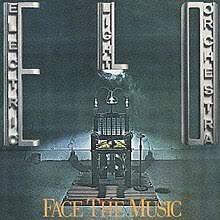
Face the Music delivers a more confident and focused sound. Jeff Lynne sharpens the band’s identity.
“Evil Woman” and “Strange Magic” became major hits. These tracks showcase strong hooks and polished production.
Moreover, the album balances rock energy with orchestral elements. This combination defines ELO’s signature style.
In this section of ELO albums reviewed, the band reaches new commercial heights. They attract a broader audience.
Additionally, Lynne improves production quality. The sound feels cleaner and more cohesive.
The album also experiments with darker tones and textures. This adds variety without losing accessibility.
Furthermore, the song writing feels tighter and more direct. Each track serves a clear purpose.
Overall, Face the Music solidifies ELO’s mainstream appeal. It sets up their most successful era.
1976 – A New World Record
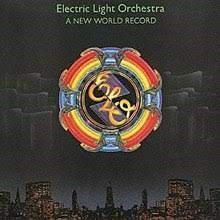
A New World Record marks a peak in ELO’s career. The album delivers consistent hit songs.
“Telephone Line” and “Livin’ Thing” stand out immediately. Both tracks highlight Lynne’s song writing strength.
Additionally, the production reaches a new level of clarity. Every instrument feels balanced and precise.
Within ELO albums reviewed, this album represents commercial and artistic success. It connects with a global audience.
Moreover, the band refines their formula. They combine orchestration with pop sensibility effectively.
The album achieved massive sales and chart success. It became one of ELO’s defining releases.
Furthermore, Lynne’s attention to detail enhances every track. The arrangements feel complete and polished.
Overall, A New World Record remains a key highlight in ELO’s catalogue.
1977 – Out of the Blue
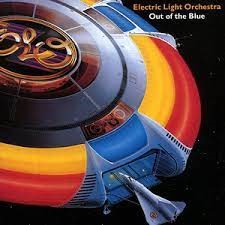
Out of the Blue stands as ELO’s most ambitious project. This double album features a wide range of styles.
“Mr. Blue Sky” and “Turn to Stone” became iconic hits. These songs define the band’s legacy.
Additionally, the album showcases complex arrangements and layered production. Jeff Lynne pushes creative boundaries.
In ELO albums reviewed, this release represents peak creativity. It combines scale with accessibility.
Moreover, the album maintains strong consistency despite its length. Each track adds value.
The commercial success proved enormous. It remains one of the best-selling ELO albums.
Furthermore, Lynne balances experimentation with strong hooks. This keeps listeners engaged.
Overall, Out of the Blue defines ELO’s sound and legacy.
1979 – Discovery
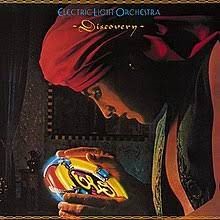
Discovery shifts toward a more pop-oriented sound. The band incorporates disco influences.
“Don’t Bring Me Down” became a massive hit. It features a more straightforward rock style.
Additionally, “Shine a Little Love” reflects the disco trend of the era. This broadens ELO’s appeal.
Within ELO albums reviewed, Discovery shows adaptability. The band evolves with changing musical trends.
Moreover, the production remains polished and accessible. Jeff Lynne maintains high standards.
The album achieved strong commercial success. It reached a wide audience.
Furthermore, the shift in style attracted new listeners. However, some fans preferred earlier sounds.
Overall, Discovery highlights ELO’s ability to adapt while maintaining identity.
1980 – Xanadu (Soundtrack)
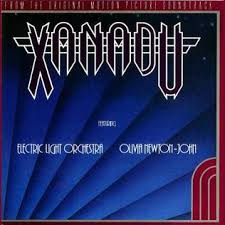
Xanadu serves as a film soundtrack featuring Olivia Newton-John and ELO. Jeff Lynne handled ELO’s contributions.
“I’m Alive” and “All Over the World” stand out as key tracks. These songs reflect ELO’s polished sound.
Additionally, ELO created the second half of the album. Olivia Newton-John handled the first half.
In ELO albums reviewed, Xanadu represents a unique collaboration. It blends film and music effectively.
Moreover, the soundtrack achieved strong commercial success despite mixed film reviews.
Jeff Lynne maintained creative control over ELO’s tracks. This ensured consistency in sound.
Furthermore, the songs remain popular among fans. They showcase ELO’s accessible style.
Overall, Xanadu highlights ELO’s versatility in a different format.
1981 – Time
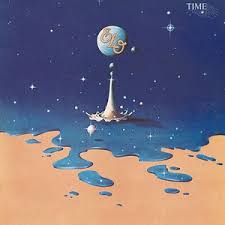
Time introduces a concept based on futuristic themes. The album explores time travel and technology.
“Twilight” and “Hold On Tight” deliver strong melodies. These tracks highlight synth-driven production.
Additionally, the album leans heavily on electronic sounds. This marks a shift from orchestral elements.
Within ELO albums reviewed, Time shows evolution in style. Jeff Lynne adapts to early 80s trends.
Moreover, the concept provides a cohesive listening experience. Each track supports the theme.
The album achieved commercial success in several markets. It gained a dedicated fan following.
Furthermore, the production feels modern for its era. Lynne embraces new technology effectively.
Overall, Time represents a bold creative direction for ELO.
1983 – Secret Messages
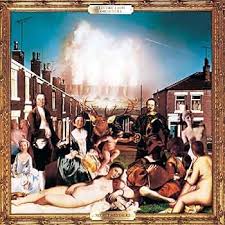
Secret Messages originally aimed to be a double album. However, it released as a single LP.
“Rock ‘n’ Roll Is King” stands as the key track. It delivers a nostalgic rock feel.
Additionally, the album mixes synth elements with classic ELO style. This creates a varied sound.
In ELO albums reviewed, this release shows a transitional phase. The band experiments with direction.
Moreover, some tracks feel less focused. Still, strong moments appear throughout.
Jeff Lynne continues refining production techniques. The sound remains clean and layered.
Furthermore, the album reflects changes in the music industry. ELO adapts to new expectations.
Overall, Secret Messages offers mixed results but remains an interesting entry.
1986 – Balance of Power
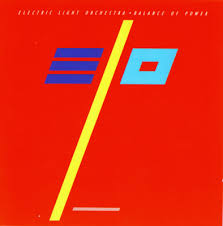
Balance of Power marks the end of ELO’s original run. Jeff Lynne leads the project with a streamlined approach.
“Calling America” stands out as a highlight. It features a polished pop-rock sound.
Additionally, the album relies heavily on synthesizers. This reflects mid-80s production trends.
Within ELO albums reviewed, this release shows a simplified style. The orchestral elements fade significantly.
Moreover, the song writing remains strong despite the shift. Lynne maintains melodic focus.
The album received moderate commercial success. It did not match earlier peaks.
Furthermore, this release signals a pause in ELO’s activity. The band disbanded shortly after.
Overall, Balance of Power closes an important chapter in ELO history.
2001 – Zoom
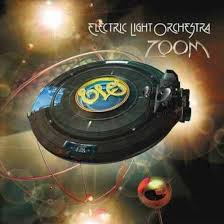
Zoom marks ELO’s return after a long hiatus. Jeff Lynne leads the project largely as a solo effort.
The album features guest appearances from notable musicians. However, Lynne handles most responsibilities.
Additionally, the sound returns to classic ELO influences. It blends modern production with familiar style.
In ELO albums reviewed, Zoom represents a revival attempt. It reconnects with longtime fans.
Moreover, the album did not achieve major commercial success. Still, it gained appreciation over time.
Jeff Lynne focuses on song writing and melody. This keeps the album engaging.
Furthermore, the production feels clean and updated. It avoids outdated trends.
Overall, Zoom offers a solid return to form for ELO.
2015 – Alone in the Universe

Alone in the Universe credits Jeff Lynne’s ELO. This reflects his role as the sole driving force.
The album delivers a modern take on classic ELO sound. It features polished production and strong melodies.
Additionally, Lynne handles most instruments and vocals. This creates a cohesive feel.
Within ELO albums reviewed, this release highlights longevity. Lynne maintains quality decades later.
Moreover, the album received positive reviews. Fans welcomed the return.
The song writing remains consistent and accessible. Lynne focuses on familiar strengths.
Furthermore, the production feels contemporary yet nostalgic. It balances past and present.
Overall, Alone in the Universe proves ELO’s enduring appeal.
2019 – From Out of Nowhere
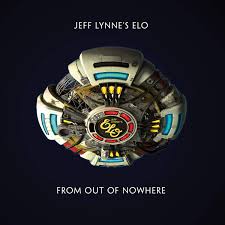
From Out of Nowhere stands as the most recent ELO studio release. Jeff Lynne continues his solo-led approach.
The album features concise songs with strong hooks. It maintains a classic ELO feel.
Additionally, Lynne focuses on efficient song writing. The tracks remain direct and engaging.
In ELO albums reviewed, this release shows consistency. Lynne delivers reliable quality.
Moreover, the production remains polished and modern. It avoids unnecessary complexity.
The album received solid reviews from fans and critics. It reinforces ELO’s legacy.
Furthermore, Lynne proves his continued creativity. He adapts while staying true to his style.
Overall, From Out of Nowhere closes the discography with confidence.