

Table of Contents
- Introduction
- Most Asked Questions About Deep Purple
- The Sixties (Mark I)
- The Golden Era (Mark II)
- The Blues-Rock Era (Mark III & IV)
- The Reunion & Beyond
- The Modern Era
Introduction
Deep Purple helped shape hard rock with power, speed, and musical precision. Since the late 1960s, the band has pushed boundaries while blending rock, blues, and classical influences. Moreover, their evolving lineups kept the sound fresh across decades. This guide to Deep Purple albums reviewed explores their full journey, from psychedelic beginnings to modern releases.
While many bands faded, Deep Purple adapted and survived. As a result, they influenced heavy metal, progressive rock, and modern hard rock. Their legacy remains strong, both on record and on stage.
Most Asked Questions About Deep Purple
Who are the current members of Deep Purple?
The current lineup includes Ian Gillan, Roger Glover, Ian Paice, Don Airey, and Simon McBride. Notably, Ian Paice remains the only founding member still active. Meanwhile, Simon McBride joined in 2023 and brought a sharper, more modern guitar tone. As a result, the band continues to sound fresh while keeping its classic identity.
Why did Ritchie Blackmore leave Deep Purple?
Ritchie Blackmore left in 1975 due to creative differences. He preferred a more melodic and classical direction. However, tensions returned during the 1993 tour, leading to his final departure. Consequently, the band moved forward with different guitarists and a broader musical approach.
What is the meaning of “Smoke on the Water”?
The song tells the story of the 1971 Montreux casino fire. During a Frank Zappa concert, a flare caused the building to burn. As a result, smoke spread across Lake Geneva. The band witnessed the event and turned it into one of rock’s most famous songs.
How many albums has Deep Purple sold?
Deep Purple has sold over 100 million albums worldwide. Therefore, they rank among the most successful rock bands in history.
Is Deep Purple still touring in 2026?
Yes, the band continues touring in 2026. Their “=1 More Time” tour highlights both classic songs and newer material. As a result, fans experience both nostalgia and modern energy.
The Sixties (Mark I)
Shades of Deep Purple (1968)
This debut blends psychedelic rock with early hard rock ideas. While raw in places, it still shows ambition. Moreover, tracks mix covers with original material, which helped the band find direction. In this phase of Deep Purple albums reviewed, the band had not yet defined its signature sound. However, strong keyboard work already stood out. As a result, the album gained attention in the United States.
The Book of Taliesyn (1968)
The second release builds on the debut with tighter arrangements. Additionally, the band experiments more with structure and tone. Within Deep Purple albums reviewed, this album shows early growth. However, the identity still feels unfinished. Even so, the mix of rock and classical elements hints at future success.
Deep Purple (1969)
The third album moves closer to a heavier sound. Therefore, it marks a key turning point. In this stage of Deep Purple albums reviewed, orchestral ideas appear more clearly. As a result, the band begins shaping its long-term direction.
The Golden Era (Mark II)
Deep Purple in Rock (1970)
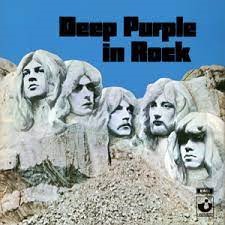
This album defines the band’s hard rock identity. With louder production and stronger vocals, it set a new standard. Moreover, the guitar and organ interplay created a powerful sound. In Deep Purple albums reviewed, this record stands as a major breakthrough. As a result, it influenced many future rock and metal bands.
Fireball (1971)
“Fireball” expands the sound with more experimentation. While still heavy, it explores rhythm and structure. Therefore, it adds depth to Deep Purple albums reviewed. Some fans see it as less direct, yet it remains important.
Machine Head (1972)
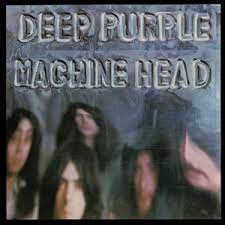
This album represents the band at its peak. Recorded under unusual conditions, it captured raw energy. Moreover, it delivered one of rock’s most famous riffs. In Deep Purple albums reviewed, this stands as a defining release. As a result, it became one of their best-selling albums. Its balance of precision and power still sets it apart.
Who Do We Think We Are (1973)
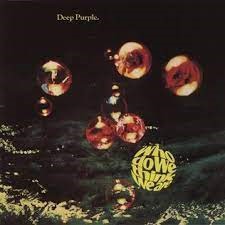
Tensions within the band shaped this album. As a result, it sounds less unified. However, it still achieved strong sales. In Deep Purple albums reviewed, it marks the end of a key era. Therefore, it remains historically important.
The Blues-Rock Era (Mark III & IV)
Burn (1974)
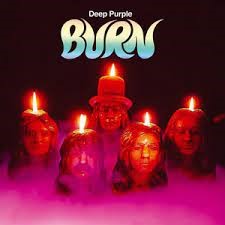
“Burn” introduces a new lineup and a blues-driven sound. As a result, the band feels refreshed. Within Deep Purple albums reviewed, this album shows a bold shift. Moreover, the vocals add soul and range. Therefore, it stands as a strong reinvention.
Stormbringer (1974)
This album leans further into funk and soul influences. While some fans resisted the change, it still shows ambition. In Deep Purple albums reviewed, it highlights experimentation. As a result, the band explored new musical territory.
Come Taste the Band (1975)
A new guitarist changed the dynamic again. Consequently, the sound became more American in style. Within Deep Purple albums reviewed, this album reflects transition. However, it struggled commercially compared to earlier releases.
The Reunion & Beyond
Perfect Strangers (1984)
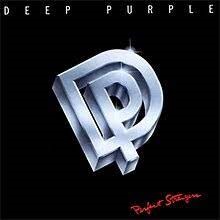
This reunion album restored the classic lineup. As a result, it brought back the signature sound. In Deep Purple albums reviewed, it stands as a successful comeback. Moreover, it balanced modern production with classic style.
The House of Blue Light (1987)
The follow-up continues the reunion momentum. However, it feels less focused. Still, in Deep Purple albums reviewed, it offers strong moments. Therefore, fans still value it.
Slaves and Masters (1990)
A lineup change brought a different vocal style. As a result, the sound shifted again. Within Deep Purple albums reviewed, this album feels unique. However, it divided opinion among fans.
The Battle Rages On… (1993)
This album marked the final release with the classic guitarist. Therefore, it carries tension and intensity. In Deep Purple albums reviewed, it closes an important chapter.
Purpendicular (1996)
A new guitarist introduced fresh ideas. As a result, the band explored modern sounds. Within Deep Purple albums reviewed, this album signals renewal.
Abandon (1998)
This release builds on the previous album’s direction. Moreover, it adds heavier tones. Therefore, it fits well within Deep Purple albums reviewed as a late-era highlight.
The Modern Era
Bananas (2003)
This album blends classic and modern influences. As a result, it feels accessible. In Deep Purple albums reviewed, it marks a stable phase.
Rapture of the Deep (2005)
The band experiments with mood and texture here. However, the reception remained mixed. Still, in Deep Purple albums reviewed, it adds variety.
Now What?! (2013)
This album delivers strong song writing and production. As a result, it gained critical praise. Within Deep Purple albums reviewed, it stands out in the modern era.
Infinite (2017)
The band reflects on its legacy while moving forward. Therefore, it feels both nostalgic and fresh. In Deep Purple albums reviewed, it shows maturity.
Whoosh! (2020)
This album continues the late-career consistency. Moreover, it mixes humour with strong musicianship. As a result, it keeps the band relevant.
Turning to Crime (2021)
This covers album offers a lighter approach. However, it still shows strong performance. In Deep Purple albums reviewed, it acts as a fun side project.
=1 (2024)
This album introduces a new guitar direction. Simon McBride brings a sharper and more aggressive tone. Unlike Ritchie Blackmore’s classical style, McBride focuses on precision and speed. Meanwhile, his approach feels more direct than Steve Morse’s melodic phrasing.
Within Deep Purple albums reviewed, “=1” stands as a strong modern entry. While it does not match the raw impact of the 1970s peak, it still delivers energy and clarity. Moreover, the production sounds modern without losing identity. As a result, the band proves it can still evolve after decades.
Deep Purple’s journey shows constant change and resilience. From early experimentation to global success, they shaped hard rock history. This guide to Deep Purple albums reviewed highlights both their peaks and transitions.
While the 1970s defined their legacy, modern releases prove their relevance. Therefore, their influence continues across generations.