


The comeback of vinyl has brought that signature analogue warmth back into our lives, but getting that perfect sound depends on one piece of gear more than any other: the phono preamp. It’s the unsung hero in your setup, the crucial link that unlocks what your turntable can really do. It provides the clarity and punch you need, whether you’re spinning records for a packed dance floor or just for yourself.
Finding the Best Preamp for Your Turntable Setup
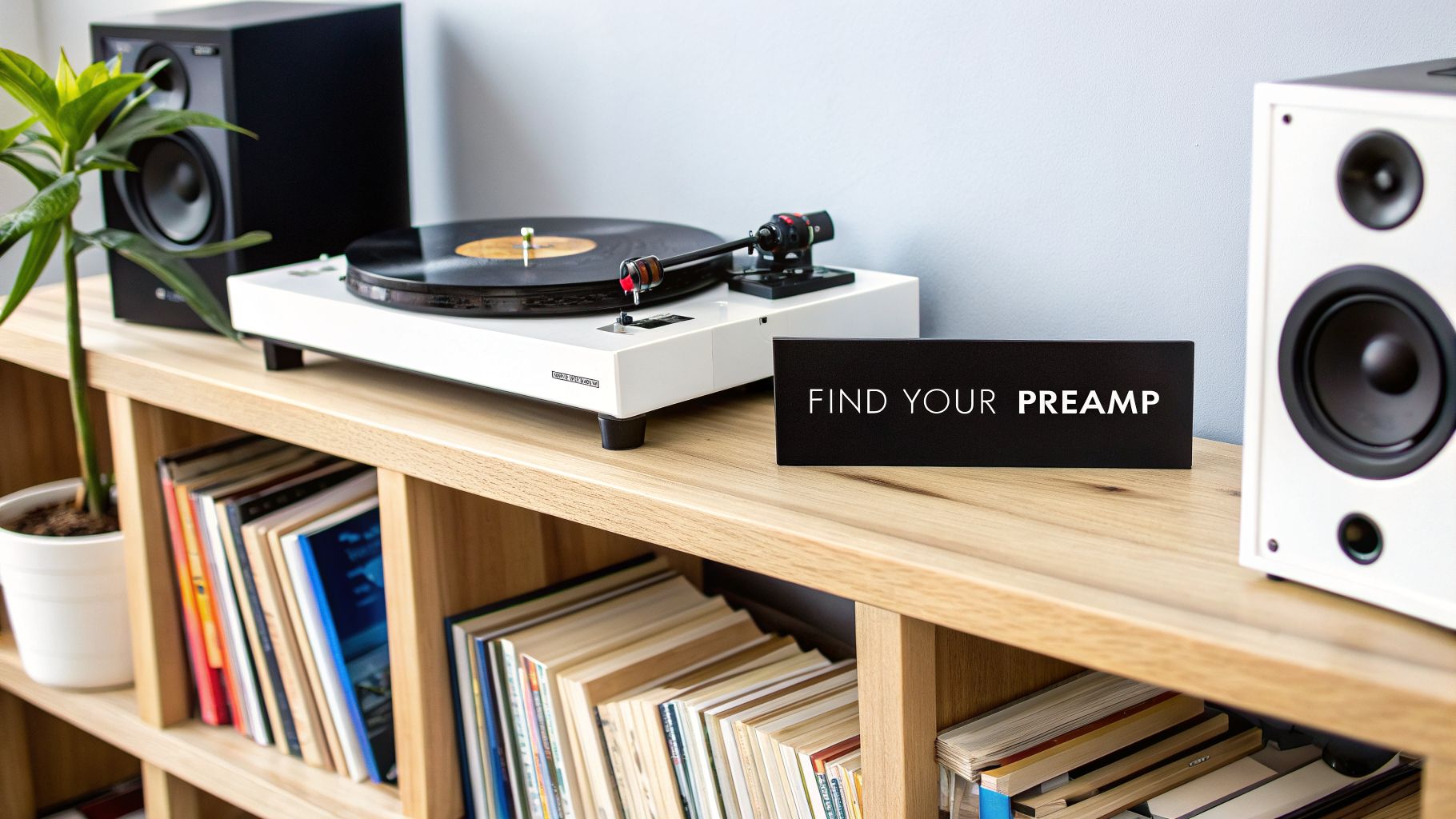
The renewed love for records isn’t just a nostalgic fad; it’s a serious market. In the UK alone, the stereo turntable market hit a USD 5,065.81 million share in 2024, which shows just how vibrant modern vinyl culture has become. This growth means there’s a real need for quality audio components to match.
A lot of newcomers get started with turntables that have a preamp built-in, but honestly, they often just don’t cut it. A separate, dedicated unit goes far beyond basic functionality to pull out the detail and power your system truly deserves.
Why a Dedicated Preamp Matters
Think of a phono preamp as the translator between your turntable’s cartridge and your amplifier or speakers. It has two critical jobs to do. First, it has to boost the incredibly weak signal from the cartridge up to a usable “line level.” Second, it applies the RIAA equalisation curve, which restores the bass and treble that were intentionally reduced during the record-pressing process.
Without this step, your records would sound thin, quiet, and tinny—a shadow of their intended sound. A quality external preamp is engineered to handle these tasks with far more precision and less background noise than the simple circuits crammed inside most budget turntables. This is absolutely non-negotiable for DJs at weddings and events, where clear, powerful sound is everything.
A dedicated phono preamp is the single most impactful upgrade you can make to a vinyl setup. It provides the clean gain and accurate tonal balance necessary to hear your records exactly as the artist intended.
Comparing Built-In vs External Preamps
To pick the best preamp for your turntable, you have to understand the trade-offs between an integrated unit and a standalone box.
| Feature | Built-In Preamp (Integrated) | External Preamp (Dedicated) |
|---|---|---|
| Sound Quality | Usually basic. You’ll get more noise and less detail. | Far superior clarity, a lower noise floor, and much better dynamics. |
| Flexibility | It is what it is. No options for matching different cartridges or adjusting gain. | Lets you upgrade and perfectly pair with different cartridges (MM/MC). |
| Best For | Casual listeners and absolute beginners on a tight budget. | Serious listeners, DJs, and anyone chasing high-fidelity audio. |
| Cost | Comes with the turntable, so you save money upfront. | A separate purchase, from budget-friendly models to serious high-end gear. |
Getting to grips with every part of your audio chain is vital. For a full walkthrough of the whole process, this guide on setting up a turntable for perfect analog sound is an excellent resource. Exploring our other guides can also give you some great ideas for creating legendary event experiences.
https://vinylgold.co.uk/wp-content/uploads/2026/01/Music-That-Feels-Personal.-Events-That-Feel-Legendary.png

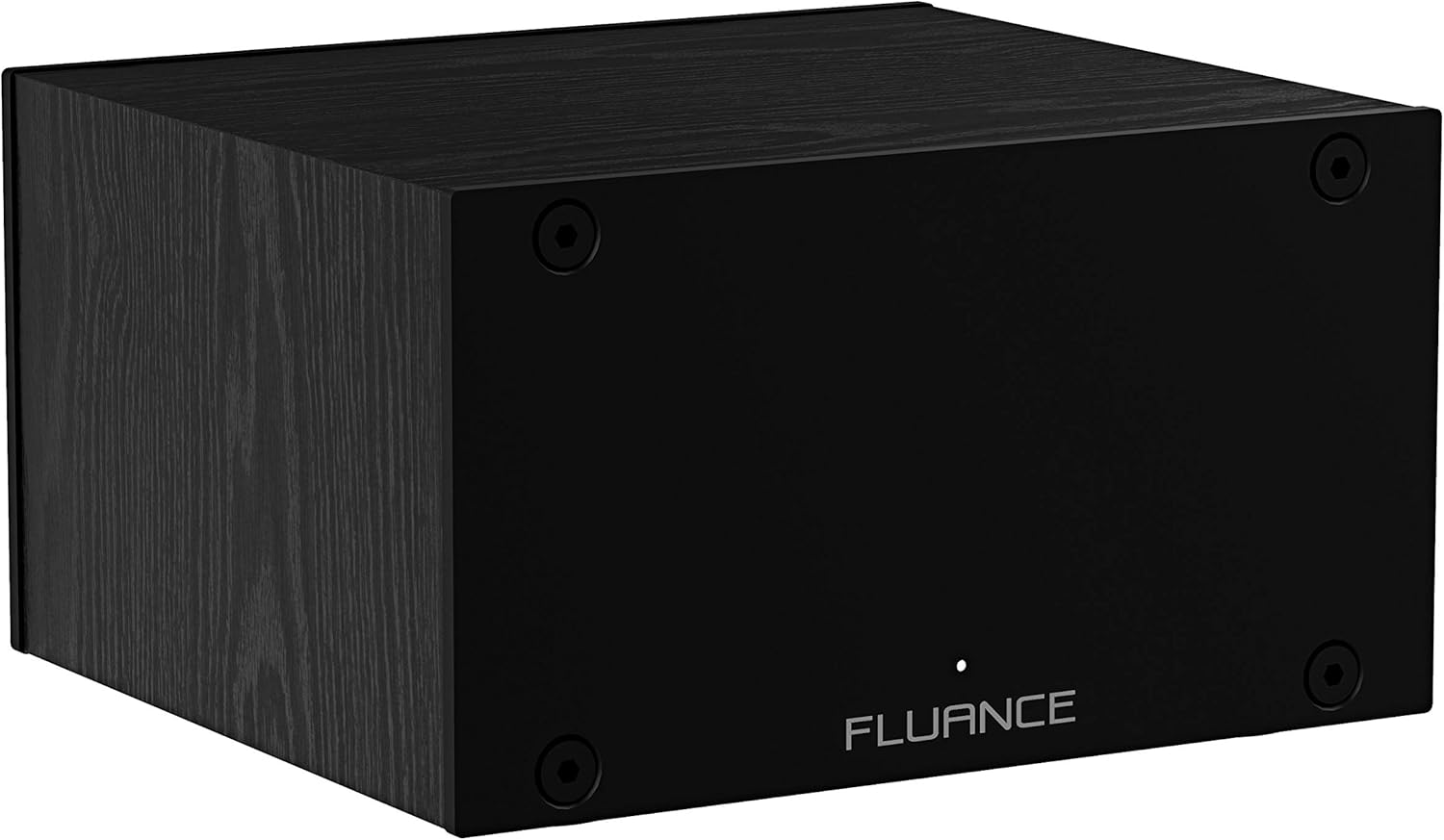

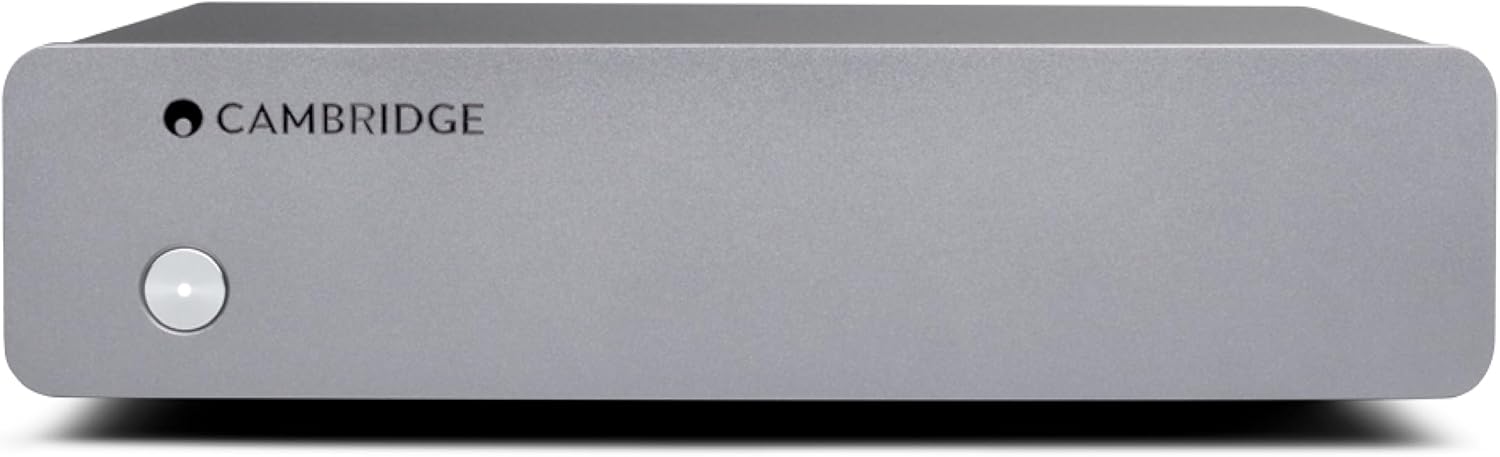
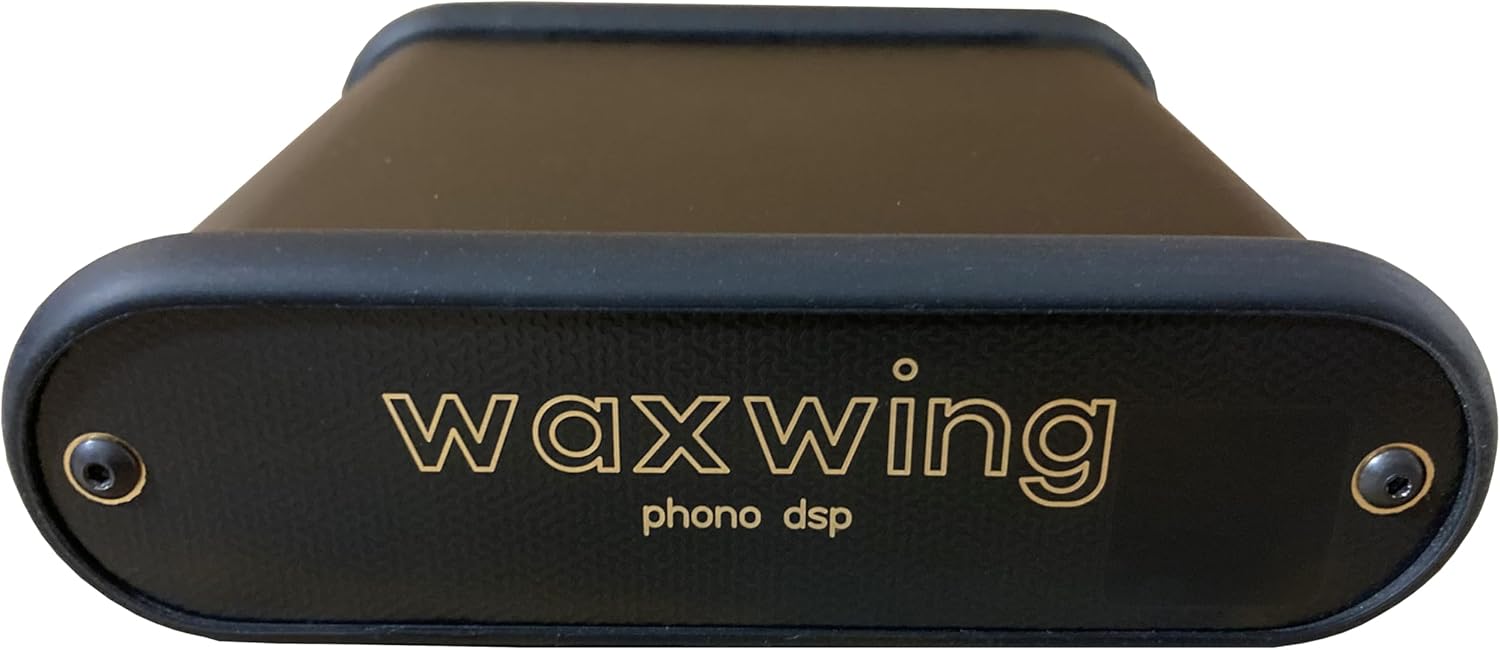
Why a Dedicated Phono Preamp Is Essential
To really get why a dedicated unit is often the best preamp for turntable setups, you have to understand the two fundamental jobs it performs. Think of it as a specialist translator, converting the unique signal from a vinyl record into a language your amplifier or powered speakers can actually use. Without this crucial step, the rich, warm sound you associate with vinyl simply can’t exist.
First, there’s amplification. The signal generated by your turntable’s cartridge is incredibly quiet—we’re talking hundreds of times weaker than what comes from a CD player or streamer. A phono preamp boosts this tiny signal up to “line level,” making it strong enough for your main amplifier to work with.
Just as important is the second job: RIAA equalisation. To physically cram all that music onto a record and stop the needle from jumping out of the groove, bass frequencies are massively cut and treble frequencies are boosted during manufacturing. A preamp reverses this process with remarkable precision, applying the standard RIAA equalisation curve to bring back the original tonal balance.
Built-In Preamps: The Compromise
Plenty of entry-level and consumer-grade turntables come with a “phono stage” or preamp built right in. While it offers plug-and-play simplicity, this almost always means a big compromise on sound quality. These internal circuits are usually made with budget components and have to operate in a very noisy electrical environment inside the turntable itself.
Being so close to the motor and other electronics can introduce unwanted hum and noise, masking the subtle details in your music. What’s more, the RIAA equalisation is often less accurate, leaving you with a sound that might lack deep bass or high-frequency sparkle. While convenient for beginners, a built-in stage is a bottleneck that stops you from hearing what your turntable can truly do.
For a professional DJ service like VinylGold, relying on a built-in preamp is simply not an option. The lack of clarity and muddy low-end is a deal-breaker, especially when playing old-school house and soul tracks in a live setting. An external preamp gives us the clean gain and precision needed to keep a dance floor moving.
The Power of an External Upgrade
An external, or “outboard,” phono preamp is a total game-changer for any serious vinyl lover. Because it’s housed in its own dedicated chassis, it’s shielded from the mechanical and electrical noise coming from the turntable and other gear. This separation is the key to achieving a lower noise floor, which means you hear more of the music and less of the equipment.
Manufacturers of dedicated preamps can use higher-quality components, smarter circuit designs, and better power supplies—all things that lead to a more accurate and dynamic sound. This investment is clearly reflected in the market’s health; the global phono preamp sector hit USD 205.95 million in 2024 and is projected to keep growing. You can dive deeper into the numbers with this in-depth phono preamplifier market report.
This focused design also unlocks features you just won’t find in built-in models. You get the flexibility to match different cartridge types (Moving Magnet or Moving Coil), tweak gain settings for the perfect volume, and even use subsonic filters to kill off low-frequency rumble. All of these are essential for getting the absolute most out of your record collection. A dedicated preamp isn’t an accessory; it’s a fundamental upgrade.
Choosing Your Sound: Solid-State vs. Tube Preamps
Picking the right phono preamp is about more than just matching specs. It’s about deciding on the fundamental character of your sound. The technology inside that little box—whether it’s driven by transistors or old-school vacuum tubes—directly shapes how you hear your records. This choice is every bit as important as the cartridge you mount on your turntable’s tonearm.
Before we get into the sonic debate, you first need to sort out cartridge compatibility. This will narrow down your options right away. Your choice is between two main camps: Moving Magnet (MM) and Moving Coil (MC).
Moving Magnet vs. Moving Coil Cartridges
Most turntables, particularly those in the entry-level to mid-range, ship with a Moving Magnet (MM) cartridge. They’re known for being robust, having user-replaceable styli, and putting out a relatively strong signal. This makes them a fantastic all-rounder for home listening and tough enough for many DJ gigs.
Moving Coil (MC) cartridges, however, are the go-to for high-fidelity purists. They pull more detail from the groove, track with greater precision, and deliver a more refined, nuanced sound. But their output is tiny compared to an MM cartridge. That means they need a preamp with much more gain and specific loading options, making them pricier and less forgiving. They truly belong in a dedicated listening setup.
For most people, an MM-compatible preamp is the perfect place to start. It offers huge compatibility and brilliant performance. Only venture into MC territory if you’re serious about building a high-end audiophile system and are ready for the extra cost and setup it demands.
With your cartridge type sorted, the next decision hits the sonic heart of the preamp. Are you after analytical precision, or do you crave analogue warmth? This is the essential difference between solid-state and tube preamps.
The Case for Solid-State Preamps
Solid-state preamps use transistors to amplify the signal from your cartridge. This technology is defined by its accuracy, speed, and incredibly low noise floor. A well-designed solid-state unit aims to be a “straight wire with gain,” amplifying the signal without adding any colour of its own.
This neutrality is a huge advantage in a professional environment. For a VinylGold DJ playing a wedding in Kent, consistency is everything. A solid-state preamp ensures a classic soul track sounds exactly as it was mastered—with tight bass, crisp highs, and no extra fluff. Their reliability also makes them workhorses for live events where gear failure simply isn’t an option.
Key traits of solid-state preamps include:
- Precision: An analytical, detailed sound that reveals every last nuance in the recording.
- Reliability: They are built to last, require zero maintenance, and offer a very long lifespan.
- Low Noise: Their design naturally creates a silent background, letting subtle musical details come forward.
- Consistency: The sound doesn’t change with temperature or over time, giving you predictable performance every time.
This makes them the clear choice for DJs, archivists, and anyone who puts clinical accuracy above all else. They deliver the unvarnished truth of the recording, for better or for worse.
The Allure of Tube Preamps
Tube, or valve, preamps use vacuum tubes for amplification—a technology that predates the transistor by decades. Instead of aiming for perfect accuracy, tube preamps are celebrated for their warmth, richness, and musicality. They tend to introduce a subtle, pleasant distortion known as “even-order harmonics.”
This harmonic content is often described as making music sound fuller, more three-dimensional, and more “alive.” It can smooth over the harshness of a poor recording and add a gorgeous bloom to vocals and acoustic instruments. For someone at home settling in with a classic jazz record, this added character is often the whole point of the vinyl experience.
But this sonic magic comes with a few practical trade-offs. Tubes have a limited lifespan and will need replacing. They also run hotter, can be prone to microphonic noise from vibrations, and need a bit of time to warm up before they sound their best.
A tube preamp is less about hearing the recording and more about feeling the music. It’s an emotional choice, perfect for listeners who want to inject a dose of classic analogue character into their system.
Solid-State vs. Tube Preamps At a Glance
So, how do you choose? Your decision really comes down to what you’re using it for. There’s no single “best” option, only the right tool for the job. This table breaks down the core differences to help you decide.
| Feature | Solid-State Preamps | Tube (Valve) Preamps |
|---|---|---|
| Sonic Signature | Accurate, neutral, detailed, and fast. | Warm, rich, full-bodied, and musical. |
| Ideal Use Case | Professional DJs, archivists, and critical listeners who value fidelity. | Home listeners chasing analogue warmth and a richer, more romantic sound. |
| Real-World Scenario | A DJ needing a tight, predictable bass mix at a corporate event. | A home user enjoying a classic rock album with enhanced vocal presence. |
| Practicality | Extremely reliable, no maintenance, consistent (“fit and forget”). | Needs tube replacement, warm-up time, and careful placement. |
Ultimately, picking between solid-state and tubes is a personal journey. If you need the uncoloured truth for professional work, a solid-state preamp is your faithful ally. But if you’re chasing that magical, golden-era sound for your living room, a tube preamp will almost certainly bring you more joy.
Essential Features For Professional and Live Use
When you’re picking a preamp for professional work, the game changes completely. Forget the subtle sonic flavours you might chase for your home listening room. In the heat of a wedding, a corporate event, or a packed DJ booth, one thing matters above all else: rock-solid reliability. Your gear has to work, flawlessly, every single time. Here, the features that guarantee consistency and pure toughness become non-negotiable.
First up is robust construction. Any preamp destined for the road needs a sturdy, all-metal chassis. Plastic cases are fine for a quiet living room, but they won’t survive the bumps, drops, and general chaos of being hauled around and set up week after week. Metal housing doesn’t just protect the delicate guts inside; it gives you far better electrical shielding—your first line of defence against noise.
This chart breaks down the initial choice between preamp technologies based on what you’re doing.
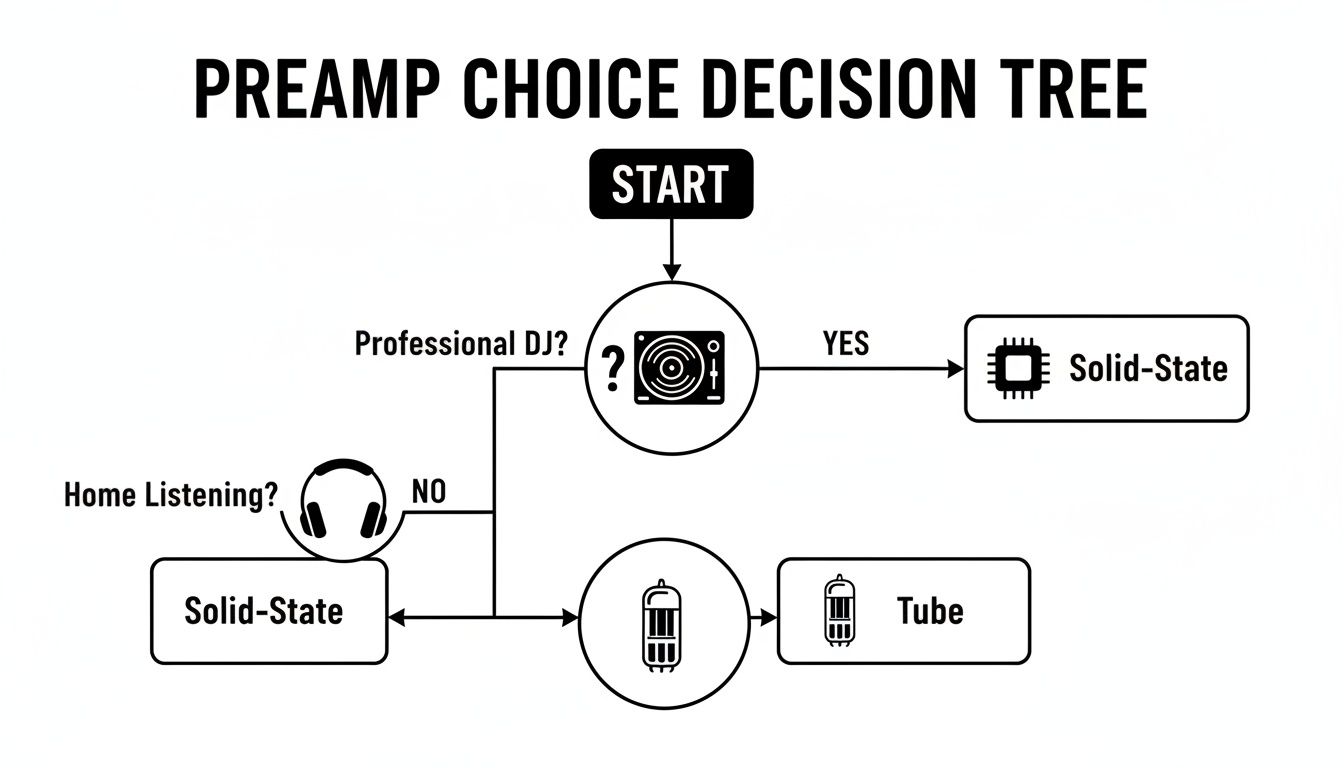
As you can see, the path for any working DJ almost always points to a solid-state preamp. It’s all about precision and reliability when you’re under pressure.
Critical Connections and Noise Rejection
Beyond build quality, your connections are everything. For any live performance, a preamp with balanced XLR outputs is a game-changer. Standard RCA cables are fine for short runs at home, but they are magnets for electrical interference over the long distances you find in event venues. The result is that dreaded hum and buzz.
Balanced XLR connections are specifically designed to cancel out this noise. For corporate jobs and noisy venues like those across Kent, a preamp with balanced outputs can slash noise by as much as 30dB. That ensures a pristine signal reaches the main sound system. With Europe’s turntable market growing at a 5.4% CAGR, professional features are what will make you stand out. You can learn more about the growing demand for professional turntable equipment.
An effective grounding post is another absolute must-have. Improper grounding is the number one cause of that infuriating 60-cycle hum. A well-designed preamp will have a dedicated, easy-to-reach post to securely connect your turntable’s ground wire, killing that common problem for good.
Fine-Tuning For Flawless Playback
With the fundamentals covered, it’s the practical features for on-the-fly adjustments that separate a good pro preamp from a great one. These are the tools that give a DJ the control needed to handle any situation.
Here are the key features to look for:
- Adjustable Gain: This lets you perfectly match the preamp’s output to the mixing desk’s input. It ensures you’re sending a strong, healthy signal without it clipping or distorting—critical when you’re blending tracks.
- Switchable Subsonic Filter: Bouncy dance floors and wobbly stages create low-frequency vibrations that make woofer cones go wild, muddying up the bass. A subsonic (or rumble) filter cuts these inaudible frequencies, giving you a tighter, cleaner, and more powerful low end.
- Mono Switch: So many classic soul, funk, and jazz records from the 50s and 60s were mixed in mono. Playing these pressings with a mono switch on can dramatically reduce surface noise and deliver the sound with a solid, focused centre, just as the original engineer wanted.
These features aren’t luxuries; they are essential tools for any DJ spinning vinyl professionally. They deliver the control and reliability needed for a seamless performance, ensuring every record sounds its absolute best, no matter the venue. Capturing those perfect moments is what it’s all about, as you can see in our gallery of golden vibes in the DJ booth.
Our Top Preamp Recommendations for 2026
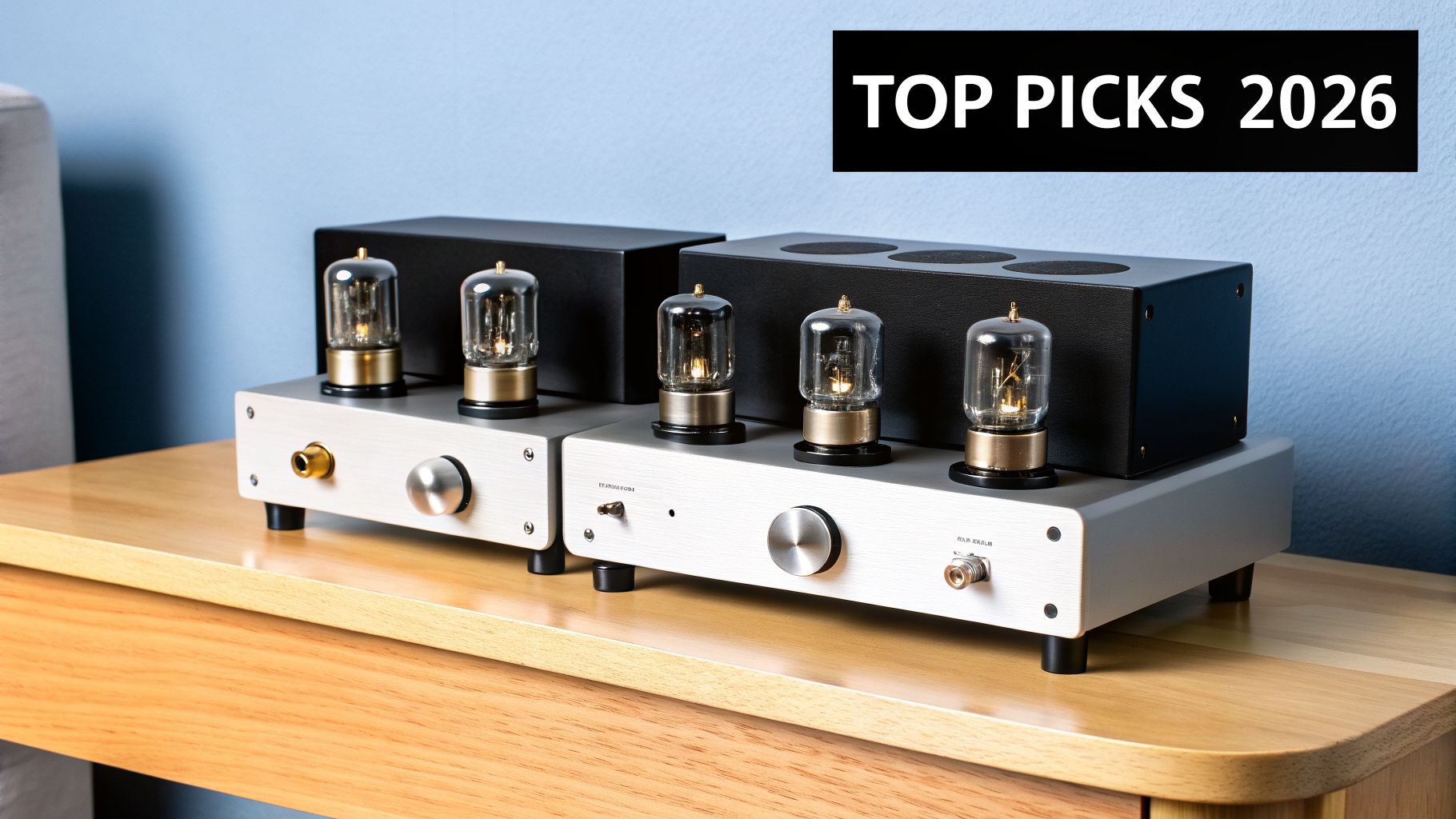
The world of phono preamps can feel like a minefield. Instead of just throwing a long list of gear at you, we’ve hand-picked our top choices for 2026 based on how people actually use them. We’ve put these units through their paces, focusing on sound, build quality, and real-world value.
This isn’t just about specs on a page. These selections represent what we believe is the best preamp for turntable owners in different settings, from a packed DJ booth to a quiet listening room. Each pick earned its spot by delivering where it matters most.
For the Professional DJ: The Solid-State Workhorse
For any working DJ, reliability isn’t just a feature—it’s everything. When you’re in the middle of a wedding set or a corporate event, the last thing you need is gear letting you down. For this job, you need a rugged, clean-sounding solid-state preamp built for precision and punishment.
Our choice here is a model known for its tough metal chassis and an incredibly low noise floor. Its sound is neutral and uncoloured. It doesn’t add warmth; it reveals truth, making sure classic funk, soul, and house records hit with the tight bass and crisp detail they were recorded with.
Key features for the pros include:
- Balanced XLR Outputs: Essential for running long cables across large venues without picking up that dreaded hum or interference.
- Adjustable Gain Control: This lets you perfectly match levels with your mixer, stopping distortion in its tracks and guaranteeing smooth blends.
- A Switchable Subsonic Filter: Crucial for cutting out low-frequency rumble from foot traffic and bouncy dance floors, keeping the bass clean and punchy.
This kind of preamp is a true workhorse. It’s the tool you can trust night after night to deliver consistent, high-fidelity sound, so you can focus on the mix and the crowd.
For the Home Listener: The Versatile Musical Performer
The home listener’s priorities are a bit different. Reliability still counts, but the focus shifts to musicality, flexibility, and a sound that brings pure joy to your listening sessions. Here, the best preamp for turntable enthusiasts is one that marries excellent performance with a rich, engaging character.
Our recommendation is a versatile model that supports both Moving Magnet (MM) and Moving Coil (MC) cartridges. That flexibility is vital. It means you can start with a standard MM cartridge and upgrade to a high-output MC model down the line without having to buy a whole new preamp.
The real standout quality of our home-use pick is its musicality. It walks that perfect line between solid-state accuracy and the subtle richness you find in more expensive units, making vocals sound present and instruments feel three-dimensional.
Its feature set is designed for the serious vinyl collector. Multiple loading options let you fine-tune its performance to your specific cartridge, unlocking a level of detail you just don’t get from entry-level gear. This is the ideal centrepiece for a system built for enjoying records, not just playing them.
For the Audiophile: The Uncompromising Sonic Statement
For the audiophile, it’s all about the pursuit of sonic perfection. This listener will invest in equipment that removes every last barrier between them and the music. In this top tier, our recommendation is a premium tube or a dual-mono solid-state preamp.
Our high-end choice zeroes in on absolute signal purity. A dual-mono design, for example, uses entirely separate circuits for the left and right channels—from the power supply right through to the output. This completely kills crosstalk, resulting in a breathtakingly wide and stable stereo image where every instrument has its own distinct space.
Alternatively, a high-quality tube preamp at this level offers a listening experience defined by its harmonic richness and ethereal warmth. It gives the sound a beautiful, lifelike bloom without sacrificing detail, adding a palpable sense of realism that can be utterly captivating. These units aren’t just components; they’re instruments in their own right. Making the right choice is a journey of discovery, and our team at VinylGold is always ready to guide you. You can learn more about our philosophy and find our contact details to start a conversation about your ideal setup from the VinylGold team.

Your Phono Preamp Questions, Answered
Getting into vinyl can bring up a lot of questions, especially when you’re hunting for the best preamp for turntable setups. From setup headaches to technical details, getting clear answers is the key to unlocking that warm, rich sound we’re all after. Here, we tackle the most common queries head-on, giving you the straightforward advice you need to get the most out of your vinyl rig.
We’ll dig into the practical issues that crop up for both home listeners and working DJs. Think of this as a conversation with a seasoned expert, designed to demystify the gear so you can make confident choices.
My Amp Has a Phono Input. Do I Still Need a Separate Preamp?
This is the big one, and if you really care about sound quality, the answer is almost always yes. Sure, a built-in phono input on your amplifier is convenient, but an external phono preamp is a massive sonic upgrade.
Those integrated phono stages are usually an afterthought, built with budget components inside the noisy electrical environment of the main amp. An external unit, however, is built for one job and one job only. It offers far better electrical shielding, uses higher-quality parts, and delivers much more accurate RIAA equalisation.
The difference is something you can hear straight away. You get a lower noise floor, more dynamic punch, and a sound that’s clearer and more detailed. For serious listening at home or DJ work where every detail counts, this isn’t a subtle tweak—it’s fundamental.
What Is a Subsonic Filter and Why Does It Matter?
A subsonic filter, sometimes called a rumble filter, is a lifesaver. It cuts out the extremely low, inaudible frequencies (typically below 20Hz) that can muddy your sound. This kind of rumble is often caused by warped records or even just vibrations coming through the floor—a common problem on a bouncy wooden floor at home or a packed dance floor at an event.
This feature is crucial for a few reasons. First, it protects your speakers by stopping your woofers from moving unnecessarily, which wastes amp power and can cause damage at high volumes.
It also cleans up your sound. By removing all that low-frequency mud, the bass you can hear becomes tighter, punchier, and more defined. Your whole sound system just breathes easier, delivering a more focused and less strained performance.
Can I Use a Moving Coil Cartridge with an MM-Only Preamp?
No, you can’t plug a low-output Moving Coil (MC) cartridge directly into a Moving Magnet (MM) only preamp. The two technologies are completely different. MC cartridges produce a much, much weaker signal, so they need a serious amount of extra gain compared to their MM cousins.
If you try it, the sound will be incredibly quiet, thin, and totally lifeless. To use an MC cartridge properly, you have two choices:
- A Preamp with an MC Setting: Many mid-to-high-end preamps have a switch to flip between MM and MC modes.
- A Step-Up Transformer (SUT): This is a small, separate box that sits between your turntable and your MM preamp. Its job is to boost the tiny MC signal to a level the MM input can work with.
For most people, including the majority of professional DJs, an MM cartridge and preamp deliver the perfect blend of performance, durability, and value.
How Do I Connect My Turntable to Wireless Speakers like Sonos?
Hooking up a classic turntable to a modern wireless system like Sonos is a popular goal, but you have to connect the dots in the right order. Sonos speakers don’t have a phono stage built-in, so you can’t just plug a turntable straight into their line-in port.
The correct signal path looks like this: Turntable > Phono Preamp > Sonos Speaker with a Line-In.
The phono preamp boosts and equalises the signal from the turntable, turning it into a standard line-level signal. From there, you can feed it into a Sonos product with an input, like a Sonos Five or an Era 100 with a line-in adapter. Once the music is in the Sonos ecosystem, you can group speakers and spin your vinyl all over the house. If you skip the preamp, the sound will be barely a whisper.
At VinylGold, we believe understanding your gear is the first step toward creating incredible musical experiences. Whether you’re planning a wedding in London or just want better sound at home, the right components make all the difference. Explore our professional DJ services and curated gear at https://www.vinylgold.co.uk to set the gold standard for your next event.