

Shalamar defined the late 1970s and early 1980s post-disco sound with style and precision. The group blended funk, soul, and dance music into a polished, radio-friendly format. As a result, they became one of the most recognisable acts of the era.
Initially, the project began as a studio concept tied to television and session musicians. However, it quickly evolved into a fully formed group with global appeal. Their music captured both dancefloor energy and emotional depth. Moreover, their visual style influenced fashion and performance trends.
Throughout this guide, you will find Shalamar albums reviewed with a focus on their musical growth. Each record reflects a shift in sound, lineup, or ambition. Therefore, exploring these albums reveals how Shalamar stayed relevant across changing musical landscapes.
Who were the original members of Shalamar?
Shalamar began as a studio project featuring session singers assembled for a disco medley. Initially, the lineup included performers who did not tour or promote the act. However, everything changed when the group transitioned into a performing trio.
Jody Watley, Jeffrey Daniel, and Howard Hewett formed what fans call the “classic trio.” This lineup brought charisma, vocal strength, and dance innovation. Consequently, they elevated Shalamar from a concept into a global act. Their chemistry drove the group’s biggest successes.
Although earlier contributors shaped the debut, the classic trio defined the brand. Therefore, most fans associate Shalamar’s identity with this era.
Did Shalamar invent the Moonwalk?
Shalamar did not invent the Moonwalk, yet they played a key role in popularising it. Jeffrey Daniel introduced the move, known then as the “backslide,” to a massive audience.
In 1982, he performed the move on Top of the Pops, creating a defining television moment. As a result, viewers across the UK witnessed the dance before it became mainstream. Later, Michael Jackson adapted and renamed the move the Moonwalk.
Therefore, while Shalamar did not create it, Jeffrey Daniel helped bring it into global culture.
What is Shalamar’s biggest hit?
Shalamar enjoyed several major hits, yet two songs stand out in different markets. In the United States, “The Second Time Around” became their biggest commercial success. It topped the Billboard R&B chart and crossed into pop charts.
Meanwhile, UK audiences embraced “A Night to Remember” as their defining track. The song became a staple of British dance culture. Even today, DJs and radio stations continue to feature it.
Therefore, the answer depends on geography, but both tracks highlight Shalamar’s broad appeal.
Why did the classic Shalamar lineup break up?
Creative tensions gradually strained the classic lineup during the early 1980s. Jody Watley and Jeffrey Daniel sought more artistic control and recognition. However, producer Dick Griffey maintained a tight hold on direction and branding.
As disagreements grew, frustration increased among members. Consequently, Watley and Daniel chose to leave the group. Their departure marked the end of the classic era.
Although Shalamar continued with new members, the chemistry changed. Therefore, many fans view this split as a turning point in the group’s history.
Uptown Festival (1977)
“Uptown Festival” launched the Shalamar project with a clear commercial focus. The album centres around a Motown medley designed for mainstream appeal. Therefore, early Shalamar albums reviewed often highlight its manufactured origins.
At this stage, the group lacked a fixed identity or touring lineup. However, the production delivered polished disco arrangements that fit the era perfectly. As a result, the title track gained attention in clubs and on radio.
While critics often debate its authenticity, the album still played an important role. It introduced the Shalamar name to a wide audience. Moreover, it laid the groundwork for future evolution.
Listeners exploring Shalamar albums reviewed will notice the contrast with later releases. This debut focuses on concept rather than personality. Nevertheless, it captures the late 1970s disco boom effectively.
Ultimately, “Uptown Festival” serves as a starting point rather than a defining statement. Yet, it remains essential when discussing Shalamar albums reviewed in full context.
Disco Gardens (1978)
“Disco Gardens” marks a significant step forward in Shalamar’s development. Most importantly, it introduces Jeffrey Daniel and Jody Watley to the lineup. Therefore, many Shalamar albums reviewed treat this as the true beginning.
The album builds on disco foundations while adding stronger identity and performance energy. Tracks like “Take That to the Bank” helped establish their presence in clubs. Consequently, the group gained credibility beyond studio production.
Additionally, the chemistry between members begins to emerge across the record. Their vocals and style create a more cohesive sound. As a result, audiences started recognising Shalamar as a real group.
When comparing Shalamar albums reviewed, this release stands as a turning point. It bridges the gap between concept and artistry. Furthermore, it sets the stage for the classic trio era.
Overall, “Disco Gardens” signals growth, direction, and potential. It shows that Shalamar could move beyond manufactured beginnings.
Big Fun (1979)

“Big Fun” represents a major breakthrough in Shalamar’s catalogue. Notably, it introduces Howard Hewett, completing the classic trio lineup. Therefore, many Shalamar albums reviewed highlight this album as a defining moment.
The record delivers a confident blend of disco, funk, and R&B. Songs like “The Second Time Around” achieved major chart success. As a result, Shalamar reached a wider international audience.
Moreover, the album benefits from strong vocal performances and tight production. Each member contributes to a polished and engaging sound. Consequently, the group’s identity becomes clear and consistent.
Fans exploring Shalamar albums reviewed often cite “Big Fun” as essential listening. It captures the group at a moment of rapid ascent. Additionally, it balances commercial appeal with musical quality.
Ultimately, “Big Fun” sets the standard for what Shalamar would achieve next. It marks the start of their most successful era.
Three for Love (1980)

“Three for Love” builds directly on the success of its predecessor. The album achieved gold certification, confirming Shalamar’s growing popularity. Therefore, Shalamar albums reviewed often position it as a key release.
The sound leans into smooth R&B while maintaining dancefloor appeal. Tracks such as “This Is for the Lover in You” gained long-term recognition. Consequently, the album connected with both radio listeners and club audiences.
Additionally, the trio’s chemistry becomes more refined and confident. Their vocals blend seamlessly across upbeat and slower tracks. As a result, the album feels cohesive and polished.
When analysing Shalamar albums reviewed, this record shows clear artistic progress. It moves beyond disco roots into a broader R&B direction. Furthermore, it strengthens their mainstream presence.
Overall, “Three for Love” confirms that Shalamar could sustain success. It reinforces their place in early 1980s music culture.
Go for It (1981)
“Go for It” pushes Shalamar into a more experimental direction. The album embraces funk-heavy arrangements and layered production. Therefore, Shalamar albums reviewed often note its creative ambition.
Rather than repeating past formulas, the group explores new musical textures. This approach results in a slightly edgier sound. Consequently, the album stands apart within their catalogue.
Tracks like “Sweeter as the Days Go By” highlight their evolving style. Meanwhile, the rhythm section drives a more groove-focused experience. As a result, the album appeals strongly to dedicated fans.
When reviewing Shalamar albums reviewed, this release shows willingness to take risks. It may not match previous commercial peaks, yet it adds depth. Furthermore, it expands their artistic range.
In summary, “Go for It” reflects a band willing to evolve. It captures a transitional moment before their peak success.
Friends (1982)
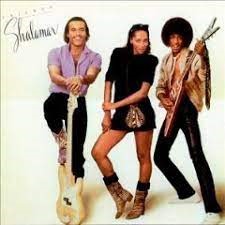
“Friends” stands as the peak of Shalamar’s creative and commercial success. Many fans and critics regard it as their strongest release. Therefore, Shalamar albums reviewed consistently rank it highly.
The album delivers standout hits like “A Night to Remember” and “I Can Make You Feel Good.” These tracks achieved lasting popularity, especially in the UK. As a result, Shalamar became a global force.
Additionally, the production blends funk, soul, and emerging electronic elements. This combination creates a polished and modern sound. Consequently, the album remains influential today.
The trio’s chemistry reaches its highest level across this record. Vocals, arrangements, and performance all align perfectly. When exploring Shalamar albums reviewed, this album often defines their legacy.
Ultimately, “Friends” captures Shalamar at their absolute best. It represents the peak of their classic lineup era.
The Look (1983)
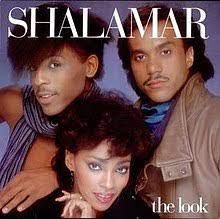
“The Look” marks the final album featuring the classic Shalamar trio. Therefore, Shalamar albums reviewed often treat it as the end of an era.
The album continues the polished R&B and dance sound established earlier. Tracks like “Dead Giveaway” maintain their chart presence. As a result, the group sustained momentum despite internal tensions.
However, subtle shifts in tone reflect changes behind the scenes. Creative differences began influencing the music and direction. Consequently, the album carries a sense of transition.
When analysing Shalamar albums reviewed, this record highlights both strength and instability. It still delivers quality production and memorable songs. Yet, it signals that change is coming.
Overall, “The Look” closes a significant chapter in Shalamar’s history. It captures their final moments as the classic trio.
Heartbreak (1984)

“Heartbreak” introduces a new lineup following major departures. Micki Free and Delisa Davis joined Howard Hewett, reshaping the group’s dynamic. Therefore, Shalamar albums reviewed often note this shift clearly.
The album maintains a strong R&B foundation while adapting to mid-1980s trends. “Dancing in the Sheets” gained major exposure through film and radio. As a result, Shalamar stayed visible despite lineup changes.
Additionally, the production leans toward a more contemporary sound. Synth elements and polished arrangements define the record. Consequently, the album fits well within its era.
When comparing Shalamar albums reviewed, “Heartbreak” represents resilience and adaptation. It proves the group could continue evolving after major changes. Furthermore, it highlights their ability to remain relevant.
In summary, “Heartbreak” keeps Shalamar active in a changing music landscape. It bridges the gap between classic success and later experimentation.
Circumstantial Evidence (1987)
“Circumstantial Evidence” sees Shalamar embracing late 1980s production trends. The album features work from L.A. Reid and Babyface. Therefore, Shalamar albums reviewed often highlight its modern direction.
The sound shifts toward New Jack Swing influences and sharper rhythms. This approach reflects the changing R&B landscape of the time. As a result, the album feels contemporary for its release period.
However, the lineup changes continued to affect group identity. Without the classic trio, the chemistry differs noticeably. Consequently, reception remained more mixed compared to earlier work.
When examining Shalamar albums reviewed, this release shows adaptation rather than dominance. It demonstrates their effort to stay relevant in a competitive market. Furthermore, it adds variety to their catalogue.
Overall, “Circumstantial Evidence” captures a transitional phase. It reflects both ambition and the challenges of reinvention.
Wake Up (1990)
“Wake Up” serves as the final studio album in the Shalamar catalogue. The record leans into 1990s R&B and house influences. Therefore, Shalamar albums reviewed often view it as a closing chapter.
The production embraces contemporary sounds, including electronic beats and dance rhythms. This shift aligns with the evolving music scene of the early 1990s. As a result, the album feels distinct from earlier releases.
However, the absence of the classic trio remains noticeable. The identity that defined their peak years no longer dominates. Consequently, the album did not achieve major commercial success.
When reviewing Shalamar albums reviewed, “Wake Up” represents an attempt to stay current. It shows effort and adaptability, even during decline. Furthermore, it completes the group’s studio journey.
“Wake Up” closes the story of Shalamar’s albums. It reflects both change and legacy within a shifting musical era.
Shalamar’s catalogue tells a clear story of evolution, innovation, and resilience. From studio beginnings to global success, their music shaped the post-disco and early R&B landscape. As these Shalamar albums reviewed show, each release captures a distinct moment in their journey. While the classic trio era remains their peak, later albums still reflect ambition and adaptability. Ultimately, Shalamar’s legacy continues to influence artists and move dancefloors across generations.