

Orchestral Manoeuvres in the Dark built a legacy that defines synth-pop at its most inventive and emotional. From early analogue experiments to polished chart hits, the band shaped electronic music across decades. Moreover, their ability to evolve kept their sound relevant while many peers faded. Today, their live shows still deliver energy and precision, especially during their 2026 UK and European tour dates.
Fans continue to discover new layers in their catalogue, which makes this guide to OMD albums reviewed both timely and essential. Whether you enjoy minimalist synth textures or radio-ready hooks, OMD offer a complete journey through electronic music history.
Who are the members of OMD?
Andy McCluskey and Paul Humphreys formed the creative core of OMD. Meanwhile, Martin Cooper adds saxophone and keyboards, which enrich the live sound. Stuart Kershaw drives the rhythm section with tight, energetic drumming. Together, they create a balanced mix of melody, rhythm, and atmosphere.
What was OMD’s biggest hit?
Many fans point to “Enola Gay” as their defining track due to its global success. However, “If You Leave” gained huge exposure through Pretty in Pink. Therefore, both songs represent different peaks in their career.
Are OMD still touring in 2026?
Yes, OMD remain active performers with a major 2026 summer tour. Notably, they continue to sell out venues across the UK and Europe. Their shows blend nostalgia with modern production, which keeps audiences engaged.
What was OMD’s first album?
Their debut, Orchestral Manoeuvres in the Dark (1980), introduced their raw electronic style. It laid the groundwork for everything that followed.
The Albums
The Classic Era (1980–1983)
Orchestral Manoeuvres in the Dark (1980)
OMD’s debut album delivers a raw and minimalist approach to electronic music. From the start, the band embraces stripped-back production and sharp synth lines. As a result, the record feels urgent and forward-thinking. “Electricity” captures their early vision, blending melody with mechanical rhythm.
Throughout this phase, OMD albums reviewed often highlight the band’s DIY ethos and bold experimentation. Here, that spirit defines every track. Moreover, the album balances pop sensibility with experimental structure, which sets it apart from peers.
Listeners quickly notice the emotional undercurrent beneath the electronic surface. Although the sound feels simple, the song writing carries depth and purpose. Consequently, the album resonates beyond its era.
In addition, the production reflects limited resources, yet it never feels constrained. Instead, it enhances the authenticity of the music. Therefore, this debut stands as a blueprint for synth-pop innovation.
When exploring OMD albums reviewed, this record remains essential listening. It introduces the band’s core identity and fearless creativity.
Organisation (1980)
Released in the same year, Organisation takes a darker and more atmospheric direction. While the debut feels urgent, this album slows the pace and deepens the mood. “Enola Gay” stands out as a defining moment, combining pop structure with serious subject matter.
Within OMD albums reviewed, this album often earns praise for its emotional weight. Furthermore, the band explores themes of history and consequence, which adds depth.
Musically, the arrangements feel richer and more layered. However, they still retain the minimalist edge that defines early OMD. As a result, the album strikes a careful balance between accessibility and experimentation.
Listeners often appreciate the contrast between light melodies and heavy themes. Therefore, the album creates a lasting impression.
Across the broader catalogue, OMD albums reviewed frequently highlight this record as a turning point. It shows growth in song writing and confidence in direction.
Architecture & Morality (1981)

This album represents OMD at their commercial and creative peak. From the opening moments, the production feels expansive and refined. The “Joan of Arc” songs and “Souvenir” define the album’s emotional core.
When discussing OMD albums reviewed, this release consistently ranks among their best. Moreover, the band integrates choral textures with electronic arrangements, creating a unique sound.
Each track builds atmosphere while maintaining strong melodic hooks. As a result, the album appeals to both critics and mainstream audiences.
In addition, the song writing shows clear maturity and focus. Therefore, the album delivers consistency from start to finish.
Across many retrospectives, OMD albums reviewed highlight this record as a benchmark for synth-pop excellence. It remains a defining moment in their career.
Dazzle Ships (1983)

OMD took a bold risk with Dazzle Ships, pushing into experimental territory. Instead of following commercial success, they embraced abstract structures and found sounds.
At release, reactions felt mixed. However, OMD albums reviewed now celebrate its innovation and influence. The album blends radio samples, fragmented melodies, and industrial textures.
Listeners may find the structure challenging at first. Nevertheless, repeated plays reveal intricate detail and intent. Therefore, the album rewards patience and curiosity.
Moreover, the band expands their sonic palette beyond traditional pop frameworks. As a result, they create something entirely distinctive.
Today, OMD albums reviewed often label this album a cult classic. It stands as a testament to artistic courage and creative freedom.
The Pop & US Success Era (1984–1986)
Junk Culture (1984)
With Junk Culture, OMD shift toward a brighter and more accessible sound. While earlier work leaned experimental, this album embraces digital pop production.
Within OMD albums reviewed, this record marks a clear transition. Furthermore, the band refines their song writing for broader appeal.
The rhythms feel sharper and more dance-oriented. Meanwhile, the melodies remain strong and memorable. As a result, the album connects with a wider audience.
Despite the change, OMD retain their identity through thoughtful arrangements. Therefore, the album avoids feeling generic.
Across discussions of OMD albums reviewed, this release stands as a successful reinvention. It balances commercial ambition with creative integrity.
Crush (1985)
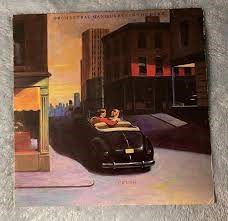
OMD aimed directly at the US market with Crush. Consequently, the production feels polished and radio-friendly. “So in Love” highlights their ability to craft international hits.
Among OMD albums reviewed, this album often divides opinion. However, it achieved strong commercial results.
The songwriting leans toward straightforward pop structures. Meanwhile, the electronic elements support rather than dominate. As a result, the album feels accessible.
Listeners who prefer melodic hooks often appreciate this direction. Therefore, the album maintains relevance within their catalogue.
In many retrospectives, OMD albums reviewed acknowledge this record as a key step in global expansion. It shows their adaptability and ambition.
The Pacific Age (1986)
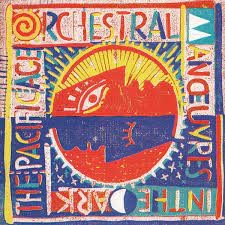
This album continues the polished pop direction while refining the band’s sound. “(Forever) Live and Die” stands as a major highlight.
Within OMD albums reviewed, this record often represents the end of an era. Moreover, it precedes a significant lineup change.
The production feels sleek and consistent throughout. However, some critics note a loss of experimental edge.
Even so, the song writing remains strong and focused. Therefore, the album delivers solid commercial appeal.
Across OMD albums reviewed, this release serves as a closing chapter before a major transition. It captures the final phase of their initial success.
The Andy McCluskey Solo Era (1991–1996)
Sugar Tax (1991)
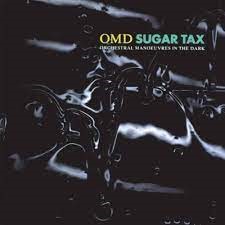
After a break, OMD returned with Sugar Tax under Andy McCluskey’s leadership. The album blends dance-pop with electronic roots.
In OMD albums reviewed, this release often earns recognition as a strong comeback. “Sailing on the Seven Seas” drove its success.
The production reflects early 90s trends while retaining OMD’s identity. As a result, the album feels contemporary yet familiar.
Listeners responded positively to its energy and clarity. Therefore, it re-established the band’s presence.
Across OMD albums reviewed, this album highlights resilience and reinvention. It proves their ability to adapt.
Liberator (1993)
Liberator leans further into electronic dance influences. The sound reflects club culture and euro-dance trends.
Within OMD albums reviewed, this album often receives mixed reactions. However, it showcases experimentation within a new context.
The rhythms feel upbeat and immediate. Meanwhile, the song writing focuses on accessibility. As a result, the album feels energetic.
Some fans prefer earlier styles, yet others appreciate this shift. Therefore, the album holds a unique place.
In broader discussions, OMD albums reviewed include this record as a bold but divisive step.
Universal (1996)
With Universal, OMD move toward a more organic and reflective sound. The album aligns with Britpop-era influences.
Among OMD albums reviewed, this release often gains praise for its song writing depth. “Walking on the Milky Way” stands out.
The arrangements feel warmer and less electronic. However, they still carry OMD’s signature style.
Listeners often note the emotional tone throughout the album. Therefore, it resonates on a different level.
Across OMD albums reviewed, this record marks a thoughtful conclusion to this phase.
The Reformation Era (2010–Present)
History of Modern (2010)
The original line up reunited for History of Modern, bringing renewed energy. The album reconnects with classic OMD elements.
Within OMD albums reviewed, this release signals a successful return. Moreover, it balances nostalgia with modern production.
The song writing feels confident and cohesive. As a result, the album appeals to long time fans and new listeners.
Across discussions, OMD albums reviewed highlight this album as a strong comeback statement.
English Electric (2013)
OMD revisited experimental ideas with English Electric. The album echoes the spirit of Dazzle Ships.
In OMD albums reviewed, this release often earns critical praise. Furthermore, it blends concept-driven themes with strong melodies.
The production feels detailed and layered. Therefore, the album rewards close listening.
Across OMD albums reviewed, it stands as one of their strongest modern works.
The Punishment of Luxury (2017)
This album delivers sharp commentary with a refined electronic sound. The influence of Kraftwerk becomes more pronounced.
Within OMD albums reviewed, critics often highlight its political themes. Moreover, the production feels precise and focused.
The band combines message with melody effectively. Therefore, the album maintains engagement throughout.
Across OMD albums reviewed, this record reflects maturity and relevance.
Bauhaus Staircase (2023)
OMD’s latest album presents a confident and reflective closing chapter. The sound blends modern production with classic influences.
Among OMD albums reviewed, this release stands as a late-career highlight. Furthermore, it captures their enduring creativity.
The song writing feels focused and intentional. As a result, the album resonates strongly.
With ongoing 2026 performances, the band continues to bring these songs to life. Therefore, their legacy remains active and evolving.
Across all OMD albums reviewed, this final entry reinforces their lasting impact on electronic music.
OMD’s journey from raw synth experiments to refined electronic pop shows a rare ability to evolve without losing identity. Across every era, they balanced innovation with melody, which keeps their catalogue relevant today. As this guide to OMD albums reviewed shows, each release adds a new layer to their story. Moreover, their continued success on stage in 2026 proves their music still connects with audiences. Whether you prefer early minimalism or later polish, OMD offer something lasting. Ultimately, OMD albums reviewed reveals a band that shaped synth-pop and continues to influence new generations.
Go and see them if you get the chance. OMD Official site
(this is not a sponsored link)