

The 1990s weren’t just about hit singles; the decade produced genre-defining albums that shaped modern DJing. For a professional DJ service that curates bespoke soundtracks for weddings and corporate events across London and Kent, these albums are more than just nostalgic collections. They are blueprints for masterful set construction, thoughtful energy shifts, and intentional mood creation. The distinct sounds of many 90s electronic tracks were shaped by powerful synthesisers, and insights into instruments like the Nord Stage 4 can shed light on the sonic palettes explored.
This list moves beyond the obvious choices to explore 12 essential albums of the 1990s that offer invaluable lessons in production, programming, and performance. We’ll examine why each record matters, offer actionable tips for integrating specific tracks into your sets, and provide guidance on sourcing these classics on vinyl, CD, or digital formats, with a focus on UK availability.
You will learn not just what to play, but how these albums can inform your approach to building a set. We provide practical advice for every record, including:
- Key Tracks for Events: Specific songs perfect for a relaxed drinks reception, a high-energy dance floor, or a sophisticated corporate gathering.
- Sourcing Your Copy: Actionable tips on where to find original vinyl pressings, CD copies, and high-quality digital files in the UK, from local record shops in London to online marketplaces.
- Why It Matters: A concise look at the album’s impact and the techniques you can borrow for your own sets.
Prepare to dig deeper into the records that built modern DJ culture and learn how they can elevate your own sets from a simple playlist to an unforgettable experience.
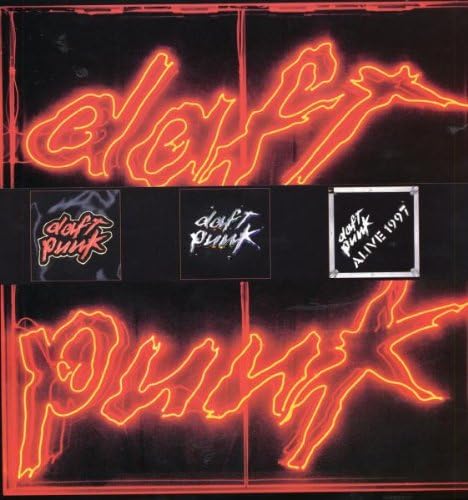
1. Daft Punk – Homework (1997)
Few albums from the 1990s managed to rewrite the rules of dance music quite like Daft Punk’s debut, Homework. Released in 1997, it was a raw, muscular, and brilliantly constructed record that became the definitive statement of the ‘French Touch’ movement. Guy-Manuel de Homem-Christo and Thomas Bangalter fused the energy of techno with the soulful grooves of disco and funk, creating a sound that was both gritty and infectious, making it one of the essential albums of the 1990s.
This album is not just a collection of tracks; it is a masterclass in production, built on meticulously layered samples and relentless rhythms. Tracks like ‘Da Funk’ and ‘Around the World’ are iconic for their hypnotic repetition and undeniable groove, making them indispensable tools for any DJ.
Why It Matters
Homework acts as a crucial bridge between classic funk and modern electronic music. Its influence can be heard across genres, showing how producers could repurpose the past to create something entirely new for the dance floor. For a deeper dive into their work, you can explore the complete Daft Punk discography to understand their full artistic journey.
Sourcing & Availability
- Vinyl: The original 1997 double LP is a collector’s prize. Thankfully, multiple reissues are available, making it accessible for modern collectors. Check specialist record shops in London or online marketplaces like Discogs.
- CD & Streaming: Homework is widely available on CD and all major streaming platforms, ensuring easy access for any event or listening session.

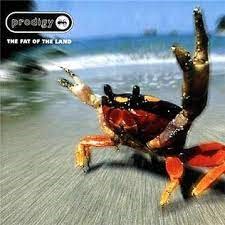
2. The Prodigy – The Fat of the Land (1997)
No album dragged electronic music into the mainstream spotlight with as much aggressive force as The Prodigy’s The Fat of the Land. Released in 1997, it was a breakbeat-fuelled juggernaut that proved dance music could headline stadiums. Liam Howlett, Keith Flint, and Maxim Reality created a sound that was raw, confrontational, and wildly popular, cementing their place among the most important acts with one of the definitive albums of the 1990s.
This record is a masterwork of high-octane production, blending punk attitude with big beat and rave energy. Tracks like ‘Firestarter’ and ‘Breathe’ became global anthems, their menacing vocals and heavy, distorted basslines creating an intense atmosphere perfect for peak-time DJ sets. The album’s sample-heavy approach set a new standard for high-energy programming.
Why It Matters
The Fat of the Land demonstrated that electronic music could be as commercially powerful and culturally significant as rock ‘n’ roll. Its success provided a template for DJs looking to push boundaries with intense, impactful tracks while maintaining dancefloor control. Use tracks sparingly for maximum effect; ‘Firestarter’ is guaranteed ignition, while deeper cuts can build incredible tension before a big reveal.
Sourcing & Availability
- Vinyl: Original 1997 pressings on the XL Recordings label are highly sought after. Several reissues, including recent anniversary editions, are more readily available and offer excellent sound quality. Specialist shops like Sister Ray in London often stock copies.
- CD & Streaming: The album is widely available on CD and all major streaming services, making it easy to add its raw power to any playlist or event.
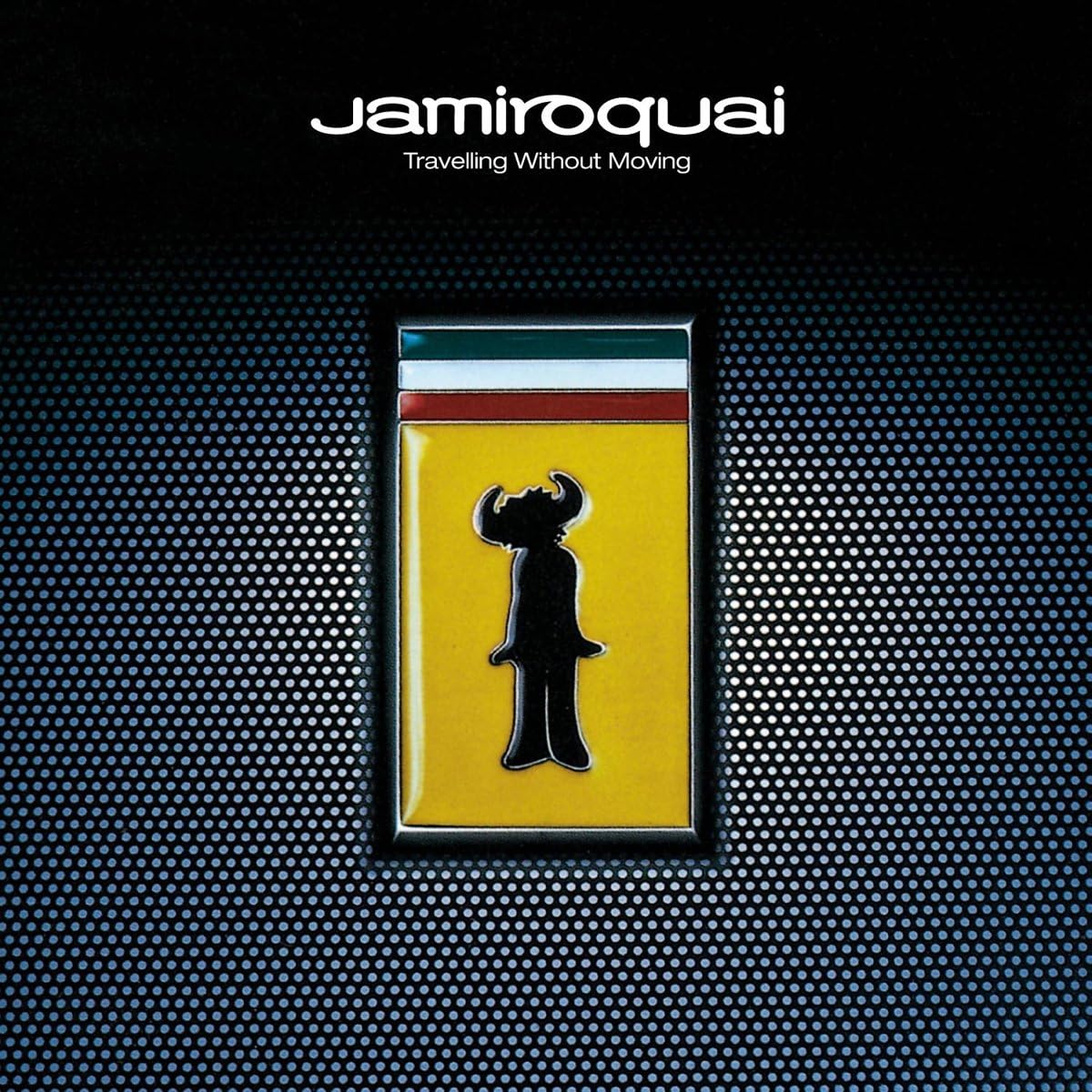
3. Jamiroquai – Travelling Without Moving (1996)
Jamiroquai’s third album, Travelling Without Moving, captured the vibrant intersection of acid jazz, funk, and soul, cementing itself as one of the most stylish albums of the 1990s. Released in 1996, it masterfully blended live instrumentation with subtle electronic textures, proving that dance music could be both organic and polished. Jason Kay’s charismatic vocals and the band’s tight grooves created a sound that felt both classic and contemporary, appealing to audiences far beyond the UK’s acid jazz scene.
This record is a testament to musicianship, delivering infectious energy through sophisticated arrangements. Tracks like ‘Virtual Insanity’ and ‘Alright’ are prime examples of its appeal, combining memorable hooks with deep, danceable basslines. The album maintains a cohesive feel, making it perfect for creating a sustained, elegant atmosphere at any event, from a lively cocktail hour to a sophisticated dinner service. Its production bridges the gap between different musical eras with grace.
Why It Matters
Travelling Without Moving is a key example of how 1990s artists honoured the legacy of funk and soul while embracing modern production. For event DJs, it offers a perfect way to introduce a dance-friendly feel without alienating guests who prefer live music. Its tracks serve as excellent bridges between different genres and energy levels, from laid-back lounge sets to peak-hour dancefloor moments.
Sourcing & Availability
- Vinyl: The original 1996 pressing is highly sought after. Thankfully, a 25th-anniversary yellow vinyl reissue was released in 2021, making it much easier to find at specialist UK record shops or online via Discogs.
- CD & Streaming: The album is readily available on CD and all major streaming services, ensuring it’s an accessible choice for any playlist or digital collection.
4. Massive Attack – Mezzanine (1998)
Few albums captured the brooding, anxious atmosphere of the late 1990s like Massive Attack’s Mezzanine. Released in 1998, this landmark trip-hop record pushed the Bristol sound into darker, more cinematic territory. Robert Del Naja, Grant Marshall, and Andrew Vowles crafted a dense, paranoid, and emotionally heavy soundscape, proving electronic music could convey profound depth and mystery, making it one of the most essential albums of the 1990s.
This album is a masterclass in atmospheric production, built on distorted guitars, claustrophobic basslines, and haunting vocals from guests like Elizabeth Fraser and Horace Andy. Tracks such as ‘Teardrop’ and ‘Angel’ are iconic for their slow-burning intensity, making them perfect for building tension or providing a sophisticated backdrop for corporate events and brand launches.
Why It Matters
Mezzanine demonstrated how detailed production could elevate music beyond simple energy management, creating a complete emotional arc. Its influence is felt in film scores and atmospheric electronica, showing how downtempo tracks can be used to control a room’s mood. For more on how electronic artists build lasting legacies, you can explore the Faithless discography for a different perspective on the era.
Sourcing & Availability
- Vinyl: The original 1998 double LP is highly sought after. A 20th-anniversary reissue from 2018 is more accessible and often available from UK record shops like Rough Trade or online marketplaces.
- CD & Streaming: Mezzanine is widely available on CD and all major streaming platforms, making its cinematic sound easy to incorporate into any sophisticated DJ set or personal listening session.
5. Fatboy Slim – You’ve Come a Long Way, Baby (1998)
Norman Cook’s second album as Fatboy Slim, You’ve Come a Long Way, Baby, was a true big beat landmark that captured the euphoric energy of the late 90s. Released in 1998 on Skint Records, it blended infectious funk, soul, and hip-hop samples with explosive breakbeats, proving that dance music could dominate the charts without sacrificing its credibility. It is one of the most commercially successful and culturally significant albums of the 1990s.
The album’s genius lies in its accessibility. Cook masterfully chopped and rearranged instantly recognisable hooks into high-energy anthems. Tracks like ‘The Rockafeller Skank’ and ‘Praise You’ became inescapable, creating a global phenomenon and providing DJs with sure-fire tools for any party. The record’s sound represents a perfect balance of mainstream appeal and underground production techniques.
Why It Matters
This album demonstrated how a DJ could honour musical foundations while pushing electronic boundaries. Its success brought big beat to a massive audience, solidifying the idea that sample-based music could be both an art form and a commercial powerhouse. For any DJ, it’s a masterclass in building a set that connects with a broad crowd while retaining artistic depth.
Sourcing & Availability
- Vinyl: The original 1998 pressing is highly sought-after. Reissues are widely available and offer excellent sound quality for both collectors and working DJs. Look for copies at independent shops like those in London’s Soho or on Discogs.
- CD & Streaming: The album is readily available on CD and across all major streaming services, making it easy to add its iconic tracks to any digital playlist or DJ set.
6. Underworld – Second Toughest in the Infants (1996)
Released in 1996, Second Toughest in the Infants is an exemplary work of electronic music that demonstrated how techno could possess both emotional depth and artistic integrity. Underworld (Karl Hyde and Rick Smith) crafted an album that flows as a continuous piece, blending ambient textures, driving rhythms, and poetic, stream-of-consciousness lyrics. This record solidified their status in the UK’s electronic underground and stands as a high point for intelligent dance music, making it one of the vital albums of the 1990s.
The production is a masterclass in sound design and arrangement, rewarding patient listening. While the album is famously associated with its closing track, ‘Born Slippy .NUXX’ (popularised by the film Trainspotting), the entire record is a cohesive journey. The sprawling, atmospheric build of tracks like ‘Pearls Girl’ or the propulsive energy of ‘Juanita: Kiteless: To Dream of Love’ are perfect for DJs wanting to create a sophisticated, evolving atmosphere.
Why It Matters
Second Toughest in the Infants showed that dance music could be album-focused, offering a rich listening experience beyond single tracks. Its influence helped DJs and producers realise the potential of long-form arrangements to build sustained energy and mood on the dance floor, creating credibility while remaining accessible.
Sourcing & Availability
- Vinyl: The original 1996 vinyl is highly sought after. A 2015 deluxe reissue expanded the album to a 4-LP box set, which is a fantastic collector’s item. Check online marketplaces or specialist shops like Phonica Records in London.
- CD & Streaming: The album is widely available on CD, often in expanded editions with B-sides. It is also accessible on all major streaming services for immediate listening.
7. Portishead – Dummy (1994)
Few albums defined a genre as completely as Portishead’s debut, Dummy. Released in 1994, it became the high-water mark for the Bristol trip-hop scene, weaving together noir film aesthetics, haunting soul samples, and downtempo grooves. Beth Gibbons’ desolate vocals, combined with the atmospheric production of Geoff Barrow and Adrian Utley, created a sound that was profoundly melancholic and beautiful, making it one of the most distinctive albums of the 1990s.
This record is a masterclass in mood and texture, where every crackle of vinyl and ghostly sample contributes to its cinematic feel. Tracks like ‘Sour Times’ and ‘Glory Box’ are perfect examples of its power, blending live instrumentation with sampled loops to create something entirely new. For DJs, it offers an essential tool for creating a sophisticated atmosphere, ideal for lounge sets, dinner service at weddings, or dedicated chillout zones in larger venues.
Why It Matters
Dummy demonstrated how electronic music could convey deep emotional complexity and artistic seriousness. It provided a crucial counterpoint to the high-energy dance music of the era, offering a blueprint for creating atmospheric and introspective soundscapes. The album’s influence is widespread, showing how mood-setting can elevate an event experience beyond simple entertainment.
Sourcing & Availability
- Vinyl: The original 1994 Go! Beat pressing is highly sought-after. Several high-quality reissues have been released since, which are more readily available. Try specialist shops like Phonica Records in London or online via Discogs.
- CD & Streaming: Dummy is easily found on CD and is a staple on all major streaming services, making its atmospheric genius accessible for any occasion.

8. Chemical Brothers – Dig Your Own Hole (1997)
Released in 1997, Dig Your Own Hole is the quintessential big beat album and a monumental achievement in electronic music. The Chemical Brothers, Ed Simons and Tom Rowlands, delivered a masterpiece that balanced enormous, stadium-sized hooks with genuine underground credibility. This record proved that electronic artists could command the album format with the same artistic vision as rock bands, cementing their place as one of the most important acts producing albums of the 1990s.
This album is a masterclass in controlled chaos, blending heavy breakbeats, psychedelic samples, and screeching acid lines. Tracks like the explosive ‘Block Rockin’ Beats’ became instant anthems, their raw power guaranteed to ignite any dance floor. ‘Elektrobank’ offers a sustained, high-octane journey perfect for peak-time moments, while collaborations with Noel Gallagher and Beth Orton add both star power and melodic depth.
Why It Matters
Dig Your Own Hole was a cultural phenomenon that took the raw energy of club music to a mainstream audience without losing its edge. It demonstrated how intelligent production and genre-blending could create a distinctive and powerful sound, with its sophisticated sequencing principles offering a blueprint for professional DJ programming. Its success showed how electronic music could be both critically acclaimed and commercially massive. To explore other key records from this era, check out this guide to ten of the best albums from the 1990s.
Sourcing & Availability
- Vinyl: Original 1997 pressings are highly sought-after. Several high-quality reissues exist and are more accessible for collectors. Check Rough Trade or specialist shops in Manchester and Bristol, as well as online marketplaces.
- CD & Streaming: The album is widely available on CD and all major streaming services, making it easy to add these big beat classics to any playlist or DJ set.
9. Leftfield – Leftism (1995)
Released in 1995, Leftism is a monumental work of electronic music that demonstrated how the genre could be both intellectually rigorous and deeply emotive. Neil Barnes and Paul Daley crafted an album that seamlessly blended techno, dub, and house with compelling vocal performances, setting a new standard for what a dance album could achieve. It stands as one of the most essential albums of the 1990s for its fusion of underground credibility and mainstream appeal.
The album is a journey through diverse sonic landscapes, from the brooding intensity of ‘Release the Pressure’ to the epic, sprawling construction of ‘Song of Life’. Featuring a notable appearance from John Lydon on ‘Open Up’, Leftism proved that electronic music could carry powerful, distinctive voices without sacrificing its core identity, rewarding listeners who appreciate intelligent production.
Why It Matters
Leftism brought a new level of sophistication to British dance music, bridging the gap between club culture and home listening. Its intricate layering and thoughtful arrangements showed that electronic tracks could have the depth and longevity of traditional rock or soul albums. For a DJ, playing a cut from this record signals a deep appreciation for the genre’s history and an understanding of musically sophisticated audiences.
Sourcing & Availability
- Vinyl: The original 1995 pressings are highly sought-after. A 2017 reissue and other subsequent releases are more readily available through online stores like Discogs or at specialist record shops such as Phonica Records in London.
- CD & Streaming: Leftism is easily found on CD and is a staple on all major streaming services, making its influential sound accessible for any event or deep listening session.
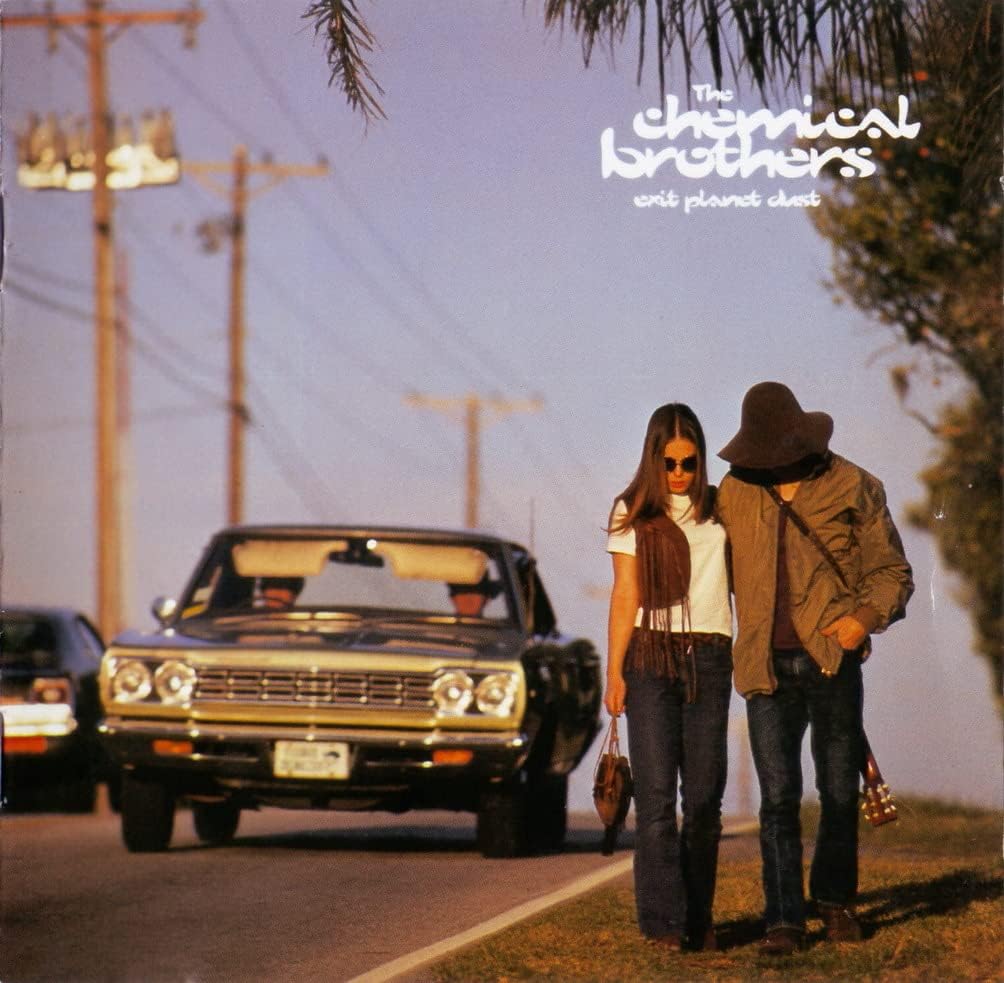
10. The Chemical Brothers – Exit Planet Dust (1995)
The Chemical Brothers’ debut album, Exit Planet Dust, detonated onto the scene in 1995, establishing Tom Rowlands and Ed Simons as architects of a new, muscular electronic sound. This was the moment big beat became a legitimate force, blending rock swagger, hip-hop breaks, and psychedelic textures into a cohesive, high-energy experience. The record proved that electronic producers could command the same main-stage energy as any rock band, making it one of the landmark albums of the 1990s.
Exit Planet Dust is a masterclass in sonic aggression and intelligent design. Tracks like ‘Leave Home’ and ‘Song to the Siren’ are pure dancefloor fuel, built on punishing beats and mind-bending samples. This album showed how DJs could bridge genres, mixing funk and rock into electronic sets to create something truly powerful for any audience.
Why It Matters
This album cemented electronic music’s credibility beyond the club scene. It demonstrated that intricate production and raw energy could coexist, giving DJs a blueprint for creating sets that were both physically compelling and artistically deep. For any event organiser or music enthusiast, it serves as a crucial document of 90s innovation.
Sourcing & Availability
- Vinyl: The original 1995 pressing is a sought-after item. Reissues from 2016 and later are more common and offer excellent sound quality. Look for copies at independent shops like those in London’s Soho or on marketplaces such as Discogs.
- CD & Streaming: Exit Planet Dust is readily available on CD and all major streaming services, making it easy to add its raw power to your collection or party playlist.
11. Armand Van Helden – A State of Funky Discontent (1996)
Armand Van Helden’s A State of Funky Discontent is a masterwork of house and funk fusion, proving that 1990s electronic producers could honour deep soul traditions while using modern production. Released in 1996, the album is a testament to the art of sampling, showing how classic sounds could be respectfully reshaped for a new generation of clubbers. It stands as a key record among the albums of the 1990s for its ability to bridge musical eras with style and substance.
The album is a cohesive journey through deep, filtered house, built on a foundation of expertly chosen funk and soul samples. Van Helden’s production demonstrates a profound understanding of his source material, celebrating the original artistry rather than simply exploiting it. This approach gives tracks a timeless quality, perfect for sophisticated DJs aiming to deliver contemporary dancefloor appeal while paying homage to music’s rich heritage. Tracks like ‘Funky Sensation’ provide accessible energy without sacrificing credibility.
Why It Matters
This album is a crucial example of how to build sustained energy without losing musical integrity. It showed the burgeoning house scene that production could be both a tribute and an innovation. For DJs, it’s a playbook on creating cohesive sets that educate and entertain, mixing recognisable tracks with deeper cuts for an audience that appreciates musical depth.
Sourcing & Availability
- Vinyl: The original 1996 pressing on labels like Renaissance and Strictly Rhythm is highly sought after. Finding a copy requires patience, so check specialist vinyl shops in London or marketplaces like Discogs, where conditions vary.
- CD & Streaming: The album is less common on streaming platforms than Van Helden’s later work, making a CD or digital purchase a more reliable way to secure it for your collection.
12. Groove Armada – Everyones a DJ (1999)
Groove Armada’s 1999 two-disc compilation, Everyones a DJ, is less a conventional artist album and more a masterclass in professional DJ curation. Released through Positiva Records, this set from Tom Findlay and Andy Cato demonstrates how producers can construct an extended musical journey that balances sophistication with mainstream appeal. It became a key document of the UK’s progressive house scene and stands as one of the essential albums of the 1990s for its insights into set architecture.
The release is structured to guide a listener through different energy levels, with disc one offering accessible, early-evening grooves before disc two dives into sustained, peak-time energy. This thoughtful sequencing offers an invaluable lesson in pacing and mood management, making it essential learning material for any aspiring professional DJ.
Why It Matters
Everyones a DJ is a practical blueprint for building a DJ set. It teaches the art of journey-building, showing how to place tracks contextually to create a cohesive experience over an extended period. Aspiring DJs can study its sequencing and apply the same principles of mood architecture to their own custom sets.
Sourcing & Availability
- Vinyl: The original double LP is a sought-after piece from the late 90s. Finding a copy in good condition may require searching online marketplaces like Discogs or visiting specialist second-hand record shops in cities like Brighton or Manchester.
- CD & Streaming: The two-disc CD set is the most common format and is relatively easy to find. The album is also available on major streaming platforms, making its lessons in set-building accessible to all.
12-Album Comparison: 1990s Electronic Classics
| Album | Implementation Complexity 🔄 | Resource Requirements ⚡ | Expected Outcomes 📊 | Ideal Use Cases 💡 | Key Advantages ⭐ |
|---|---|---|---|---|---|
| Daft Punk – Homework (1997) | Moderate — requires tempo/sample management | Good PA; instrumentals/stems helpful | Strong peak-floor response; cross-generational appeal | Weddings, parties, peak-time club sets | Timeless grooves; genre-defining French Touch |
| The Prodigy – The Fat of the Land (1997) | High — demands precise crowd-reading and placement | Powerful sound system; experienced DJ | Immediate high-energy impact; stadium-level intensity | Festivals, peak-time club moments, youth-focused events | Aggressive, attention-commanding energy |
| Jamiroquai – Travelling Without Moving (1996) | Low–Moderate — sequencing and tasteful placement | High-fidelity system to showcase live instrumentation | Sophisticated, danceable atmosphere; broad appeal | Elegant events, weddings, cocktail hours | Live-instrument feel; polished, soulful grooves |
| Massive Attack – Mezzanine (1998) | Moderate — careful sequencing for atmosphere | Excellent audio to reveal texture and depth | Cinematic, emotionally resonant ambiance | VIP lounges, late-night sets, branded activations | Deep atmosphere; meticulous production detail |
| Fatboy Slim – You’ve Come a Long Way, Baby (1998) | Moderate — pacing to avoid listener fatigue | Robust PA; segmentation tools for set building | Consistent crowd energy; wide mainstream appeal | Clubs, festivals, high-energy segments | Accessible anthems with production credibility |
| Underworld – Second Toughest in the Infants (1996) | High — long builds and technical arrangements | Quality system; time for full-track builds | Sustained intelligent energy; underground credibility | Techno nights, late-night club programming | Complex sound design; enduring artistic depth |
| Portishead – Dummy (1994) | Moderate — mood-aware sequencing required | Good sound in intimate spaces | Distinctive emotional atmosphere; refined aesthetic | Cocktail hours, lounge areas, intimate events | Noir trip-hop mood; timeless sophistication |
| Chemical Brothers – Dig Your Own Hole (1997) | Moderate–High — anthem placement and pacing | Powerful PA; skilled DJ for peak moments | Strong crowd escalation; cross-demographic appeal | Peak sets, festivals, multi-generational events | Anthemic energy with production sophistication |
| Leftfield – Leftism (1995) | High — experimental elements need thoughtful curation | High-quality audio; considered programming time | Artistic credibility; emotionally driven sets | Curated showcases, sophisticated club nights | Vocal collaborations; layered emotional arcs |
| The Chemical Brothers – Exit Planet Dust (1995) | Moderate–High — aggressive sound needs pacing | Robust PA; experienced selector | Establishes dancefloor legitimacy; youthful impact | High-energy club nights, credibility-building sets | Pioneering big-beat energy; lasting freshness |
| Armand Van Helden – A State of Funky Discontent (1996) | Low–Moderate — steady house sequencing | Standard PA; suited to long sets | Sustained dancefloor flow; wide appeal | House nights, long DJ sets, parties | Respectful sampling; reliable dancefloor grooves |
| Groove Armada – Everyones a DJ (1999) | Moderate — requires two-disc sequencing awareness | Versatile setup; time commitment for full playthrough | Demonstrates set architecture; varied moods across timeslots | Learning DJs, early-evening to peak transitions | Excellent template for pacing and narrative structure |
Integrating the ’90s: Building Your Gold Standard Collection
Our journey through these twelve essential albums of the 1990s reveals more than just a list of influential records; it uncovers a blueprint for creating truly memorable musical experiences. From the raw, aggressive energy of The Prodigy’s The Fat of the Land to the sophisticated, downbeat textures of Portishead’s Dummy, each album offers a masterclass in sonic architecture. They demonstrate how to build and release tension, blend genres without losing identity, and capture a specific mood that can define an entire event.
The real value for any DJ, event planner, or music enthusiast lies in understanding the DNA of these works. They are not merely nostalgic throwbacks but functional tools. The intricate layers in a track like Underworld’s “Born Slippy .NUXX” teach us about building atmospheric crescendos, a skill vital for transitioning between different phases of a corporate event or wedding reception. Similarly, the infectious funk-infused grooves of Jamiroquai and Armand Van Helden provide a perfect template for injecting life and movement onto the dance floor at a private party. These records are the foundation of modern electronic and dance music, and mastering their lessons is what separates a good DJ from a great one.
Actionable Steps for Building Your Collection
Sourcing these classics is a rewarding pursuit in itself. The 1990s was a peak era for the Compact Disc, but many of these foundational albums have received high-quality vinyl reissues. These modern pressings often provide superior audio fidelity and durability, making them an excellent starting point for any collection.
Here’s a practical approach to acquiring these gems:
- Start with Reissues: Check specialist online retailers and major record stores for recent reissues of albums like Mezzanine or Homework. These are often pressed on 180-gram vinyl and remastered for today’s sound systems.
- Explore Local Record Shops: For authentic first pressings or rarer finds, nothing beats visiting physical stores. London has a wealth of options, from well-known spots in Soho to hidden treasures in areas like Brixton and Camden. Building a relationship with shop owners can also give you first dibs on new arrivals.
- Use Online Marketplaces: Websites like Discogs are indispensable for tracking down specific pressings. You can filter by condition, price, and seller location to find the exact version you’re looking for. Be sure to check seller ratings and read descriptions carefully.
- Manage Your Growing Collection: As you accumulate more records, you might find yourself with duplicates or albums that no longer fit your direction. Learning how to sell old records is a practical skill for any serious collector, allowing you to refine your library and fund new acquisitions.
Ultimately, curating a collection of the best albums of the 1990s is about more than just ownership; it’s about deep listening and application. It’s about internalising the lessons in arrangement, production, and energy flow that these artists perfected. By doing so, you equip yourself with the knowledge to craft bespoke, unforgettable soundtracks for any occasion, whether it’s an elegant wedding in Kent or a high-octane brand launch in Central London. These records provide the vocabulary for telling a compelling musical story, one that resonates with audiences and creates lasting memories.
Ready to put these timeless sounds into practice? At VinylGold, we provide the professional-grade turntables, mixers, and sound systems needed to do justice to these classic albums. Explore our curated selection of DJ equipment and discover the gear that will help you deliver an exceptional audio experience, every time. Visit VinylGold to build your ultimate setup.