
AC/DC stands as the undisputed gold standard of hard rock. Few bands have matched their raw power, consistency, or sheer longevity. Whether you’re a lifelong fan or a curious newcomer, this guide covers everything you need to know.
Before We Dive In: The Essential AC/DC Questions Answered
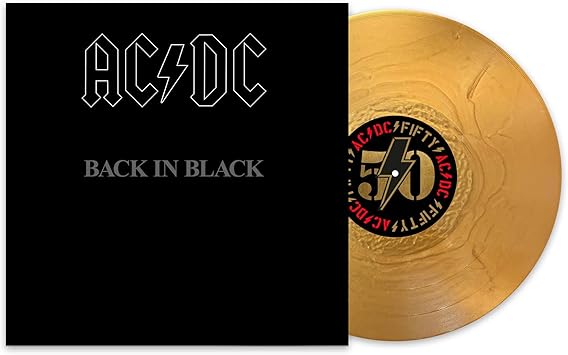
What is AC/DC’s best-selling album? Back in Black holds that title by a staggering margin, with over 50 million copies sold worldwide. Released in 1980, it remains one of the best-selling albums in music history — sitting just behind Michael Jackson’s Thriller. Its iconic opening riff is instantly recognisable to people who have never even considered themselves rock fans. The album’s commercial dominance is a testament to AC/DC’s ability to craft music that transcends genre boundaries and reaches listeners across generations. Decades after its release, Back in Black still sells consistently, appears in films, TV shows, and sports arenas, and continues to introduce new listeners to the band. It is not merely AC/DC’s best-selling record — it is one of the defining albums of the 20th century.
Who was the original singer of AC/DC? Dave Evans holds the distinction of being AC/DC’s original vocalist, fronting the band briefly after their formation in Sydney in 1973. However, it was Bon Scott who truly defined the band’s early identity. Scott joined in 1974 and brought a wild, charismatic energy that became inseparable from AC/DC’s character. His larrikin personality, blues-soaked rasp, and razor-sharp lyrical wit turned AC/DC into something genuinely dangerous and exciting. Tragically, Scott died in February 1980, leaving behind a legacy that continues to resonate. Among rock enthusiasts, Bon Scott is widely regarded as one of the greatest frontmen in rock history — not just AC/DC’s history, but the broader canon of rock and roll.
Is AC/DC still making music? Absolutely. AC/DC released Power Up in November 2020, their seventeenth studio album and a deeply emotional tribute to rhythm guitarist Malcolm Young, who passed away in 2017. The album debuted at number one in multiple countries and proved the band still had fire in the tank. Since then, AC/DC has returned to touring — their Power Up Tour ran through 2024 and into 2025, including major stadium dates across Europe and North America. As of 2026, no new album has been officially announced, but the band has shown no signs of retiring. AC/DC continues to be one of the most in-demand live acts on the planet.
What does AC/DC stand for? The name AC/DC stands for Alternating Current/Direct Current — the electrical terms found on the back of a sewing machine, which inspired sisters Margaret and Georgie Young to suggest the name to their brothers Angus and Malcolm. The band officially formed in Sydney, Australia, in 1973. The name was chosen to reflect the band’s raw power and high-voltage energy — a metaphor that has proven remarkably apt over five decades of music. Some people have misread the name as a reference to sexual ambiguity, but AC/DC have always maintained the electrical origins of the name. It is a fitting title for a band whose music genuinely feels like a surge of electric current.
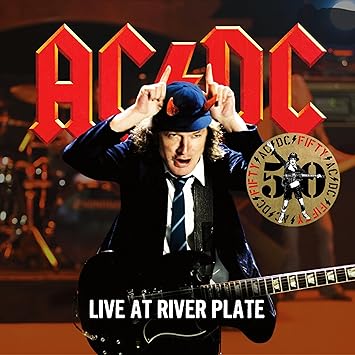


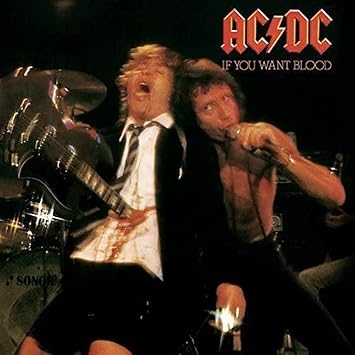

The Bon Scott Era (1975–1979)
High Voltage (1975 – AUS / 1976 – International)
High Voltage marked the beginning of AC/DC’s assault on the world. The Australian release arrived in 1975, though international audiences didn’t encounter it until 1976. Even in its raw, unpolished state, the album crackled with personality. AC/DC drew heavily from their blues influences here, channelling Chuck Berry and early British rock into something rougher and more visceral. Bon Scott’s vocals already sounded like they’d been marinated in whiskey and mischief. Meanwhile, Angus Young’s guitar work signalled that something genuinely different was arriving. The production was admittedly rough around the edges — but that scrappiness was part of its charm. Songs like She’s Got Balls and Little Lover established the band’s cheeky lyrical sensibility. Additionally, the album gave the world its first taste of the riff-driven, groove-heavy formula AC/DC would perfect over subsequent years. It wasn’t flawless, but it was unmistakably, brilliantly AC/DC.
- Best Riffs: She’s Got Balls, Little Lover
- Fun Fact: The international version combined tracks from both High Voltage and T.N.T.
T.N.T. (1975 – AUS Only)
T.N.T. was an Australian-only release, yet it proved enormously significant in shaping AC/DC’s identity. Released in December 1975, it arrived just months after High Voltage and showed the band already tightening their sound. The title track remains one of AC/DC’s most enduring anthems, with its gang-chant chorus and irresistible stomp. Similarly, It’s a Long Way to the Top (If You Wanna Rock ‘n’ Roll) became a cultural touchstone — complete with bagpipes, an instrument no one expected to work in a hard rock song, yet somehow it did. Furthermore, Rocker demonstrated Angus Young’s ability to channel pure, unfiltered energy into two-and-a-half minutes of chaos. The rhythm section locked in tight, giving Malcolm Young’s rhythm guitar a platform to do what it did best — drive the song relentlessly forward. T.N.T. established that AC/DC weren’t a fluke. They were the real thing.
- Best Riffs: T.N.T., It’s a Long Way to the Top
- Fun Fact: The bagpipes on It’s a Long Way to the Top were played by Bon Scott himself.
Dirty Deeds Done Dirt Cheap (1976)
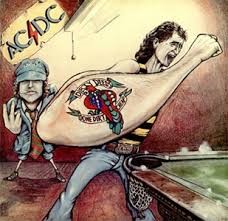
Dirty Deeds Done Dirt Cheap is where AC/DC leaned into their darkly comic side. Released in 1976, the album took the band’s mischievous lyrical sensibility and cranked it up. The title track offered a deadpan, tongue-in-cheek hitman narrative that was equal parts threatening and hilarious. Bon Scott was in superb form throughout, deploying his vocal range with sly precision. Moreover, Big Balls demonstrated that AC/DC could be absurdly juvenile and musically brilliant simultaneously. Problem Child added a harder, more menacing edge to the mix. The production, handled by Harry Vanda and George Young, kept things appropriately raw. Interestingly, the album wasn’t released in the United States until 1981, by which point AC/DC were already global superstars. Consequently, American audiences discovered these tracks almost as a revelation — a glimpse into who AC/DC had been before Back in Black redefined them. It remains a fan favourite for good reason.
- Best Riffs: Dirty Deeds Done Dirt Cheap, Problem Child
- Fun Fact: The album wasn’t released in the US until 1981, after the massive success of Back in Black.
Let There Be Rock (1977)
Let There Be Rock is the album where AC/DC found their true power. Released in 1977, it stripped away any remaining pop sensibility and replaced it with pure, unrelenting voltage. The title track alone — over five minutes of escalating guitar fury — stands as one of the greatest rock performances ever recorded. AC/DC built the song methodically, Angus Young’s solo expanding outward like a controlled explosion. Furthermore, Whole Lotta Rosie gave the band an undeniable anthem, its thundering riff and Bon Scott’s magnetic delivery making it a live staple for decades. Equally important, Bad Boy Boogie demonstrated the band’s deep blues roots beneath their hard rock exterior. The production here was tighter than previous efforts, giving each instrument room to breathe. Harry Vanda and George Young delivered a crisp, powerful sound that finally matched the band’s ambitions. Simply put, Let There Be Rock is AC/DC at their most elemental and thrilling.
- Best Riffs: Let There Be Rock, Whole Lotta Rosie
- Fun Fact: The title track features one of rock’s most celebrated extended guitar solos.
Powerage (1978)
Powerage is the album AC/DC fans call their secret weapon. Released in 1978, it sits slightly outside the spotlight cast by Back in Black and Highway to Hell, yet it rivals both in quality. AC/DC delivered a record of remarkable consistency here — there are no weak tracks and no filler. Gimme a Bullet offered something subtler and more reflective than usual. Additionally, Sin City remains one of the band’s most atmospheric songs, its slow-burning groove practically dripping with menace. Riff Raff opened the album with a charging, relentless energy that set the tone perfectly. Moreover, the rhythm work from Malcolm Young on this record was arguably his finest hour — each chord landed with purpose and precision. The production felt grittier than its predecessor, and all the better for it. For anyone seriously exploring AC/DC’s catalogue, Powerage is absolutely essential listening. Many long-term fans consider it their finest moment.
- Best Riffs: Sin City, Riff Raff
- Fun Fact: Many critics and long-time fans rank Powerage as AC/DC’s most underrated album.
Highway to Hell (1979)
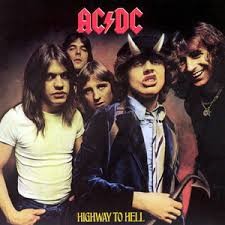
Highway to Hell is the album that broke AC/DC globally. Released in 1979 and produced by Robert John “Mutt” Lange, it represented a significant step forward in production quality and commercial appeal. The title track became one of rock’s defining anthems — its riff instantly recognisable, its chorus impossible to resist. AC/DC retained every ounce of their raw energy while adding a new accessibility that brought in millions of new listeners. Furthermore, Girls Got Rhythm demonstrated their ability to craft a radio-ready track without sacrificing grit. Touch Too Much pushed into almost melodic territory, revealing greater range than critics had credited them with. Tragically, it was Bon Scott’s final album — he died in February 1980, just months after its release. Consequently, Highway to Hell carries a bittersweet weight that deepens its impact. It is simultaneously AC/DC’s greatest triumph with Bon Scott and their farewell to him.
- Best Riffs: Highway to Hell, Girls Got Rhythm
- Fun Fact: Producer Mutt Lange pushed AC/DC toward a more polished sound — a move that paid off with their biggest-selling album to that point.
The Brian Johnson Era (1980–Present)
Back in Black (1980)
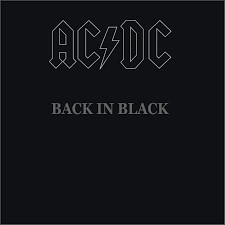
Back in Black is one of the most extraordinary achievements in rock history. Released in July 1980, just months after Bon Scott’s death, AC/DC somehow channelled grief into creative brilliance. Brian Johnson stepped into an impossible position and delivered a vocal performance for the ages. The opening bell toll of Hells Bells set a sombre, powerful tone before the album erupted into life. Furthermore, the title track’s opening riff remains the most recognisable in rock music. You Shook Me All Night Long demonstrated that AC/DC could write a genuine pop-rock crossover without compromising their identity. Additionally, Rock and Roll Ain’t Noise Pollution acted as a proud, defiant manifesto. Producer Mutt Lange gave the record an enormous, crystalline sound that still holds up today. With over 50 million copies sold, Back in Black stands as AC/DC’s masterpiece — an album that functions simultaneously as a tribute, a rebirth, and a monument.
- Best Riffs: Back in Black, You Shook Me All Night Long, Hells Bells
- Fun Fact: The album’s black cover was chosen as a mark of respect for Bon Scott.
For Those About to Rock We Salute You (1981)
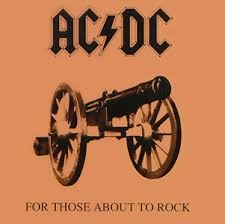
For Those About to Rock We Salute You carried an enormous burden — following up Back in Black. Released in 1981, it became AC/DC’s first album to reach number one in the United States. The title track is a colossal piece of hard rock theatre, complete with cannon fire that became a signature of the band’s live show. AC/DC demonstrated here that they could think on a grand, almost cinematic scale. Moreover, Let’s Get It Up delivered an infectious, hard-driving single that performed well on radio. The album sustained the production quality of Back in Black, with Mutt Lange once again behind the desk. However, some critics felt it didn’t quite match its predecessor’s consistency. Nevertheless, several tracks — particularly Inject the Venom — showed genuine muscle. It is ultimately a strong record that might have been considered a classic had it followed any other album in the AC/DC catalogue.
- Best Riffs: For Those About to Rock, Let’s Get It Up
- Fun Fact: Real cannons are fired during live performances of the title track.
Flick of the Switch (1983)
Flick of the Switch arrived in 1983 as a deliberate course correction. After two heavily produced albums, AC/DC stripped things back — recording live in the studio with minimal overdubs. The result was raw, aggressive, and deliberately unpolished. AC/DC took back creative control by producing the album themselves for the first time. Furthermore, Nervous Shakedown gave the band a competent single, and Guns for Hire delivered straightforward, no-nonsense rock energy. The album’s production ethos was admirable, though some felt the sonic roughness worked against them commercially. Consequently, it performed below the standard of its predecessors on the charts. Nevertheless, fans who value authenticity over polish find much to appreciate here. The performances are tight and committed throughout. Moreover, it serves as an honest document of where AC/DC stood artistically in the early 1980s — a band determined to stay true to their roots even as contemporaries chased trends.
- Best Riffs: Nervous Shakedown, Guns for Hire
- Fun Fact: This was the first AC/DC album entirely self-produced by the band.
Fly on the Wall (1985)
Fly on the Wall remains one of the more divisive entries in the AC/DC catalogue. Released in 1985, it continued the self-produced approach from Flick of the Switch but pushed further into experimental vocal production. Brian Johnson’s voice was processed in ways that didn’t suit the band’s strengths, leaving some tracks sounding cluttered rather than powerful. AC/DC still delivered moments of genuine quality — Sink the Pink had an irresistible groove, and Stand Up brought the necessary energy. However, the production choices undermined the album’s overall impact. Additionally, the accompanying music videos were widely mocked, doing the record no favours commercially. Despite these criticisms, AC/DC’s core riffing remained sharp throughout. The album sold respectably but failed to match earlier highs. In retrospect, it is best understood as an experiment — not wholly successful, but an honest attempt to evolve. Every great band has records that represent searching rather than finding, and Fly on the Wall is that record for AC/DC.
- Best Riffs: Sink the Pink, Stand Up
- Fun Fact: The band’s music videos for this album were later parodied for their low-budget aesthetic.
Blow Up Your Video (1988)
Blow Up Your Video marked a welcome return to form for AC/DC. Released in 1988 and co-produced by Harry Vanda and George Young — the team behind the early classics — the album recaptured something the self-produced records had lost. The production was warmer and more natural, giving AC/DC’s sound room to breathe again. Heatseeker became their biggest UK single in years, its driving riff and anthemic chorus connecting immediately with audiences. Furthermore, That’s the Way I Wanna Rock ‘n’ Roll delivered exactly what its title promised — pure, unapologetic rock energy. Additionally, the album felt cohesive in a way the previous two hadn’t. Brian Johnson sounded revitalised throughout, delivering some of his strongest work since Back in Black. The reunion with Vanda and Young proved the right creative decision. Consequently, Blow Up Your Video restored confidence — both the band’s and the public’s — heading into the decade that would produce The Razors Edge.
- Best Riffs: Heatseeker, That’s the Way I Wanna Rock ‘n’ Roll
- Fun Fact: The reunion with producers Harry Vanda and George Young was considered a homecoming for the band.
The Razors Edge (1990)
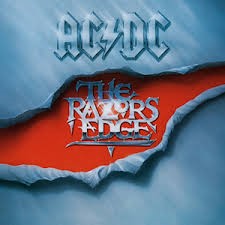
The Razors Edge represents AC/DC’s second great commercial resurgence. Released in 1990 and produced by Bruce Fairbairn, the album announced itself immediately with Thunderstruck — a track that has since become one of the band’s most iconic. AC/DC opened with an electric guitar intro so immediately arresting that it practically demands attention. The song’s build, its escalating riff, and Brian Johnson’s savage delivery made it an instant classic. Furthermore, Moneytalks provided a chart-friendly yet uncompromising single. The album as a whole was polished without feeling sanitised, balancing commercial accessibility with genuine rock muscle. Additionally, Are You Ready and Rock Your Heart Out kept the energy high throughout. The Razors Edge reached the top five in multiple countries and restored AC/DC to genuine superstar status after the mid-decade struggles. It proved, conclusively, that AC/DC could still compete at rock’s highest level. A thunderous, essential record.
- Best Riffs: Thunderstruck, Moneytalks
- Fun Fact: Thunderstruck was the first song recorded for the album and became one of AC/DC’s most streamed songs globally.
Ballbreaker (1995)
Ballbreaker brought two major developments for AC/DC. Released in 1995, it marked the return of original drummer Phil Rudd, whose metronomic, groove-focused playing had been absent since 1983. Additionally, it featured production from Rick Rubin — known for stripping artists back to their core strengths. That philosophy suited AC/DC perfectly. The result was a lean, punchy record that felt genuine and unforced. Hard as a Rock delivered a confident, swaggering lead single that showed the band’s commercial instincts remained sharp. Furthermore, Cover You in Oil and Boogie Man demonstrated that AC/DC could still generate heat and momentum across an album’s runtime. The reunion with Phil Rudd proved transformative — his drumming gave the record a deep groove that the previous two albums had lacked. Moreover, Rubin’s production philosophy aligned seamlessly with what AC/DC did naturally. Ballbreaker is a satisfying, no-frills rock record that holds its own in the band’s long career.
- Best Riffs: Hard as a Rock, Cover You in Oil
- Fun Fact: Rick Rubin reportedly told the band to simply “play like AC/DC” — which turned out to be all the direction they needed.
Stiff Upper Lip (2000)
Stiff Upper Lip arrived in 2000 as AC/DC’s most blues-forward album in years. George Young produced it, reuniting the band with a trusted creative partner, and the results were warm and rootsy. AC/DC took a deliberate step back toward their original influences — Chuck Berry, Muddy Waters, the early British blues boom. The title track laid this intention bare immediately, its slow-burning groove inviting rather than demanding. Furthermore, Safe in New York City became a fan favourite for its playful energy and satisfying rhythm work. The album didn’t chase commercial trends or attempt to replicate the enormity of The Razors Edge. Instead, AC/DC simply played to their strengths with confidence and clarity. Additionally, the production allowed Malcolm Young’s rhythm guitar to sit prominently in the mix — a wise decision. While it didn’t produce a Thunderstruck-level moment, Stiff Upper Lip is a deeply enjoyable, honest record that rewards patient listening.
- Best Riffs: Stiff Upper Lip, Safe in New York City
- Fun Fact: The album was recorded in Vancouver and was notable for its deliberately retro production approach.
Black Ice (2008)
Black Ice proved, after an eight-year silence, that AC/DC still had enormous creative and commercial power. Released in 2008 — their first studio album since Stiff Upper Lip — it debuted at number one in twenty-nine countries. AC/DC had lost none of their instinct for a great riff or a memorable hook. Rock ‘n’ Roll Train opened the album with a churning, confident groove that announced the band’s return without apology. Furthermore, Anything Goes and Wheels demonstrated the band’s range within their established sound. The album ran to fifteen tracks — longer than most AC/DC records — and while not every moment was essential, the overall quality was remarkably high. Additionally, the accompanying world tour became one of the highest-grossing in music history. Black Ice reminded a new generation why AC/DC mattered. It was a commercial triumph, a creative statement, and definitive proof that decades of rock and roll had done nothing to diminish their power.
- Best Riffs: Rock ‘n’ Roll Train, Anything Goes
- Fun Fact: Black Ice was exclusively sold through Walmart in North America upon its initial release.
Rock or Bust (2014)
Rock or Bust arrived under difficult circumstances. Released in 2014, it was the first AC/DC album without Malcolm Young, who had stepped back due to dementia. Additionally, rhythm guitarist Stevie Young — Malcolm’s nephew — stepped in to fill the role with respectful competence. AC/DC also lost long-serving drummer Phil Rudd to legal troubles shortly after release. Despite these challenges, the album delivered a punchy, focused set of tracks that refused to wallow in adversity. Play Ball provided a driving opener, while the title track Rock or Bust captured the band’s defiant attitude perfectly. Furthermore, Brian Johnson sounded energised throughout, his voice holding strong. The production, handled by Brendan O’Brien, gave the record a clean, powerful sound. At eleven tracks, it was their shortest album, but that brevity worked in its favour. Rock or Bust was an act of resilience — AC/DC refusing to surrender even as the world around them shifted dramatically.
- Best Riffs: Rock or Bust, Play Ball
- Fun Fact: It is the shortest AC/DC studio album, running just under 35 minutes.
Power Up (2020)
Power Up is AC/DC’s love letter to Malcolm Young and their own extraordinary legacy. Released in November 2020, the album reunited the classic line-up — Brian Johnson, Phil Rudd, Cliff Williams, and Angus Young — for the first time since Black Ice. AC/DC dedicated the record entirely to Malcolm, whose rhythm guitar parts and song ideas formed the foundation of much of the material. Realize opened the album with a purposeful, grinding riff that immediately signalled a return to form. Furthermore, Witch’s Spell and Shot in the Dark — the lead single — demonstrated that AC/DC’s song writing instincts remained sharply intact. The album debuted at number one in numerous countries, proving the band’s global fanbase had not diminished. Additionally, Power Up earned widespread critical praise for its unashamed commitment to what AC/DC has always done best. It is a warm, powerful, and deeply human record — one that transforms personal loss into collective celebration.
- Best Riffs: Shot in the Dark, Realize
- Fun Fact: Many of the album’s riffs were drawn from ideas Malcolm Young had saved before his passing.
The Verdict: Top 5 AC/DC Albums Ranked
| Rank | Album | Era | Why It’s Essential |
|---|---|---|---|
| 1 | Back in Black (1980) | Brian Johnson | The masterpiece. Over 50 million copies sold. |
| 2 | Highway to Hell (1979) | Bon Scott | Their breakthrough and Bon’s finest hour. |
| 3 | Let There Be Rock (1977) | Bon Scott | Raw, primal, and electrifying. |
| 4 | The Razors Edge (1990) | Brian Johnson | Home of Thunderstruck. A second golden era. |
| 5 | Powerage (1978) | Bon Scott | The underrated gem every serious fan must hear. |
Final Thoughts
AC/DC have done something genuinely remarkable. Across five decades and seventeen studio albums, they have never chased trends, never compromised their identity, and never stopped believing in the power of a great riff. They have outlasted virtually every band that emerged alongside them in the 1970s. They have survived the loss of two irreplaceable members — Bon Scott and Malcolm Young — and continued making music that their fans greet with genuine excitement. Whether you start with the primal fury of Let There Be Rock, the global spectacle of Back in Black, or the emotional warmth of Power Up, you are entering a catalogue built on honesty, consistency, and an unshakeable commitment to rock and roll. AC/DC didn’t just shape hard rock — they defined it. And if their 2020 return proved anything, they aren’t finished yet.