
Bruce Springsteen stands as one of rock music’s most enduring voices. Across decades, Bruce Springsteen has shaped American storytelling through music that blends heartland rock, folk, and soul. This guide explores every Bruce Springsteen studio album in chronological order, offering clear insights for fans and newcomers alike.
Key Questions About Bruce Springsteen
Is Bruce Springsteen touring in 2026?
Yes, Bruce Springsteen continues to tour in 2026 with The E Street Band. The current Land of Hope and Dreams Tour has drawn strong crowds across the United States. Fans continue to respond to Bruce Springsteen’s energetic live shows and timeless catalogue.
What was Bruce Springsteen’s first album?
Bruce Springsteen released Greetings from Asbury Park, N.J. (1973) as his debut. The album introduced Bruce Springsteen’s lyrical style and street-level storytelling. It also set the foundation for his long career.
How many albums does Bruce Springsteen have?
As of 2026, Bruce Springsteen has released 21 studio albums. In addition, Bruce Springsteen has issued many live albums and compilations, including large archival collections.
What is Bruce Springsteen’s most famous song?
Several tracks define Bruce Springsteen’s legacy. However, “Born to Run,” “Dancing in the Dark,” and “Born in the U.S.A.” remain his most recognised songs. These tracks still dominate streaming and radio playlists.
Album Reviews
Greetings from Asbury Park, N.J. (1973)
Bruce Springsteen launched his career with a raw and energetic debut. The album blends folk, rock, and jazz influences with sharp storytelling. Bruce Springsteen introduces characters shaped by street life and ambition. Moreover, the lyrics feel dense and expressive, which sets him apart early. Songs move quickly, yet each carries strong narrative detail. As a result, listeners gain a clear sense of Bruce Springsteen’s creative identity. While the album saw modest commercial success, critics praised its originality. Over time, it gained recognition as a key starting point. Bruce Springsteen builds his foundation here, mixing poetic lyrics with energetic delivery. Therefore, this debut remains essential for understanding his evolution.
The Wild, the Innocent & the E Street Shuffle (1973)
Bruce Springsteen expanded his sound with a more cohesive second album. The music leans into rhythm and blues influences, creating a fuller band dynamic. Bruce Springsteen focuses on youthful freedom and escape throughout the record. Additionally, longer song structures allow deeper storytelling. Tracks flow with a loose, live feel, which strengthens the album’s identity. Although initial sales remained low, critical appreciation grew steadily. Over time, fans recognised its ambition and warmth. Bruce Springsteen refined his voice here, both musically and lyrically. Consequently, this album stands as an early highlight in his catalogue.
Born to Run (1975)
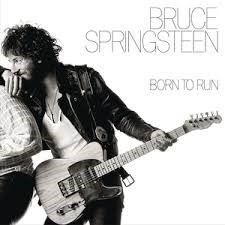
Bruce Springsteen achieved a breakthrough with this landmark release. The album delivers a bigger sound with layered production and strong hooks. Bruce Springsteen captures themes of escape, hope, and restless ambition. Furthermore, each track builds emotional momentum from start to finish. Critics responded with strong praise, and sales followed quickly. As a result, Bruce Springsteen became a global name. The album remains a defining moment in rock history. Therefore, it continues to attract new listeners decades later.
Darkness on the Edge of Town (1978)
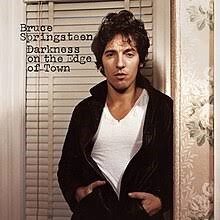
Bruce Springsteen returned with a darker and more focused album. The songs explore hardship, resilience, and personal struggle. Bruce Springsteen strips back excess and sharpens his songwriting. Moreover, the tone feels grounded and direct throughout. Each track reflects real-life challenges faced by working-class characters. Consequently, the album earned strong critical respect. Bruce Springsteen proved his depth and consistency with this release. It remains one of his most respected works.
The River (1980)
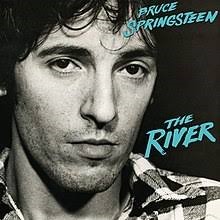
Bruce Springsteen balanced energy and reflection across this double album. The record mixes upbeat rock tracks with slower, emotional songs. Bruce Springsteen explores love, work, and responsibility. In addition, the variety keeps the album engaging across its length. Commercial success followed quickly, boosting his global profile. Therefore, Bruce Springsteen reached a wider audience. The album remains a key part of his legacy.
Nebraska (1982)
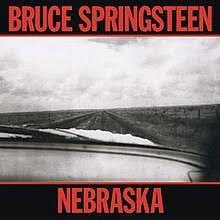
Bruce Springsteen shifted direction with this stripped-down acoustic album. The songs present stark stories of isolation and desperation. Bruce Springsteen records with minimal production, creating a raw sound. As a result, the album feels intimate and direct. Critics praised its honesty and bold approach. Moreover, Bruce Springsteen showed creative risk-taking here. This album stands as one of his most unique releases.
Born in the U.S.A. (1984)
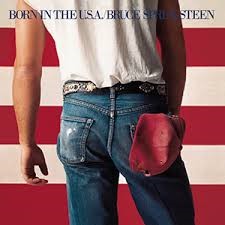
Bruce Springsteen reached peak commercial success with this album. The sound blends rock energy with strong pop appeal. Bruce Springsteen addresses American identity and social issues. Meanwhile, the music remains accessible and direct. The album produced multiple hit singles and global recognition. Consequently, Bruce Springsteen became a major cultural figure. This release remains one of his most popular works.
Tunnel of Love (1987)
Bruce Springsteen explored personal relationships on this introspective album. The songs focus on love, doubt, and emotional change. Bruce Springsteen uses a more controlled and reflective tone. Additionally, the production feels polished and deliberate. Critics appreciated the shift in focus. Therefore, the album added depth to his catalogue.
Human Touch (1992)
Bruce Springsteen returned with a polished and radio-friendly sound. The album reflects themes of connection and personal growth. Bruce Springsteen experiments with a different band setup. As a result, the tone feels distinct from earlier work. Reception remained mixed, yet the album found an audience. It remains an interesting phase in his career.
Lucky Town (1992)
Bruce Springsteen released this album alongside Human Touch. The songs feel more direct and energetic. Bruce Springsteen focuses on optimism and renewal. Moreover, the writing feels concise and focused. Critics responded more positively compared to its companion release. Therefore, it holds a stronger reputation.
The Ghost of Tom Joad (1995)
Bruce Springsteen returned to acoustic storytelling with this album. The songs explore social justice and economic hardship. Bruce Springsteen draws inspiration from American history. Consequently, the tone feels serious and reflective. Critics praised its lyrical strength and focus. This album reinforces his storytelling ability.
The Rising (2002)
Bruce Springsteen addressed national tragedy with this powerful album. The songs respond to the events of 9/11. Bruce Springsteen balances grief with hope and resilience. Moreover, the production feels modern and expansive. Critics and fans responded strongly. Therefore, the album marked a major comeback.
Devils & Dust (2005)
Bruce Springsteen continued acoustic storytelling with a darker tone. The album explores conflict, morality, and human struggle. Bruce Springsteen blends quiet moments with subtle instrumentation. As a result, the atmosphere feels tense and reflective. Critics noted its depth and focus.
We Shall Overcome: The Seeger Sessions (2006)
Bruce Springsteen celebrated folk traditions with this lively album. The songs draw from traditional American music. Bruce Springsteen uses a full band to create an upbeat sound. Consequently, the album feels energetic and communal. It stands apart from his typical releases.
Magic (2007)
Bruce Springsteen returned to a full band rock sound. The album addresses political and social themes. Bruce Springsteen combines sharp lyrics with strong melodies. Moreover, the production feels tight and modern. Critics praised its urgency and relevance.
Working on a Dream (2009)
Bruce Springsteen delivered a more optimistic and reflective album. The songs explore hope and imagination. Bruce Springsteen experiments with varied styles. As a result, the album feels diverse. Reception remained mixed, yet it added variety to his catalogue.
Wrecking Ball (2012)
Bruce Springsteen responded to economic struggles with this bold album. The songs reflect anger, resilience, and unity. Bruce Springsteen blends rock with modern influences. Consequently, the sound feels fresh and urgent. Critics praised its energy and message.
High Hopes (2014)
Bruce Springsteen revisited older material with new arrangements. The album mixes covers and reworked songs. Bruce Springsteen experiments with different styles and tones. As a result, the album feels varied. It offers insight into his creative process.
Western Stars (2019)
Bruce Springsteen explored orchestral and cinematic sounds. The album reflects themes of ageing and reflection. Bruce Springsteen creates a calm and structured atmosphere. Moreover, the storytelling remains strong. Critics praised its ambition and style.
Letter to You (2020)
Bruce Springsteen reunited with the E Street Band for this album. The songs focus on memory, loss, and friendship. Bruce Springsteen delivers a direct and emotional performance. Consequently, the album feels personal and honest. It received strong critical support.
Only the Strong Survive (2022)
Bruce Springsteen paid tribute to classic soul music with this album. The songs feature covers of well-known tracks. Bruce Springsteen focuses on vocal performance and interpretation. As a result, the album feels celebratory. It highlights his musical influences clearly.
Bruce Springsteen has built one of the most consistent and influential catalogues in music history. From early storytelling to global success, Bruce Springsteen continues to evolve while staying authentic. This complete album review shows why Bruce Springsteen remains essential listening for every generation.